Accommodation and Experiences in Cape Town, Western Cape
Cape Town offers a rich mix of accommodation styles, from intimate bed & breakfasts in leafy neighbourhoods to stylish boutique hotels along the Atlantic coast. When planning a stay, consider your preferred pace, accessibility, and the type of experiences you want to weave into each day. The city’s diverse districts each have their own character, making Cape Town a place where you can base yourself to explore historic sites, coastal scenery, and culinary delights.
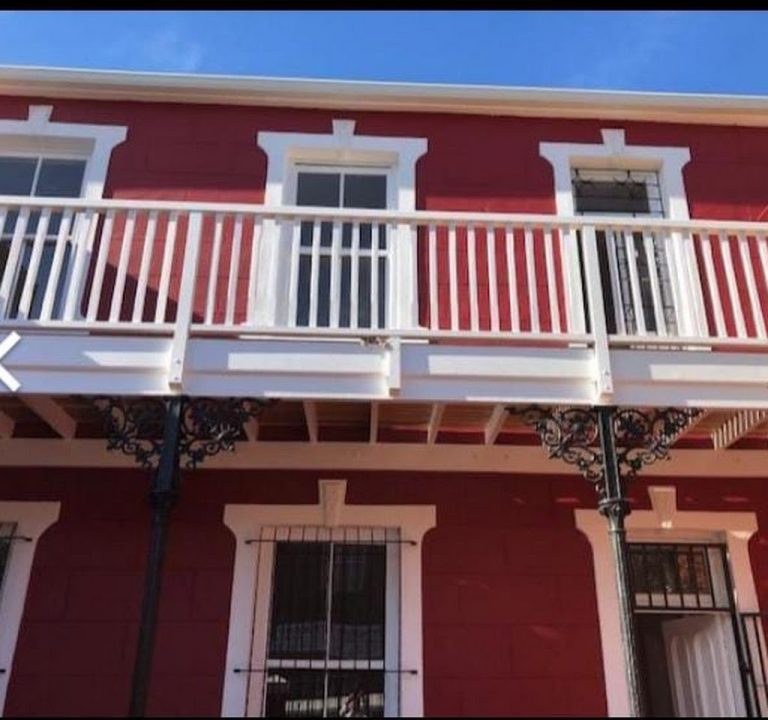
For a comfortable stay, look for options that clearly state your priorities: proximity to sights, ease of access to public transport, or a peaceful retreat after busy days of sightseeing. In a B&B such as Woodstock Lodge, you might enjoy a personalised touch, home-cooked breakfasts, and local knowledge from hosts. When booking, confirm essentials such as secure parking if you’ll be driving, reliable wifi for planning your days, and flexible check-in arrangements. It’s also worth checking policies on breakfast service, housekeeping frequency, and whether rooms have en-suite facilities or shared bathrooms.
Areas to consider
- City Centre and the Inner City: A convenient base for museums, markets, and hill views. short walks or quick rides can connect you to major sights.
- V&A Waterfront and De Waterkant: A hub of dining and entertainment with harbour sunsets and easy access to ferry trips.
- Atlantic Seaboard (Sea Point, Bantry Bay, Camps Bay): Striking ocean vistas, coastal walks, and a more relaxed pace, with options ranging from modern apartments to elegant guesthouses.
- Green Point and Gardens: Quieter streets, leafy ambience, and proximity to parks, markets, cafés, and cultural venues.
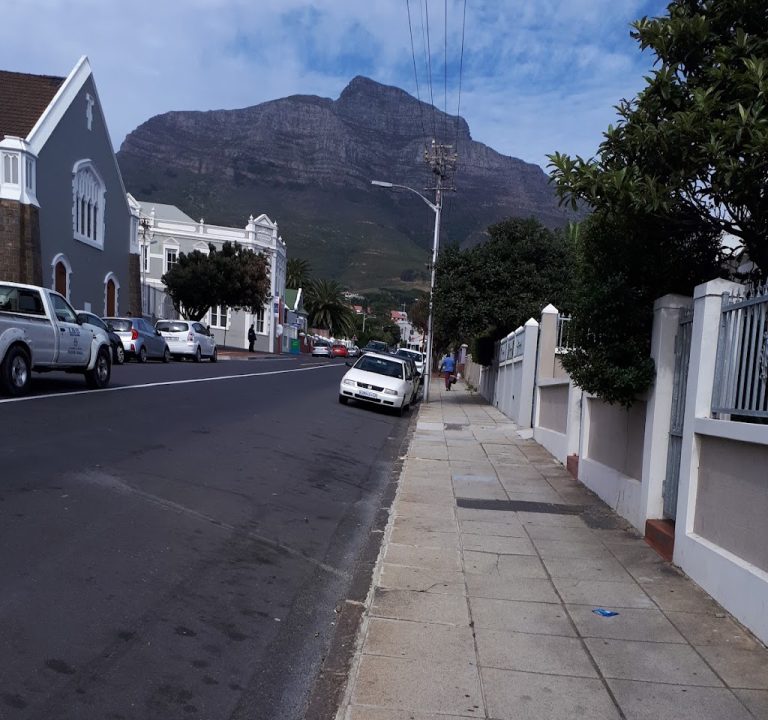
- Woodstock and Observatory: Trendy neighbourhoods known for creative spaces, boutique stays, and a gateway to the surrounding Constantia wine route.
What to look for when booking
- Location relative to your planned days: Decide whether you want to be near the sea, coastal walks, or city sights, and choose a base that reduces daily travel time.
- Room setup and privacy: En-suite bathrooms, sound insulation, and the option of a private entrance can improve comfort, especially in busy tourist periods.
- Amenities: Consider breakfast options, secure parking, air conditioning or heating, toiletries, and laundry facilities. A guest lounge or outdoor space can add to your stay.
- Transport connections: Proximity to MyCiTi bus routes, train stations, or shuttle services makes day trips easier without relying solely on car hire.
- Host interaction: If you value local tips, a person-led welcome and hospitality can enhance your experience; if you prefer independence, look for self-catering options.
Typical amenities in Cape Town stays
- Breakfast offerings ranging from continental to full hot breakfasts, with flexibility for dietary needs.
- En-suite or private bathrooms with essential toiletries and fresh towels.
- Free or paid Wi‑Fi, room safes, and comfortable workspaces for travellers who need to handle occasional tasks.
- Outdoor spaces such as terraces, courtyards, or rooftops with views of Table Mountain or the harbour.
- Parking options, either on-site or secure nearby facilities.
Transport and getting around
Cape Town’s geography means some days benefit from a car, while others are perfectly manageable by public transport or ride-hailing apps. If you plan long day trips to the Cape winelands, Cape Point, or coastal walks, a car gives you flexibility. Within the city, many areas are walkable, and well-positioned guesthouses offer easy access to bus routes and taxi services. For coastal days, consider a taxi or rideshare late in the day if you’re returning after sunset.
Best time to visit
- Peak season (December to February) brings longer days, busy attractions, and vibrant street life. Book well in advance for popular areas and sea-facing stays.
- Shoulder seasons (March to May, September to November) offer milder weather and fewer crowds, often with good value for accommodation.
- Winter (June to August) brings cooler weather and occasional rain, but the city’s indoor attractions, markets, and dining scene remain lively.
Practical tips
- Plan your days around sunrise and sunset hours for the best light on coastal walks and mountain views.
- Pack layers for variable weather; coastal evenings can be cooler than daytime forecasts.
- Check cancellation policies carefully, particularly if you’re travelling in peak season or during uncertain travel periods.
- Verify the accessibility of attractions you wish to visit, as some venues have limited hours or seasonal closures.
- Use official tourism resources to identify safe, reputable areas and recommended dining options.
Attractions and dining in general terms
Cape Town’s magnetism lies in its natural wonders and vibrant culture. You can combine visits to iconic viewpoints with experiences that celebrate local craft markets, contemporary art, and seafood dining by the harbour. While exact restaurant names and prices vary, you’ll find a spectrum from casual eateries serving fresh seafood and regional favourites to refined dining rooms that showcase modern South African flavours. For a day’s plan, think culinary discovery alongside a scenic walk along the coast or a cable car ascent for panoramic city vistas.
If you’re seeking practical ideas and inspiration, reputable tourism guides and official city pages offer practical itineraries, seasonal highlights, and tips for seasonal events. For accommodation, pages and reviews from trusted platforms can help you compare Woodstock lodges, guesthouses, and boutique stays that match your needs, ensuring a pleasant, well-situated base for exploring Cape Town’s rich mix of attractions, restaurants, and experiences.