Accommodation and Attractions in Cape Town: Planning a Memorable Stay
Cape Town offers a diverse tapestry of places to stay, from intimate B&Bs and characterful guesthouses to stylish hotels with sea views. When planning a visit, it helps to think about what you want from your base: convenience for major sights, a neighbourhood with a particular atmosphere, or easy access to beaches, winelands and hillside trails. Below is a practical guide to choosing accommodation, what to expect in terms of amenities, and how to make the most of your time in this striking part of the Western Cape.
Areas to consider for your stay
- City Centre and the Victoria & Alfred Waterfront: central for sightseeing, easy access to museums, markets, and restaurants, with a mix of boutique hotels and comfortable guesthouses.
- Green Point and the Atlantic Seaboard: close to the coast, with promenade walks, modern apartments and guesthouses, and superb Atlantic Ocean views.
- Labour- intensive areas like Woodstock and Observatory: up-and-coming neighbourhoods with characterful B&Bs, converted spaces, cafés, and creative culture, often offering good value.
- Camps Bay and Clifton: known for hillside homes and luxury stays, with dramatic scenery and close proximity to beaches (best for sun-seekers and romantics).
- Constantia and the southern outskirts: quieter, more spacious options near vineyards and green landscapes, ideal for longer, relaxed stays or families.
What to look for when booking
- Location relative to your planned activities. If you want to spend days on the V&A Waterfront or cruising the Peninsula, staying within easy reach of major routes and reliable transport is worth prioritising.
- Accessibility and spaces. If you travel with family or need space to work, look for rooms with separate seating or a small lounge, and check for parking options if you’ll be hiring a car.
- Amenities that matter to you. Common essentials include reliable Wi‑Fi, air conditioning or heating, en-suite bathrooms, a compact kitchenette or tea/coffee facilities, and a traditional breakfast option if you favour a slow start to the day.
- Noise and atmosphere. Some visitors prefer a tranquil residential street, while others enjoy a more lively area with cafés and nightspots nearby. Read guest reviews for a sense of what it feels like in peak times.
- Character versus modern convenience. A characterful B&B or guesthouse often combines period features with thoughtful touches, while contemporary hotels may focus on streamlined service and tech-friendly rooms.
Typical amenities you may encounter
- Private or shared bathrooms, depending on the property type and room category.
- Daily breakfast, sometimes with a continental or cooked option, served in a shared dining area or a veranda with views.
- Guest lounge areas, terraces, or small courtyards for relaxing between excursions.
- Free or paid parking, bike storage, and secure entry systems for peace of mind.
- Tour desk or concierge services to help arrange wine tours, nature walks, or guided city experiences.
Transport and getting around
Capable public transport is available via the MyCiTi bus network, which can be handy for short hops around the city centre and to the Atlantic coast. Many visitors prefer Uber or licensed taxi services for convenience, especially when returning after evening dining. If you plan to explore beyond the city—such as the Cape Peninsula, Constantia wine routes, or the Cape Winelands—you may wish to hire a car for at least part of your stay. When booking, check whether parking is included and whether there is on-site or secure street parking nearby.
Best time to visit and practical tips
Cape Town enjoys a temperate climate, but conditions can vary with the seasons. Late spring to early autumn (October to April) offers longer daylight hours and generally pleasant weather, ideal for outdoor activities and coastal walks. Winter (June to August) can be cooler and rainier, which is still a fine time to enjoy museums, indoor venues, and a cosy B&B experience. Pack layers, a lightweight rain jacket, and comfortable shoes for hills and waterfront promenades. Sunscreen and a hat are useful even on cooler days.
Practical tips to enhance your stay
- Book accommodation with clear cancellation terms and a trusted on-site host or staff who can offer local guidance.
- Ask about walkable routes to nearby restaurants and markets to maximise your time without relying heavily on transport.
- In high-season, consider staying slightly outside the busiest pockets to secure better value and a quieter ambience while still being well connected.
- Look for properties with breakfast options, flexible check-in arrangements, and a helpful travel desk for day trips to the winelands, Cape Point, and Cape Town’s natural attractions.
Attractions and experiences in general terms
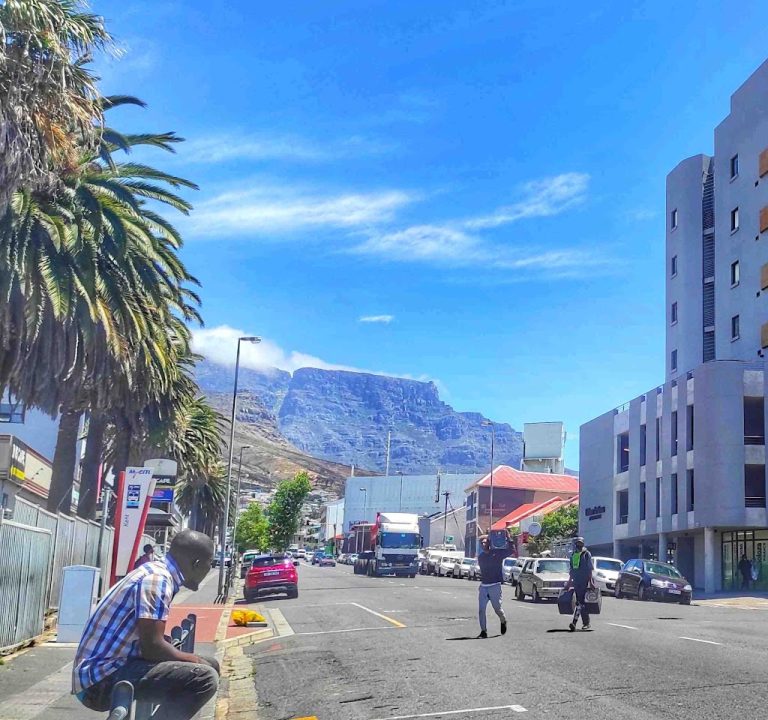
Cape Town is built around a striking natural landscape with a spectrum of experiences. Iconic viewpoints, coastal walks, and historic neighbourhoods sit alongside markets, contemporary galleries, and a thriving dining scene. Visitors commonly combine a scenic drive along the coastal routes with a morning spent exploring city landmarks, followed by an afternoon visit to the harbour or a nearby wine estate. For dining, many guests enjoy a mix of casual eateries and more refined restaurants, subject to availability and seasonal menus. Those seeking guided experiences can consider day trips or small-group tours that cover wildlife encounters, nature reserves, and the Cape’s famed vineyards. For further inspiration and practical planning, consult official tourism resources and regional travel guides before you travel.
If you are seeking a friendly, authentic stay with a strong sense of place, a well-situated bed & breakfast can offer a superb balance of personal hospitality and local character. A well-chosen Woodstock Charmer‑type option can provide a cosy base with easy access to the city’s creative districts, scenic outlooks, and versatile dining experiences. For more ideas and practical planning, you can explore trusted travel resources and local tourism websites for Cape Town and the Western Cape. Cape Town Tourism and Cape Town Magazine are useful starting points for itineraries and area information.