Cape Town: Accommodation, attractions, and planning your stay
Cape Town offers a varied tapestry of places to stay, from intimate guest houses and B&Bs to stylish hotels and family-run lodges. When planning a visit, consider the neighbourhoods that suit your priorities—scenic views, easy access to the outdoors, or proximity to business and dining scenes. A well-chosen base can cut transit time and lift the overall experience, especially if you intend to explore both the city and the surrounding Winelands or coastal routes.
For a stay centred on personal service and a homely feel, a Bed & Breakfast such as Neo Guest House can provide a warm welcome, commonly with included breakfast and a compact footprint that helps you feel at home quickly. Booking through reputable platforms or direct website pages can reveal useful details about room configurations, on-site parking, self-catering options, and accessibility. Look for hosts who offer local insight, flexible check-in arrangements, and clear policies on cancellations in case plans change.
When comparing accommodation, several features are worth prioritising. Location is the obvious factor, but consider the following practical aspects: easy access to public transport or reliable parking; quiet rooms for rest after long days of sightseeing; en-suite bathrooms; ample storage for gear like hiking shoes or beach gear; and facilities such as a safe, reliable wifi, and a well-equipped kitchenette or tea-and-coffee provisions. If you are travelling with family or a group, check for room configurations that naturally separate sleeping spaces, or availability of a private courtyard or lounge for socialising after a day out.
- City Centre and the V&A Waterfront: convenient for museums, city walks, and dining options; good for travellers who want to minimise driving.
- Atlantic Seaboard (including Camps Bay and Clifton): renowned for beaches and sunsets; higher-end stays may be preferred for sea views and outdoor access.
- Green Point and Bo-Kaap: close to parks, city life, and cultural spots; a balanced choice for cuisines and walks in historic streets.
- Constantia Valley and the Winelands: ideal for wine lovers and nature-friendly stays, often with more spacious rooms and tranquil surroundings.
Transport in Cape Town is varied. The city’s MyCiTi bus network offers a straightforward way to reach many tourist hotspots, while Uber and other ride-hailing services provide flexible, door-to-door travel. If you plan day trips to the Cape Peninsula or the winelands, a car gives you maximum freedom, though many guided tours also operate from central bases. If you enjoy walking, some areas are very pleasant on foot, but hilly terrain can be challenging in parts of the city—pack sensible footwear and a light rain jacket for changeable weather.
The best time to visit Cape Town depends on your priorities. The seaside and outdoor adventures shine in late spring to early autumn (roughly September to May), offering mild temperatures, flowering landscapes, and longer daylight hours. Summer can be lively with a buzzing dining and festival scene, though popular spots can be busy. Winter (June to August) brings cooler weather and Atlantic swells, ideal for those who enjoy dramatic coastal scenery and fewer crowds. Regardless of season, it is wise to book accommodation well in advance for peak periods and major events.
Practical planning tips can help smooth the journey. Confirm whether your lodging includes breakfast, parking, and 24-hour reception, particularly if you plan early morning activities or late arrivals. Check for information on security measures in the neighbourhood and the availability of in-room safes. If you have mobility considerations, inquire about elevator access or ground-floor rooms. For travellers seeking value, look for packages that include a guided neighbourhood walk, wine-tasting options, or easy access to popular viewpoints. If you are visiting with friends or family, ask about group-friendly spaces such as living rooms or terraces where you can gather comfortably after a day of exploration.
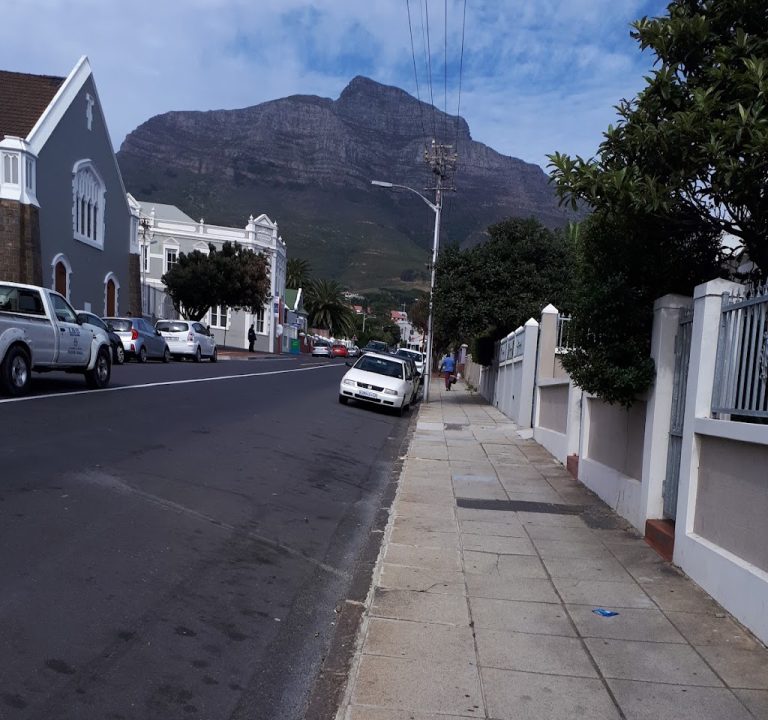
Cape Town is a gateway to a range of attractions and experiences that can shape your itinerary. Iconic viewpoints and nature walks reveal the city’s striking geography, from Table Mountain’s famous silhouette to rugged coastline routes. Cultural and heritage sites offer insight into South Africa’s history, while markets and districts provide opportunities to sample regional produce, crafts, and cuisine. Dining options span casual eateries and fine dining, with influences from local traditions and contemporary fusion trends. For a balanced visit, mix outdoor days with relaxed time in cafés, galleries, and waterfront promenades, leaving space to simply soak up the scenery and the city’s unique atmosphere.
In terms of planning a stay around Neo Guest House or similar accommodation, you can structure a practical three-to-four-night stay to acclimatise, followed by more time in a winelands day trip or coastal excursion. Keep a flexible approach to dining and activities to account for weather changes and the city’s dynamic energy. With thoughtful preparation, Cape Town can deliver a rich mix of natural beauty, cultural depth, and warm hospitality that makes your visit both easy to organise and deeply enjoyable.