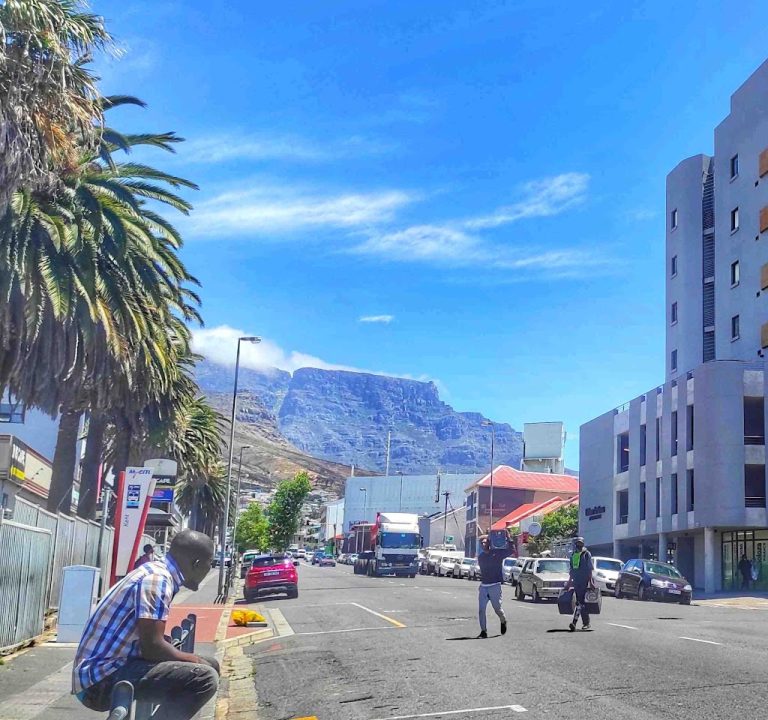
Cape Town: A Guide to Accommodation, Attractions, and Traveller-Friendly Experiences
With its dramatic coastline, iconic mountains, and a culture that blends history, cuisine and outdoor adventure, Cape Town offers a rich tapestry for travellers seeking a comfortable base and value-packed experiences. From stylish urban stays to family-friendly guesthouses and boutique hotels, the city’s neighbourhoods each offer a distinct flavour and practical access to sights, beaches and dining. Planning your stay around a few core areas can help maximise comfort, transport efficiency and time for exploring.
In the central City Bowl and near the V&A Waterfront, guests benefit from easy access to urban amenities, fine dining and cultural venues. These areas are ideal for travellers who prefer a compact, walkable base with strong connectivity to public transport and organised tours. The Atlantic Seaboard, including areas such as Bantry Bay, Clifton and Camps Bay, is characterised by seafront vistas, upmarket boutiques and a relaxed seaside atmosphere. For a wine-ward escape, Constantia and the nearby suburbs offer hillside estates, tranquil streets and family-friendly guesthouses. If you prefer a more local, vibrant scene with street markets and small cafés, the Bo-Kaap and De Waterkant precincts provide colourful streetscapes and convenient access to cafés, shops and views of Table Mountain.
Accommodation in Cape Town ranges from modern hotels with business facilities to intimate guesthouses and self-catering apartments. What to look for when booking depends on your priorities: proximity to sights, easy parking, breakfast options, or the possibility of a quiet, shaded room after days spent outdoors. Common amenities include air conditioning or ceiling fans for coastal heat, reliable Wi‑Fi, secure parking, a courtesy shuttle or easy access to public transport, and generous breakfast offerings. Many properties also emphasise sustainable practices, such as energy-efficient lighting, recycling schemes and water-saving measures, which can be a deciding factor for environmentally conscious travellers.
Transport is generally straightforward, though planning helps. The MyCiTi bus service provides dependable city routes, while Uber and local ride-hailing options are widely available. If you plan to explore the Cape Peninsula or winelands beyond the city, a hire car gives flexibility for day trips, including scenic routes along the coast or the drive to Cape Point. For travellers staying near the Waterfront, arranging a short stroll or a quick taxi ride to hop-on, hop-off bus tours can be convenient for panoramic introductions to the city and Table Mountain. Remember to confirm parking policies at your accommodation, especially if you are arriving by car and intend to drive to popular viewpoints with limited street parking.
Seasonality shapes both weather and crowds. The peak travel period runs from late spring to early autumn when dry, sunny days are common, perfect for outdoor activities and beach visits. Shoulder seasons can offer calmer streets, lower rates and pleasant temperatures for hiking, cape cruises and vineyard tours. The city’s climate is mild year-round, but coastal winds can be stronger on exposed beaches and Atlantic-facing areas; packing a light layer for evenings and a sunhat for daytime heat is wise.
When planning activities, consider a mix of nature, culture, and cuisine to balance outdoor adventures with leisurely days. Iconic natural experiences include hiking trails with mountain panoramas, scenic drives along the coast, and nature reserves where birds and small creatures can be observed. Cultural highlights often involve guided tours that explain Cape Malay heritage, the city’s maritime history, and the architectural influence of the colonial era. In terms of dining, Cape Town’s restaurant scene spans casual eateries and refined tasting menus, with an emphasis on seafood, fresh produce, and local wines. Rather than chasing specific venues, look for places with good reviews for consistency, warm service, and a neighbourhood atmosphere—many areas offer a handful of beloved neighbourhood bistros and cafés that showcase the city’s diverse flavours.
To help you plan a balanced stay, here are practical considerations and tips:
- Choose a home base based on your priorities: walkability and nightlife in the city centre, or quiet coastal settings with sea views and parking.
- Book accommodations with breakfast options or easy access to morning coffee and bakeries to start days well.
- Check room configurations and noise levels, especially if staying in busy areas or near markets and nightlife.
- Confirm parking arrangements or proximity to secure public parking if you’re renting a car.
- Ask hosts or hotel staff for current local advice on safe walking routes, day trips, and seasonal advisories.
- Plan a mix of outdoor activities in the mornings and more relaxed experiences in the afternoons, allowing for sea breezes and cooler evenings.
- Make time for a winery visit or a scenic drive along the Atlantic Seaboard to enjoy views and a slower pace outside the city core.
- Respect local customs and the natural environment—leave no trace on hikes and recycle where possible.
For inspiration and practical planning, consider visiting official tourism resources that offer maps, suggested itineraries and current event calendars. Cape Town’s wide range of accommodation, combined with its scenic beauty and rich cultural offerings, makes it possible to tailor a stay that feels both convenient and immersive. Whether you are drawn to architectural tours, coastal sunsets, or foodie experiences, Cape Town invites you to explore at a comfortable pace and create memorable moments.
Further information and official tourism guidance can be found at dedicated regional tourism sites and city information portals. For ideas, routes, and practical planning, you can explore reputable sources online to help shape a well-rounded itinerary.