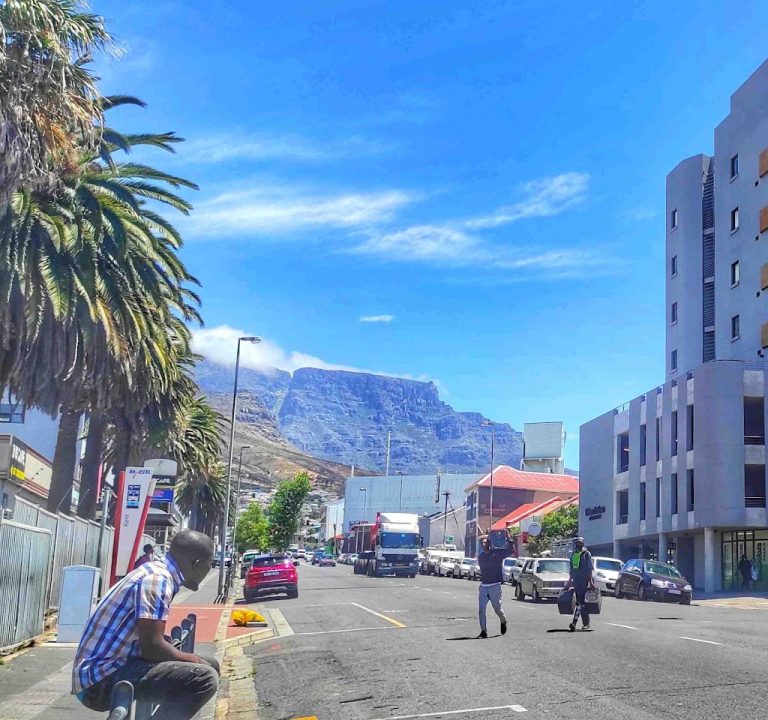
Cape Town: Accommodation and Attractions for a Memorable Stay
Cape Town blends dramatic natural scenery with vibrant neighbourhoods, making it a destination where comfortable accommodation and smart planning go hand in hand. When choosing a place to stay, consider the proximity to the city’s key sights, your preferred pace of life, and the kind of amenities that will help you settle in quickly after a day of exploring. Whether you seek a cosy lodge tucked into the hills, a stylish apartment with sea views, or a boutique guesthouse with personalised service, the Western Cape’s capital offers options to suit many tastes and budgets.
One example of a lodge-style option is Cape Palm Royal Guesthouse and Spa, which points to the possibilities within easy reach of central Cape Town while also offering a tranquil retreat. For travellers curious about a specific address, you can explore its official site to get a sense of room types, spa facilities, and nearby access to major routes and attractions: Cape Palm Royal Guesthouse and Spa.
Areas to consider when planning your stay:
- Atlantic Seaboard: Known for stunning coastline, easy access to beaches and the Waterfront, great for sunset views and fashionable dining.
- City Centre and the Gardens: Within walking distance to museums, markets and historic sites, ideal for first‑time visitors who want to be close to the action.
- Constantia and the Southern Suburbs: Quiet, leafy neighbourhoods with easy access to wine estates, hiking trails and spacious rooms in boutique lodges.
- De Waterkant and Green Point: Mix of eateries, nightlife and superb harbour views, convenient for public transport and major attractions.
When booking, look for typical amenities that will improve your stay: reliable Wi‑Fi, secure on-site parking, a well-equipped kitchenette or minibar, air conditioning or heating for changing Cape Town weather, a comfortable workspace if you’re combining travel with work, and flexible cancellation policies. Some lodges and guesthouses offer breakfast options, spa facilities, or guided activity bookings, which can simplify your itinerary and help you make the most of limited days in the region.
Transport and getting around are crucial to a smooth visit. Cape Town has a growing network of affordable public transport and ride‑hailing options. The MyCiTi bus system is useful for shorter hops within the city and along major corridors, while the Gautrain reaches nearby towns, and Uber or local ride‑hailing services provide door‑to‑door convenience. If you’re planning longer day trips, such as along the Atlantic coast or to nearby wine regions, confirm whether your accommodation offers shuttle services or can arrange trusted transfers.
Best time to visit Cape Town balances weather, crowds and budget. Spring (September to November) and autumn (March to May) are popular for generous daylight, milder temperatures, and fewer crowds than the peak summer period. Winter (June to August) tends to be cooler and wetter, but the city’s indoor attractions—museums, galleries and wine bars—remain inviting. Summer offers long days and a festive atmosphere but higher demand and prices, so booking well in advance is wise if you’re chasing popular lodges or guesthouses.
Accommodations in Cape Town typically provide a mix of features that suit different travellers. Expect well‑appointed en‑suite bedrooms, sometimes with private terraces or sea views, hot breakfast options, and guest lounges or communal kitchens. Many properties emphasise a personal touch—helpful host recommendations for restaurants, markets, and scenic routes can transform a standard stay into a memorable one. For families or groups, family rooms or suites with extra beds and ample storage space can ease planning, while business travellers may appreciate work desks, plug‑in amenities, and quiet corners for calls.
Exploring the city’s attractions and nearby experiences can be part of your stay’s rhythm without feeling rushed. Iconic viewpoints offer sweeping panoramas of the Atlantic and Table Mountain, while nature reserves and coastal paths invite gentle hikes or scenic drives. Within the city, you’ll find museums that illuminate the region’s history, markets where you can sample Cape Malay flavours and crafts, and long, breezy promenades ideal for morning jogs or evening strolls. For food lovers, Cape Town’s dining scene ranges from casual bistros and seafood shacks to modern kitchens that emphasise seasonal produce from coastal and inland produce farms; many venues also offer tasting menus or casual chef’s specials, always with an emphasis on flavour and hospitality rather than heavy formality.
Practical tips to help you book and enjoy your stay include planning ahead for popular periods, reading guest reviews for real‑world impressions of location and transport access, and confirming the specific inclusions of your booking—such as breakfast, parking, and access to spa facilities. Pack for changing conditions, especially if you’re visiting from late autumn through spring when coastal winds can sharpen quickly. Keep a flexible itinerary to allow for weather shifts, and build in a balance of indoor downtime and outdoor exploration to avoid fatigue. Above all, use your lodging as a base for discovery: a well‑situated guesthouse or lodge can save you travel time, facilitate easy day trips, and provide local insights that enrich your Cape Town experience.