Staying in Cape Town: accommodation ideas and planning tips for a memorable stay
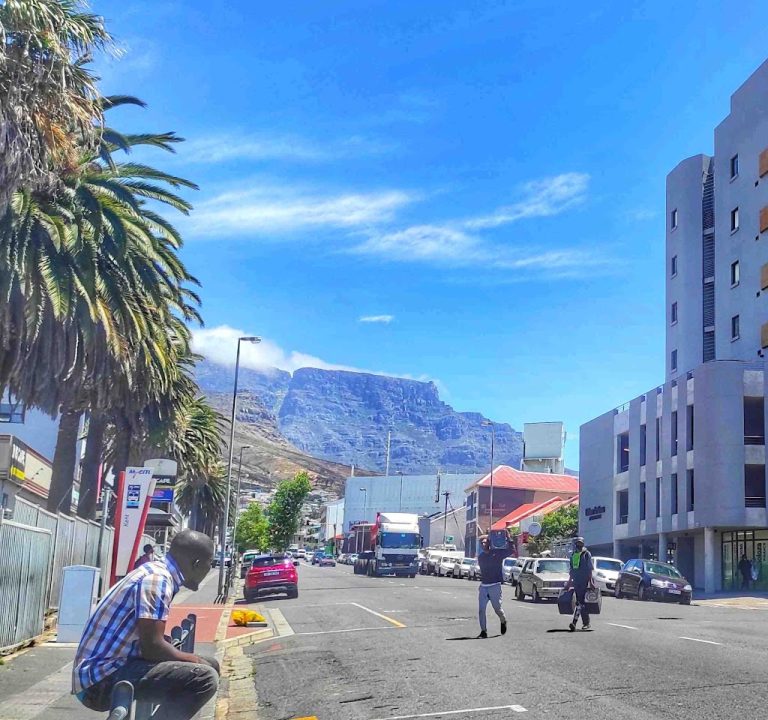
Cape Town offers a diverse mix of places to rest your head, from stylish city-centre hotels to laid‑back seaside guesthouses and characterful boutique stays. When planning a stay, it helps to think about what you want to gain from your trip: dramatic scenery, easy access to beaches, vibrant dining, or a focus on history and culture. The Western Cape’s city is compact enough to explore on foot or by public transport, yet it also serves as a gateway to nearby winelands and coastal routes.
Areas to consider
The City Bowl and Green Point are popular for visitors who want walkable streets, proximity to attractions, and a calendar of events. The interior of Cape Town, including areas such as Tamboerskloof and Oranjezicht, offers a quieter, more residential atmosphere with charming guesthouses and boutique hotels. For beach days and nightlife, Camps Bay and the Atlantic Seaboard provide upscale hotels and stylish stays with sea views. If you’re after contemporary design and a growing food scene, Woodstock and the Cape Town harbour precinct offer trendy options close to studios, markets, and harbour walks. For a deeper sense of local character, a stay in Bo-Kaap or the nearby neighbourhoods can be a wonderful base for exploring heritage sites and lantern-lit streets.
What to look for when booking
Consider the following when choosing accommodation in Cape Town:
- Proximity to the places you plan to visit and the availability of convenient transport links, such as MyCiTi buses, trains, or reliable ride-hailing options.
- Type of stay: boutique hotels offer personalised service and a sense of place, while self-catering apartments provide flexibility for families or longer trips.
- Room layout and privacy: en-suite bathrooms, separate bedrooms for families, and quiet corners are worth prioritising in busy city streets.
- Facilities and amenities: reliable Wi‑Fi, a good breakfast, secure parking, a pool or rooftop terrace, and access to on-site laundry can make a big difference.
- Safety and access: check reviews for safety features, well‑lit entrances, and the ease of access to main routes and exits at night.
- Cancellation policies and peak-season pricing: aim for flexible options during the shoulder seasons when the weather is pleasant and crowds are thinner.
Typical amenities and comfort
Many Cape Town accommodations offer a thoughtful blend of style and practicality. Expect options such as:
- Complimentary Wi‑Fi and streaming-ready TVs, with some rooms offering smart-curtains and climate control.
- En-suite bathrooms with quality fittings, and in some properties, separate baths or rain showers.
- Well-equipped kitchens or kitchenettes in self-catering units, making spontaneous meals or picnics easy.
- On-site dining options or curated breakfast routines featuring fresh, local ingredients.
- Public areas that invite relaxation, such as garden patios, pool decks, or cosy lounges with books and maps.
- Concierge-style services or guest hosts who can tailor recommendations for day trips and hidden gems.
Transport and getting around
Cape Town’s transport network is practical for most visitors. The MyCiTi bus system covers the central areas and major coastal suburbs, while Uber and other ride-hailing services are widely used for shorter hops or evening outings. If you plan scenic drives along Chapman’s Peak or the False Bay coast, renting a car can be convenient, though many attractions are accessible by guided tours or organised transport. For those staying near Table Mountain, aim to book a morning or late-afternoon slot for the peak experiences, avoiding the mid-day crowds when possible.
Best time to visit and practical tips
Cape Town is inviting year-round, but weather and crowds vary with the seasons. Summer (December to February) brings warm days and lively outdoor scenes, while autumn (March to May) offers cooler, milder days with fewer crowds. Winter (June to August) can be wet and windy, yet it’s a good time for lush scenery if you don’t mind cooler evenings. Spring (September to November) gifts vibrant flowers and comfortable temperatures. Practical tips include staying hydrated, using sunscreen even on cooler days, and reserving popular experiences and restaurant tables in advance during peak periods. Plans can adapt to the wind and seasonal conditions—often the best coastal days are in the late afternoon when sea breezes ease the heat.
Attractions and experiences to consider
While this piece does not list every specific venue, Cape Town offers a wealth of experiences that can be enjoyed in a phased itinerary. Expect a mix of natural wonders, historical sites, and a vibrant culinary scene. Iconic climbs and viewpoints are complemented by coastal drives, harbour walks, and markets that showcase local crafts. Cultural routes, museums, and galleries provide insight into the region’s diverse heritage. When planning days out, balance outdoor time with indoor or sheltered activities to stay comfortable, particularly in windy seasons.
Eating out and neighbourhood flavours
Across the city, you’ll find restaurants and eateries that celebrate fresh seafood, seasonal produce, and regional favourites. Look for places that emphasise local ingredients, offering menus that reflect Cape Town’s multicultural influences. Many neighbourhoods present casual cafés for breakfast or lunch, and a handful of refined dining rooms where wine lists highlight the Western Cape’s famed wines. Booking ahead is wise in peak periods, but you’ll often discover welcoming options for walk‑ins in less busy neighbourhoods.
Accommodation example: Locomotive Hotel
Among potential stays in Cape Town, boutique hotels with character or railway-themed interiors can provide a distinctive base for exploring the city and nearby sights. If you opt for a property with a strong sense of place, you’ll find thoughtful design details, comfortable rooms, and attentive service that help frame your city break as a calm retreat between day trips. Always check current reviews and guest notes to ensure the chosen option aligns with your preferences for location, pace, and on-site facilities. Cape Town Tourism offers practical guidance and broader ideas for planning a visit.