Johannesburg: where to stay, what to see, and how to plan a memorable visit
Johannesburg, or Jo’burg as it’s commonly known, is a city of contrasts with vibrant neighbourhoods, compelling history and a growing array of welcoming places to stay. When planning a visit, think of your stay as a base to explore both the cultural heartlands and the more relaxed, leafy suburbs that characterise Gauteng. Bed and breakfast inns, guesthouses and boutique hotels offer a friendly starting point for travellers who value a personalised welcome, local insights and a lighter, homelier approach to accommodation.
Accommodation in Johannesburg spans several districts, each with its own character. Sandton is renowned for its business hub and modern hotels, while Rosebank offers a walkable mix of shopping, galleries and galleries with easy access to public transport. Braamfontein and Maboneng are urban precincts that attract visitors seeking a vibrant arts scene, street cafés and innovative dining. Newtown provides a cultural corridor vibe, and the leafy avenues of Illovo or Greenside can suit travellers looking for a calmer, more residential feel. When selecting a place to stay, consider proximity to your planned activities, access to reliable transport and whether you prefer a bustling city centre ambience or a quieter residential street.
Typical amenities you may encounter include inclusive breakfasts, free Wi‑Fi, off‑street parking, secure access, and en-suite bathrooms. A few B&Bs may offer tailored experiences such as guided neighbourhood walks, breakfast on a sunny patio, or recommendations for nearby eateries and attractions. If you are counting on self-catering, check whether kitchens or shared lounges are available, and whether breakfast is served on-site or as a continental option. For business travellers, look for workspaces, desk-friendly rooms, and convenient charging outlets. For families, confirm room layouts, children’s policies, and any safety features in shared common areas.
Transport is a practical consideration. The city operates a modern rapid rail link (Gautrain) with connections to the airport and major hubs, which can make day trips and airport transfers smoother. Within the city, rideshare services, taxis and car hire are common; however, some central suburbs can experience peak-hour congestion. If you are planning to explore beyond your base, choose accommodation with easy access to main roads or a convenient way to reach the Gautrain stations. Safe, well-lit streets and secure parking are sensible factors to weigh, especially for late arrivals or departures.
When to visit Johannesburg, and what to expect weather-wise, can influence your choices. The city has a mild winter and a hot, rainy summer. Winter (June to August) can be cool, particularly in the evenings, so a warm layer is wise. Summer (November to March) brings higher temperatures and occasional thunderstorms, which can be refreshing after a hot day of sightseeing. Spring and autumn offer pleasant conditions for outdoor explorations and city strolls. Consider annual events or exhibitions that might shape crowd levels and access to certain districts, and plan a little flexibility into your itinerary for cancellations or weather-related changes.
In terms of places to explore, Johannesburg offers a blend of museums, markets, gardens, and historic sites. You may spend a day at museums and memorials that reflect the country’s complex past, and then balance it with a stroll through parks or a neighbourhood market. For a broader sense of the city’s character, a walk through vibrant districts with cafés, art studios and boutique shops can be equally rewarding. The dining scene is diverse, ranging from refined eateries to casual bistros and street-food-inspired venues. When planning meals, you can often find a mix of traditional dishes, modern twists, and international options, so you’ll have plenty of choices without venturing far from your lodging.
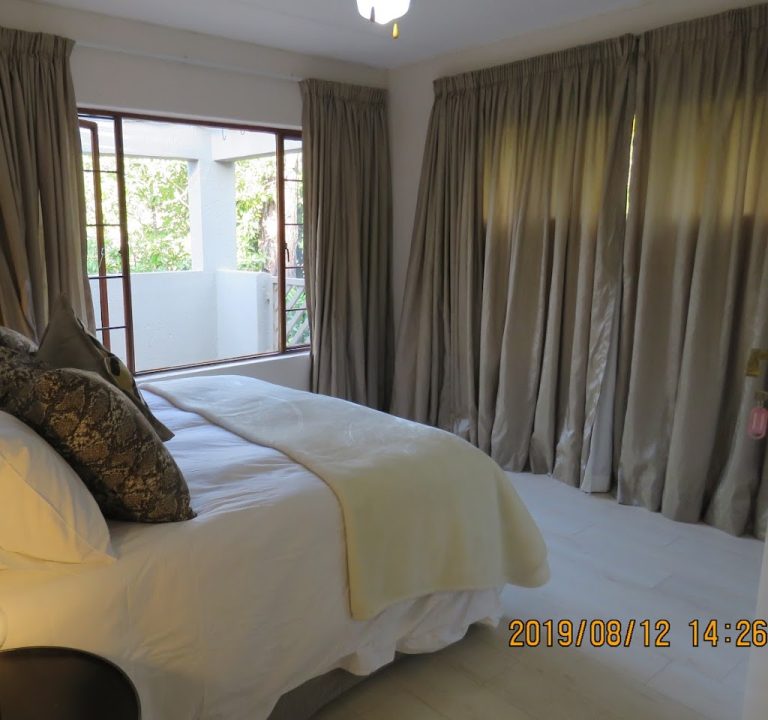
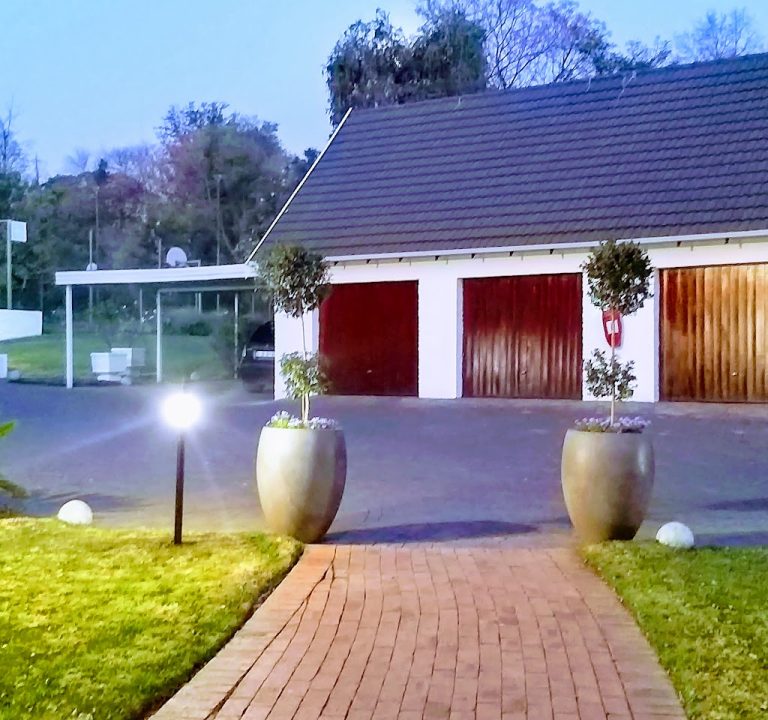
Grosvenor B&B, as an example of a well‑placed bed and breakfast, demonstrates how a stay can combine a comfortable room, a hearty breakfast and local guidance under one roof. If you are considering a B&B experience, you might look for hosts who can share practical tips on public transport routes, safe neighbourhoods for evening strolls, and recommendations for hidden courtyard cafés or neighbourhood markets. A B&B can offer a more intimate feel than a larger hotel, with the potential to build a rapport that helps you feel like a guest in a familiar, welcoming city.
Practical planning tips for a smooth stay:
- Choose a base with easy access to public transport or a reliable shuttle service.
- Check whether breakfast is included and what the options are for dietary needs.
- Assess safety and security features, such as 24-hour reception, secure parking or access control.
- Read cancellation policies carefully, especially if your travel dates are flexible.
- Request local recommendations for dining, markets, and day trips to diversify your itinerary.
Finally, balance the wish-list items with a realistic plan. Johannesburg rewards curious travellers who mix guided experiences with independent exploration. A carefully chosen stay in the right neighbourhood can anchor your visit, making it easier to blend cultural discoveries, relaxed meals and easy, confident transport. With thoughtful planning, your Johannesburg stay can be as dynamic as the city itself, delivering both comfort and a sense of being part of the place you’re visiting.