Johannesburg: A Traveller’s Guide to Accommodation, Attractions and Local Experiences
Johannesburg, Gauteng’s vibrant metropolis, offers a spectrum of stays from intimate guest houses to stylish boutique hotels and well-appointed lodges. When planning a visit, consider the city’s diverse neighbourhoods, each with its own character, accessibility and dining scene. Central hubs such as Sandton, Rosebank and Braamfontein provide convenient access to business districts, cultural venues and a lively nightlife, while areas like Maboneng and Newtown invite a more intimate, neighbourhood-style experience with local art, markets and eateries. For a quieter base, suburban guest houses in recognised gateways offer easy day trips to Soweto, the Cradle of Humankind and nature reserves just a short drive away.
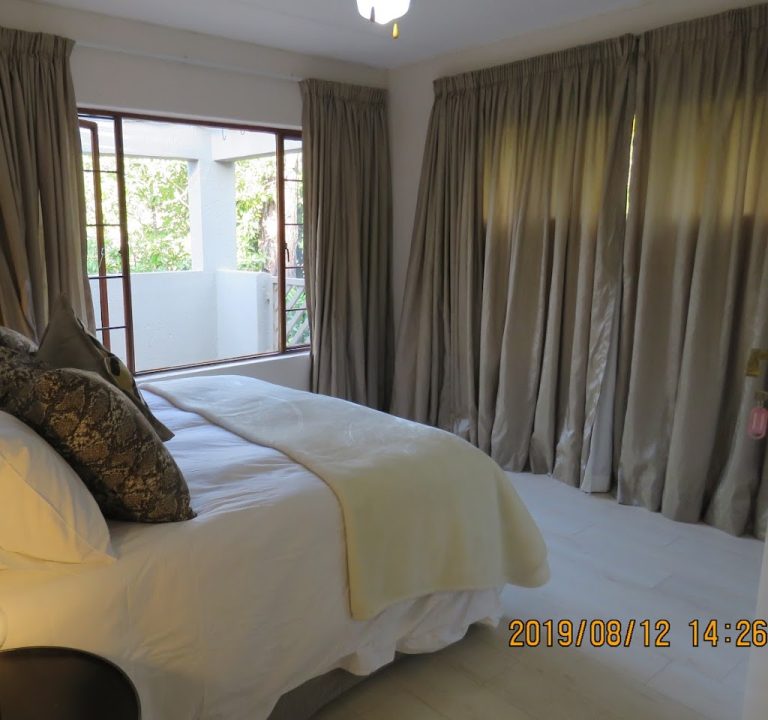
Accommodation options span guest houses, boutique hotels, and self‑catering apartments. Guest houses—including your chosen Fountain Hill Guest House—often prioritise personalised service, secure parking, breakfast options and curated recommendations for local routes and experiences. When selecting a place to stay, look for the following:
- Location relative to your planned activities and transport links
- Transport access: proximity to Gautrain stations, major roads, or reliable shuttle services
- Security: well-lit access, on-site parking and 24-hour reception if available
- Amenities: Wi-Fi, breakfast inclusions, air conditioning or heating, and a well-equipped workspace if you’re travelling for business
- Guest reviews: consistency in service, cleanliness and value for money
- Cancellation policies and flexibility in bookings
Typical amenities you might encounter include en-suite bathrooms, comfortable beds with quality linens, complimentary tea and coffee facilities, secure parking, and in some cases spa or wellness offerings. Many guest houses in Johannesburg also arrange personalised itineraries, restaurant reservations or guided city tours, which can save time and help you discover offbeat sites. If you are visiting with family or a group, seek out properties with larger suites or self-catering capabilities, such as kitchen facilities or lounge areas, to maximise comfort and flexibility.
Transport is a practical consideration in Johannesburg. The city is well served by the Gauteng provincial road network and the Gautrain rapid rail system, which connects Pretoria, Sandton and Johannesburg’s northern suburbs with speedy, efficient travel. Within the city, Uber and other ride-hailing services are widely available, and many guest houses can assist with arranging transfers. If you prefer to drive, opt for guest houses with secure parking and easy access to main routes; for those relying on public transport, pick locations near rail links or bus routes to cut journey times and increase ease of exploration.
Best time to visit Johannesburg depends on your preferences. The dry winter season (roughly May to August) often brings clear skies and cooler evenings, making outdoor pursuits and city walks pleasant. The summer months (November to March) bring occasional thunderstorms and lush, green landscapes, which can be ideal if you enjoy vibrant markets and street life. Plan ahead for school holidays and major events, as some areas can become busier and lodging prices may fluctuate. Spring and autumn typically offer mild weather and comfortable sightseeing conditions, with air quality generally good and fewer crowds than peak holiday periods.
What to do during your stay varies from culture and history to nature and gastronomy. In central districts, you’ll find galleries, street art, markets and museums that trace South Africa’s complex narrative. City rooftops, microbreweries and cosmopolitan dining scenes showcase a modern, culinary-forward side of Johannesburg. For broader experiences, consider day trips to Soweto to learn about its pivotal role in history, or explore nearby nature reserves and geological sites for a contrast to the urban energy. Dining ranges from sophisticated bistros to casual eateries offering traditional flavours and modern twists; many venues emphasise seasonal, locally sourced ingredients and diverse regional influences. When planning restaurant visits, aim to reserve ahead for the more popular spots and be prepared for varied opening hours in and around business districts and shopping hubs.
Practical planning tips to help you make the most of your stay:
- Research neighbourhoods before booking to align with your priorities—security, convenience, nightlife or cultural immersion
- Request local tips from your accommodation host, including safe walking routes and best times to visit popular attractions
- Pack adaptable layers for Johannesburg’s variable climate and a universal adapter for electronics
- Prioritise a flexible itinerary that balances indoor activities with outdoor experiences and downtime
- Respect local customs and be mindful of safety guidelines, especially in busy city precincts after dark
In summary, a stay in Johannesburg can be as relaxed or as adventurous as you choose. With thoughtfully selected accommodations—like a welcoming guest house in a well-connected area—the city becomes a gateway to culture, cuisine and a tapestry of modern urban life. Whether you’re drawn to contemporary galleries, historic streets, or lively markets, planning around convenient transport, sensible security considerations and flexible dining options will ensure a rewarding visit.