Accommodation and Activities in Johannesburg, Gauteng: Planning Your Stay
Johannesburg, or Jo’burg as many locals call it, is a vibrant hub of culture, history and modern urban energy. Whether you’re seeking boutique stays in stylish neighbourhoods, budget-friendly guesthouses, or well-appointed hotels with easy access to transport links, the city offers a range of options to suit different itineraries. When planning a visit, it helps to think in terms of areas, practical comforts, and a sense of how you’ll get around to experience the best of what Gauteng has to offer.
Neighbourhoods to consider
The city centre and the inner suburbs sit close to many of Johannesburg’s cultural highlights and business districts. If you want a central base with quick access to museums, galleries and markets, look for options in the Maboneng Precinct, Newtown, or Parktown. For a more residential feel with leafy streets and good transport links, the northern suburbs – such as Rosebank, Sandton, and Melville – are popular with visitors who value a calmer pace while staying within easy reach of the city’s main sights. Soweto, a short drive or ride away, offers a fascinating perspective on South Africa’s history and contemporary life, with guesthouses and lodges often providing a welcoming, community-oriented experience. Consider proximity to Gautrain stations if you plan to travel outside the city or to neighbouring suburbs; being near public transport can save time and reduce travel stress.
What to look for when booking
When evaluating accommodation in Jo’burg, a few essentials matter as you compare options. Safety and secure access are high priorities in any urban setting. Look for properties with reliable reception and controlled entry, good lighting, and clear emergency procedures. Parking availability can be important if you’re renting a car or planning day trips. For longer stays, check whether the property offers self-catering facilities, a well-equipped kitchen or a continental breakfast, and reliable Wi‑Fi. A comfortable workspace, a quiet room, and air conditioning or efficient heating are additional practical considerations depending on the season. If you’re travelling with family or a group, ask about room configurations, extra beds or cots, and access to common areas.
Typical amenities you may encounter
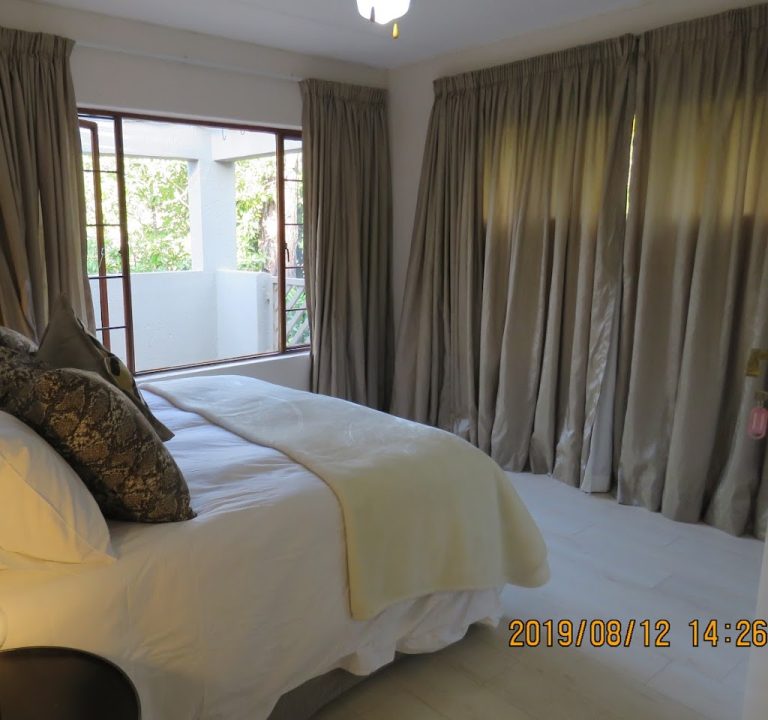
- Bright, well-kept rooms with ensuite bathrooms.
- On-site dining options or easy access to nearby eateries.
- Concierge or helpful reception staff who can arrange tours or transfers.
- Secure parking or good public transport accessibility.
- Free or paid Wi‑Fi, laundry facilities, and in-room refreshment stations.
Transport and getting around
Johannesburg’s transport network allows for flexible day trips. The Gautrain, the city’s rapid rail system, offers fast connections to Pretoria and Sandton, making it a convenient choice for travellers who plan to explore broader Gauteng. Within the city, Uber, Bolt or metered taxis are widely available, and many hotels arrange airport transfers or private drivers on request. If you’re staying in a walkable neighbourhood such as the city centre or certain suburbs, you can often explore on foot for shorter hops, then use ride-hailing services for longer legs. It’s wise to have a rough plan for longer day trips, especially if you want to visit multiple venues in one day.
Best time to visit and practical tips
Johannesburg has a subtropical highland climate. The spring and autumn months bring pleasant daytime temperatures, while winter (June to August) is typically dry and cooler, which some travellers prefer for outdoor activities and city walks. The rainy season tends to be in the summer, so packing lightweight rain protection is sensible. If you plan outdoor experiences, booking admission or guided tours in advance can help you avoid queues and secure a smoother itinerary. Gold‑mining, cricket matches, or major cultural events may affect accommodation availability, so consider reserving your stay a few weeks ahead during peak periods such as school holidays or major city-wide events.
Practical planning ideas
Think about a flexible base that makes it easy to combine urban exploration with quieter corners of the region. Johannesburg offers a dynamic mix of museums, markets, music venues and contemporary galleries, alongside historic sites and diverse dining scenes. When choosing where to stay, prioritise easy access to your preferred activities and consider a balance between lively areas and tranquil neighbourhoods. If you enjoy a local atmosphere, a guesthouse or a small boutique hotel in a characterful district can offer a more personalised experience than a larger chain property.
For example, there are long‑standing guesthouse options and boutique stays in various parts of the city. One that travellers sometimes consider is Mageni Guest House, a characterful option within the broader accommodation landscape in Johannesburg. It can serve as a practical base for visitors who value thoughtful, locally oriented hospitality and convenient access to city transport routes and surrounding neighbourhoods. When investigating such properties, review guest reviews for candid insights on service, cleanliness, and value for money, and check the property’s own website for current facilities and booking terms.
Eating and exploring
Johannesburg’s restaurant scene ranges from casual street food and market stalls to refined dining in stylish venues. Districts with creative energy and a varied culinary offer often feature restaurants in modern and historic settings. In addition to dining, consider a mix of experiences such as guided history tours, contemporary art visits, and daytime markets where local crafts and produce are showcased. Combining these activities with your chosen stay helps you experience both the legacy and the vibrant present of South Africa’s largest city.
Useful links for planning your trip include official tourism portals and city guides, which provide current information on events, safety advisories, transport options and suggested itineraries. Always verify the latest travel advice and opening times before you travel, and enjoy planning a stay that reflects your interests—whether that means architectural walks through vibrant urban cores, cultural visits in historic districts, or relaxed evenings in welcoming neighbourhoods.