Johannesburg: Accommodation and Experiences in Gauteng
Johannesburg, a dynamic hub in Gauteng, offers a broad range of stay options from serviced apartments and boutique guesthouses to modern hotels and lodge-style escapes on the city’s outskirts. When planning a visit, consider areas that align with your planned activities, budget, and preferred pace of life. The city’s mix of urban energy, cultural heritage, and nature makes it possible to tailor a stay that feels both convenient and distinctly South African.
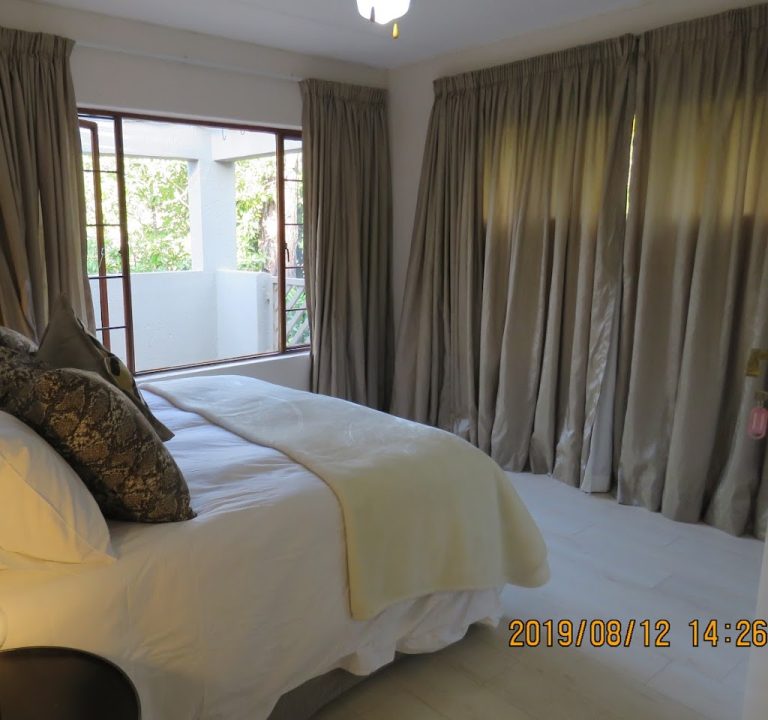
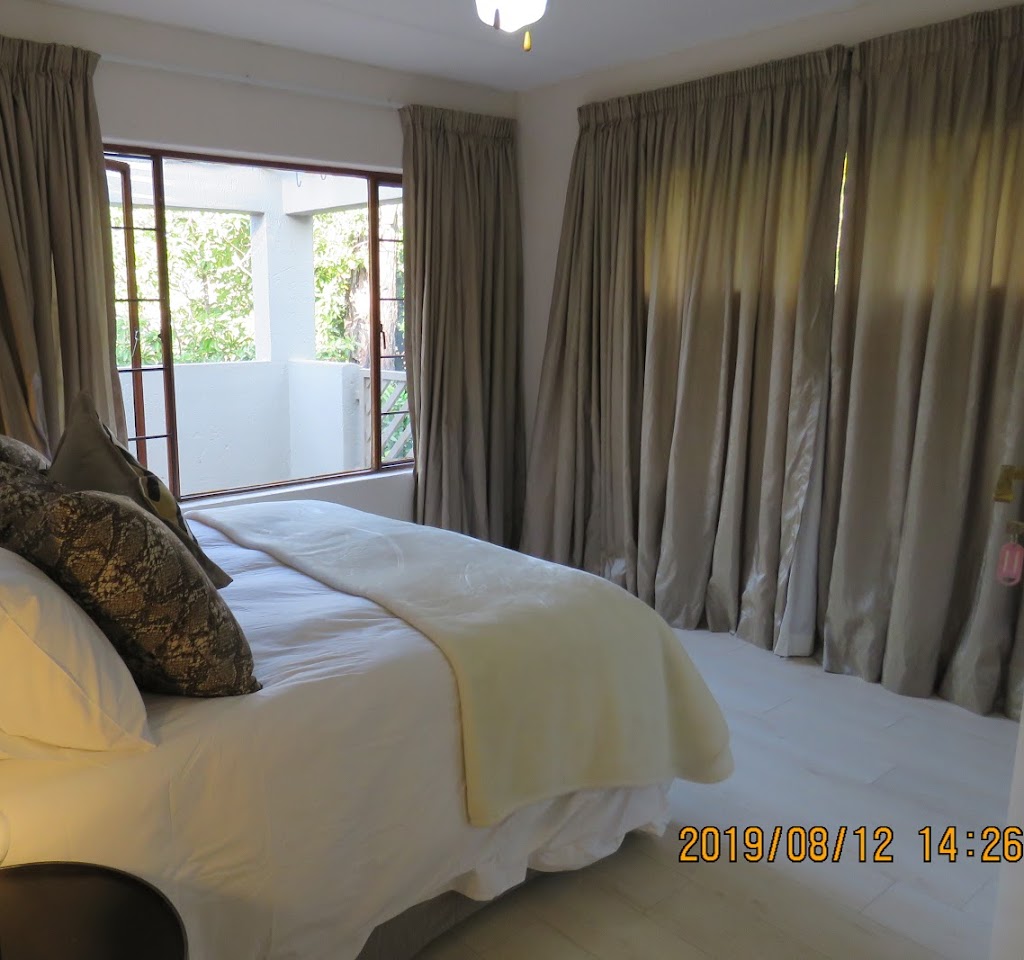
Accommodation in Johannesburg is varied enough to suit most travellers. Serviced apartments and guesthouses provide a home-from-home feel with daily or weekly housekeeping, private kitchens, and flexible check-in. Hotels range from internationally branded properties to design-focused small hotels, often located close to business districts, shopping centres, or cultural hotspots. For those seeking a quieter base while still being well connected, suburban enclaves offer leafy streets, easy parking, and a calmer rhythm without sacrificing access to the city’s attractions.
When choosing where to stay, think about what you want within easy reach. If you’re here for business or fast-paced sightseeing, central districts and Sandton offer excellent transport links and a concentration of amenities. For a neighbourhood vibe with cafes, local eateries, and art spaces, consider areas such as Rosebank, Melville, or Braamfontein. For a more relaxed, family-friendly or boutique lodging experience with a touch of green space, Hyde Park and surrounding suburbs can be appealing. Each area has its own character and walking routes, so it’s worth a bit of advance planning to match your plan with a suitable base.
Typical amenities to look for when booking include secure parking or proximity to safe, well-lit transport options; reliable wi‑fi; a well-equipped kitchen or offer of breakfast; on-site or nearby dining options; access to a fitness space or outdoor areas; and clear, easy check-in processes. For serviced accommodation, confirm whether bedding configurations fit your group (one, two, or three bedrooms, sofa beds, or additional z-beds) and whether daily or weekly housekeeping is included. For short city breaks, location and convenience often trump extravagant extras, but good lighting, sound insulation, and comfortable beds are essential for a restful stay after busy days sightseeing.
Transport in Johannesburg is straightforward if you plan ahead. The city has a modern rail link known as the Gautrain, which connects the airport with northern business districts and Sandton, easing long-distance travel. Taxis and ride-hailing apps are widely available, making central areas easily accessible even without a car. If you do hire a vehicle, ensure secure parking and be aware of peak traffic times, which can influence how you schedule day trips to attractions outside the city core. When booking accommodation, asking about nearby public transport options or shuttle services can save time and stress during your stay.
The best time to visit Johannesburg generally aligns with its spring and autumn months, when the weather is mild and outdoor activities are pleasant. Johannesburg experiences a high-altitude climate, with warm summers and cooler nights. If you’re planning outdoor exploration or day trips to nearby natural areas, consider warming layers for evenings and occasional rain showers in shoulder seasons. The city’s parks, viewpoints, and open-air markets shine with pleasant weather, but the city’s inner districts remain vibrant year-round, with museums, galleries, and seasonal events enriching any stay.
To help you plan, here are some areas to consider based on your interests:
- Sandton: a bustling business and shopping hub with high-end hotels, convenient transport links, and easy access to northern attractions.
- Rosebank: a lively neighbourhood known for markets, cafés, and a walkable streetscape that suits a leisurely urban stay.
- Melville and Braamfontein: student and arts districts offering vibrant nightlife, independent restaurants, and eclectic galleries.
- Johannesburg CBD: architectural heritage, museums, and a central location for exploring the city’s history and culture.
- Hyde Park and surrounding suburbs: quieter residential areas with greenery, boutique lodges, and family-friendly options.
When it comes to dining and experiences, Johannesburg presents a broad spectrum from upmarket eateries to casual bistros and vibrant markets. You’ll find venues that celebrate South African flavours and Indian, African, and European influences, all within easy reach of major guesthouses and hotels. In terms of activities, consider combining a city day with a visit to museums and galleries, a stroll through markets or craft districts, and a nature or wildlife outing a short drive away. For practical planning, it’s worth setting a flexible itinerary that balances daytime sights with relaxed evenings in a favourite neighbourhood.
Practical tips for a smoother stay include confirming security arrangements and access to a well-lit, safe area near your accommodation; planning airport transfers in advance if you’re arriving late; and budgeting for a mix of dining options to reflect the city’s diverse culinary scene. Always check recent traveller reviews for current transport reliability or area safety notes, and keep your belongings secure when exploring crowded markets or tourist hubs. If you’re seeking inspiration, official tourism sites and reputable accommodation platforms offer practical itineraries and ideas for a balanced Johannesburg visit.
For further information and ideas on where to stay and what to see, you can explore official tourism resources and accommodation listings at accessible, up-to-date sources online.