Johannesburg: accommodation and experiences in Gauteng
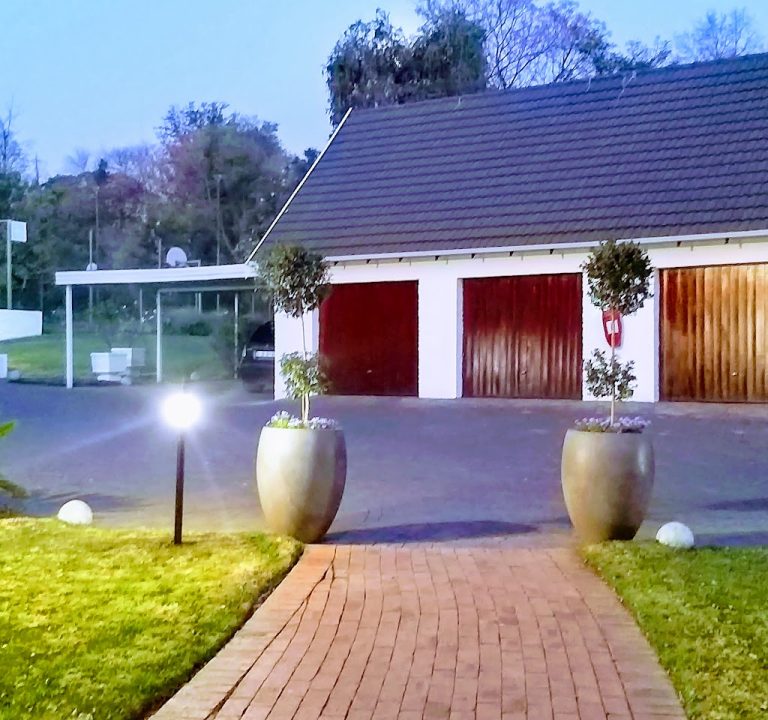
Johannesburg, or Jo’burg as many locals call it, is a vibrant gateway to Gauteng’s urban culture, history and dining. When planning a stay, travellers frequently balance central access with neighbourhood character. For a comfortable option in the Bryanston area, many visitors consider elegant guesthouses that offer a personal touch, thoughtful decor and easy routes to the city’s key sights. Whether you seek chic city living, a family-friendly base, or a refined boutique stay, there is a range of accommodation to suit different budgets and preferences.
Areas to consider for your stay include Sandton, Rosebank and Bryanston. Sandton is home to contemporary high-rise hotels and shopping hubs, with efficient Gautrain links to central Johannesburg and the airport. Rosebank offers a mix of stylish guesthouses, boutique hotels and lively markets, plus convenient access to the parks and museums along with good transport connections. Bryanston tends to provide quieter residential settings, often with elegant guesthouses and private courtyards, while still offering straightforward routes to the northern suburbs and major highways. For a more traditional urban neighbourhood experience, Braamfontein and Maboneng have revitalised streetscapes, with galleries, cafés, and micro-restaurants to explore on foot or by short taxi rides.
Booking considerations to help you optimise value and comfort include room type and layout for the duration of your stay, on-site amenities such as Wi-Fi, breakfast options, a secure parking area, and access to public transport or airport transfers. If you plan to travel by car, check the distance to the attractions you’ll visit and whether parking is included. For those relying on ride-hailing or public transport, consider properties with good street access and proximity to main routes or taxi drop-off points. Practical details such as air conditioning for hot summers, reliable heating for cooler nights, and adequate security are particularly important in Johannesburg’s climate and urban setting.
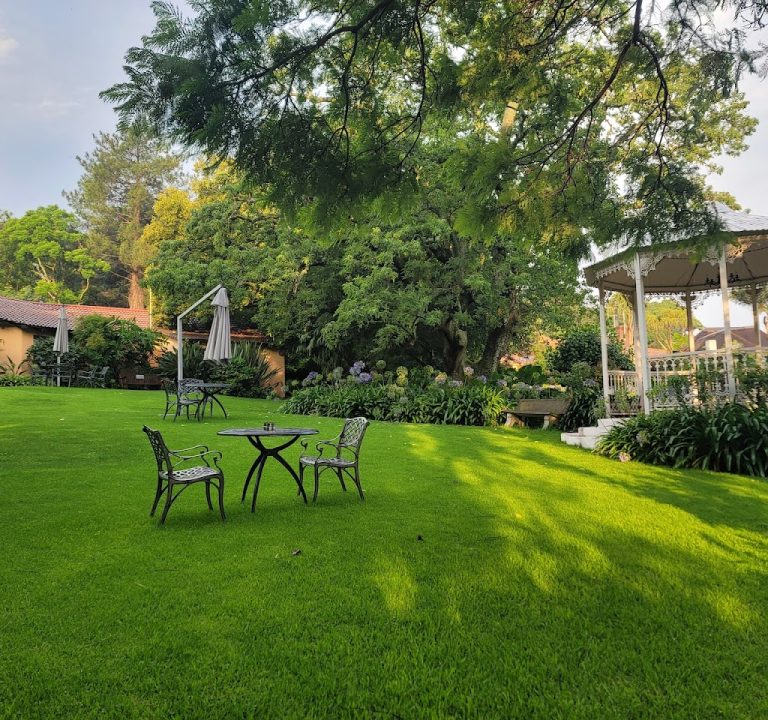
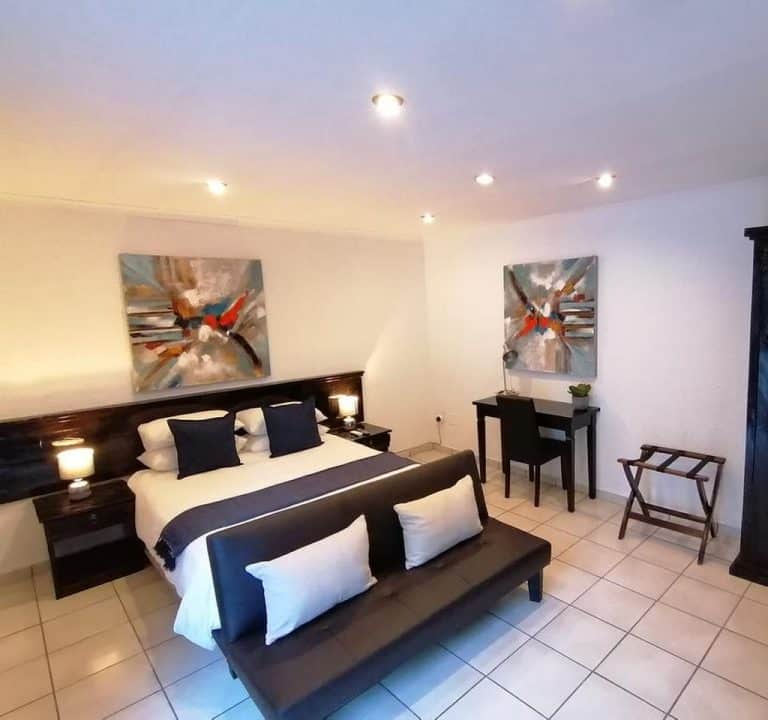
Typical amenities you may encounter include en-suite bathrooms, generous dining spaces, and comfortable lounges for downtime after day trips. Guesthouses and boutique hotels often emphasise personalised service, with hosts happy to suggest day plans, weather-aware itineraries, and local eateries. If you enjoy outdoor spaces, look for courtyards, rooftop decks, or gardens where you can relax after exploring the city. In terms of transport, a good stay will provide easy access to taxis or rideshare apps, and clear guidance on the best routes to the city’s most popular sights.
Best time to visit Johannesburg is generally during the shoulder seasons of spring (September to November) and autumn (March to May), when the days are mild and the city feels lively but not overly busy. Rain is most common in the summer months (roughly November to March), so plan accordingly if you prefer drier weather. For those seeking outdoor experiences, early mornings can be a great time to explore parks or green spaces before the day heats up.
Practical tips for planning a stay in Johannesburg:
- Decide whether you prefer a central base with quick access to business districts and museums or a quieter residential area with a more intimate guesthouse atmosphere.
- Check whether breakfast is included and what kind of dining options are nearby for days you’d rather not cook.
- Assess your transport plan: proximity to Gautrain stations, main roads, or taxi- and rideshare-friendly routes can save time.
- Consider how you’ll structure day trips—Soweto, the Apartheid Museum, the central business district, and the northern suburbs are all reachable by car or guided tours.
- Look for properties with secure parking or well-lit access, especially if you expect to return late from evenings out.
Johannesburg’s attractions run from thought-provoking museums to dynamic art districts and markets. Visitors commonly enjoy learning about the country’s history at major museums, while contemporary districts offer street art, galleries and innovative eateries. South Africa’s capital of Gauteng also serves as a convenient hub for day trips to nearby venues, including nature reserves, gardens and other cultural landmarks. Dining in Johannesburg ranges from casual cafés to refined eateries that showcase local produce and international influences; many neighbourhoods offer vibrant street life with a mix of quick bites and sit-down meals.
When selecting restaurants or cafés, look for places that highlight seasonal ingredients and offer flexible options for different dietary preferences. If you want guidance, your accommodation host or front desk team can point you toward well-regarded neighbourhood spots, from laid-back daytime venues to evenings with a curated dining experience. For travellers who enjoy markets, neighbourhood markets provide an opportunity to sample local flavours, crafts and street food in a safe, lively environment.
In all, Johannesburg offers a mix of stylish stays, convenient transport links, and diverse experiences. A well-chosen base—whether the refined ambience of a Bryanston elegant guesthouse, a modern hotel in Sandton, or a boutique retreat in Rosebank—can unlock easy access to the city’s museums, markets, and day-trip experiences. Plan with flexible schedules, respect local customs, and enjoy the balance of urban energy and warm hospitality that defines this Gauteng city.