Johannesburg: Where to stay and how to plan a memorable visit
Johannesburg, or Jo’burg, is a dynamic hub of culture, history and modern energy set within Gauteng province. When planning a stay, travellers should consider a mix of neighbourhoods to balance access to sights, dining and safe, convenient transport. Whether you prefer boutique hotels in stylish city districts, guesthouses tucked away in leafy suburbs, or larger hotels with reliable amenities, Johannesburg offers options that suit a range of budgets and travel styles.
Begin by identifying the right area for your stay. The central corridor around the city centre is ideal for first-time visitors who want proximity to museums, markets, theatre and a lively street scene. For those seeking a calmer base with easy access to the airport, northern suburbs and green spaces, look to areas such as Sandton, Rosebank or Melrose Arch. If you’re after a more authentic South African neighbourhood experience with easier access to markets and local eateries, the northern outskirts and certain inner-city pockets provide characterful guesthouses and small hotels. Consider your priorities: walking access to attractions, proximity to Gautrain stations for day trips, or a quieter retreat after a day of exploring.
When choosing accommodation, consider the following common features and how they align with your plans:
- Air conditioning and reliable Wi‑Fi, particularly in the hotter months; many properties in Jo’burg offer efficient climate control in bedrooms and living areas.
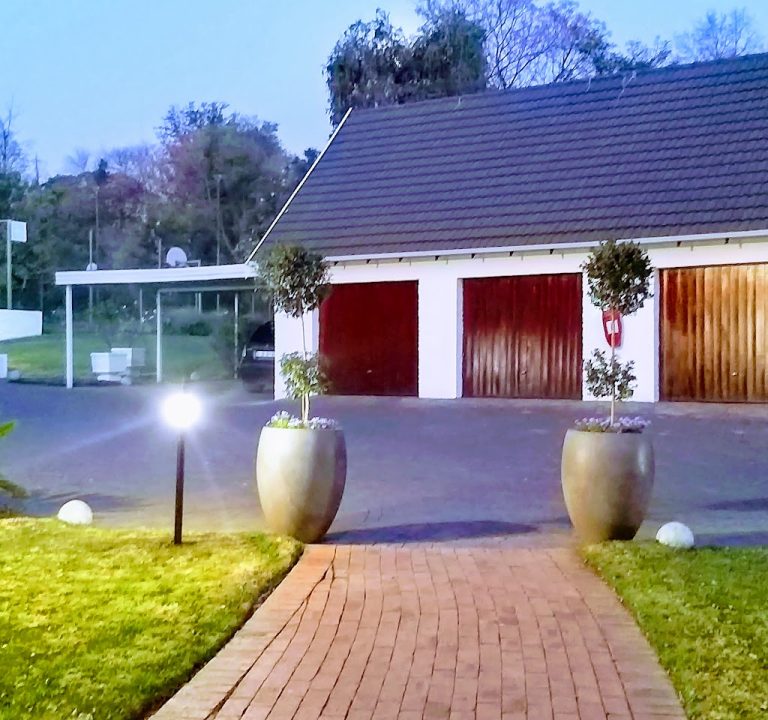
- Secure parking or easy access to public transport; a good breakfast can save time in busy mornings, while on-site dining options add convenience.
- Well-equipped kitchens or guest lounges if you enjoy social spaces or want to prepare light meals after long days out.
- Safety features such as 24-hour reception, CCTV and well-lit entrances; read recent reviews to gauge real-world experience.
- Flexible cancellation policies and transparency about neighbourhood safety, which can differ markedly by area.
Transport in Johannesburg is an important consideration. The city’s public transport network includes rail and bus services, but many visitors find that a rental car or organised transfers provide the most convenience for reaching spread-out attractions. If you prefer not to drive, choose accommodation near Gautrain stations or in areas with ride-hailing access and easy daytime routes. Taxis and ride‑hailing apps are widely used, yet peak traffic periods can be lengthy; planning day trips with travel time in mind helps avoid long delays.
Best time to visit Johannesburg is shaped by the weather and events calendar. The city enjoys a subtropical highland climate with warm summers and dry, cooler winters. From November to February, you’ll experience the warmest temperatures and afternoon thundershowers—great for outdoor markets and parks, but plan for possible humidity. May to August offers milder days and crisp evenings, comfortable for museum visits and city walks. If your trip centres on outdoor experiences or wine routes in nearby regions, checking event schedules can help you avoid crowds or capture a particular atmosphere.
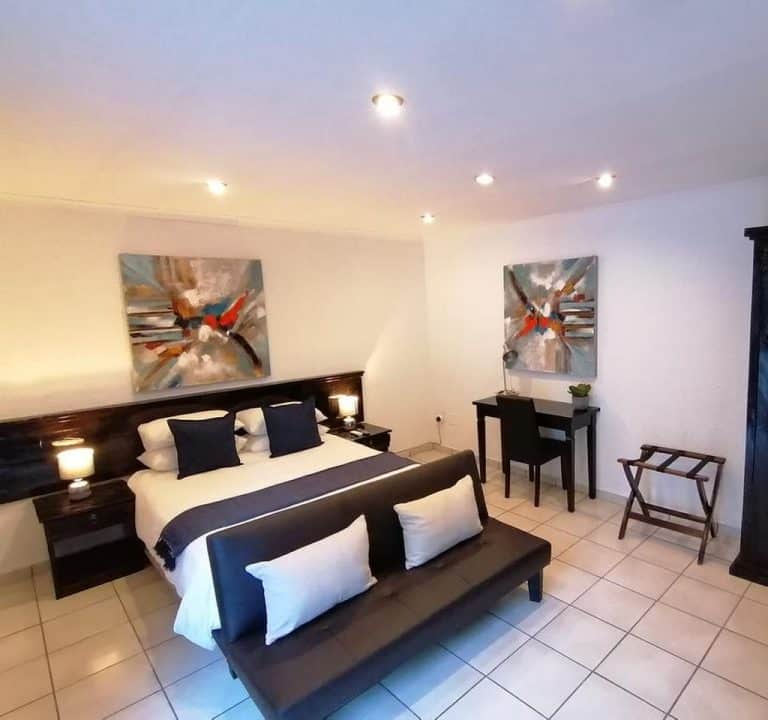
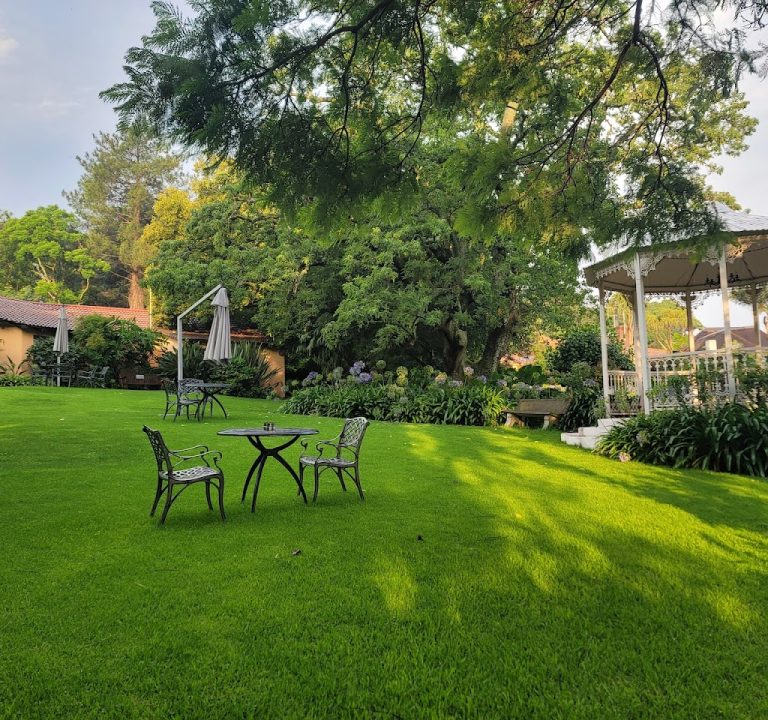
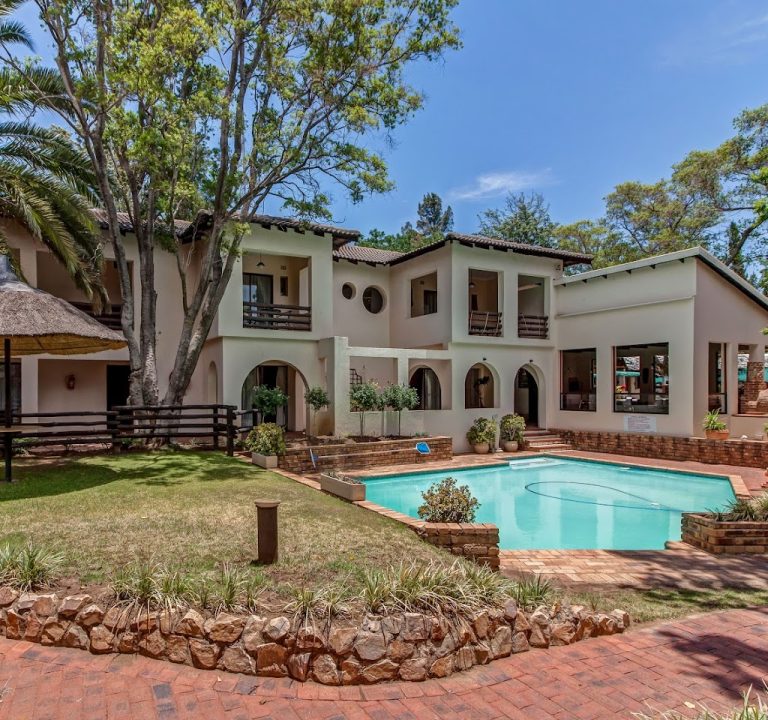
Accommodations vary from intimate guesthouses with personalised service to larger hotels with conference facilities. In guesthouses, you might enjoy homely breakfasts and a more local touch, with hosts who can share tips on safe routes and day trips. Boutique hotels in city boutique districts often blend contemporary design with cultural influences, providing stylish spaces and easy access to dining precincts and galleries. For business stays or longer visits, serviced apartments or mid‑sized hotels with kitchenettes and lounge areas offer comfort and flexibility.
Planning a balanced itinerary involves mixing cultural sites, markets, and dining experiences. In general terms, you’ll find a wealth of museums and historic sites within the central city and hillbrow/mija zones, while southern and eastern neighbourhoods showcase a rich variety of markets and street food stalls. When it comes to dining, Johannesburg offers everything from upmarket restaurants to casual eateries serving traditional South African favourites and international cuisine. As you plan, reserve a mix of experiences: a high-energy day in the city core, a relaxed day in parks or for shopping at larger centres, and perhaps a guided neighbourhood walk to understand local history and daily life. Dining later in the day can be pleasant in many areas, with a range of options from contemporary bistros to familiar casual spots.
Practical tips to help you make the most of your stay:
- Book accommodation with clear access to reliable transport options and updated guest services such as luggage storage, secure entry and on-site reception.
- Check recent guest reviews for honesty about safety, street noise, and staff responsiveness.
- Plan day trips with sensible travel times between sights to avoid fatigue from long drives or transit hops.
- Pack versatile clothing for warm days and cooler evenings, particularly if you visit in the shoulder seasons.
- Respect local customs and be mindful of area differences; some parts of the city are more residential and quieter at night.
For those seeking inspiration or specific recommendations, sample itineraries often highlight a mix of culture, markets, and parks, with convenient access to dining options that reflect Johannesburg’s diverse culinary landscape. A stay at a well-reviewed hotel, guesthouse or boutique property in Johannesburg can serve as a comfortable base from which to explore the city’s galleries, theatres, and public spaces, while nearby day trips offer a broader sense of Gauteng’s landscapes—from the urban skyline to the subtler charms of nearby towns. For up-to-date information, many travellers consult official tourism resources and property websites to tailor a stay that aligns with their interests and budget, with thoughtful attention to transport and safety considerations.