Johannesburg: Where to stay, what to do, and how to plan a rewarding visit
Johannesburg, or Jo’burg, is a sprawling city that blends vibrant city life with rich history and contemporary culture. When planning a stay, start by choosing the right neighbourhood to suit your style and interests. The city centre offers a dynamic mix of modern hotels, guest houses, and cultural landmarks, while northern suburbs tend to feature leafy residential streets, green spaces, and a calmer pace. The southern and eastern outskirts can provide more budget-friendly options and easy access to nature reserves and local markets. Deciding on a base helps you structure day trips, dining plans, and evening activities with less hassle.
Accommodation in Johannesburg ranges from intimate guest houses to stylish boutique hotels and larger hotels with full-service facilities. Look for properties that balance comfort with convenience: secure parking or easy access to public transport, dependable housekeeping, clean private bathrooms, and reliable Wi‑Fi. For a more personalised experience, many guest houses in key neighbourhoods offer warm, attentively hosted stays, often with an emphasis on local knowledge, breakfast options, and tailored recommendations for sights and eateries.
Typical amenities to consider include secure parking, 24-hour check-in, on-site dining or breakfast options, and convenient ways to reach the airport or major transport hubs. If you plan to drive, check the accessibility of your chosen area and whether the property offers reserved street parking or on-site parking. If you’ll be relying on public transport, look for locations near major bus routes or the Gautrain station network, which can simplify trips to and from the city centre and Sandton.
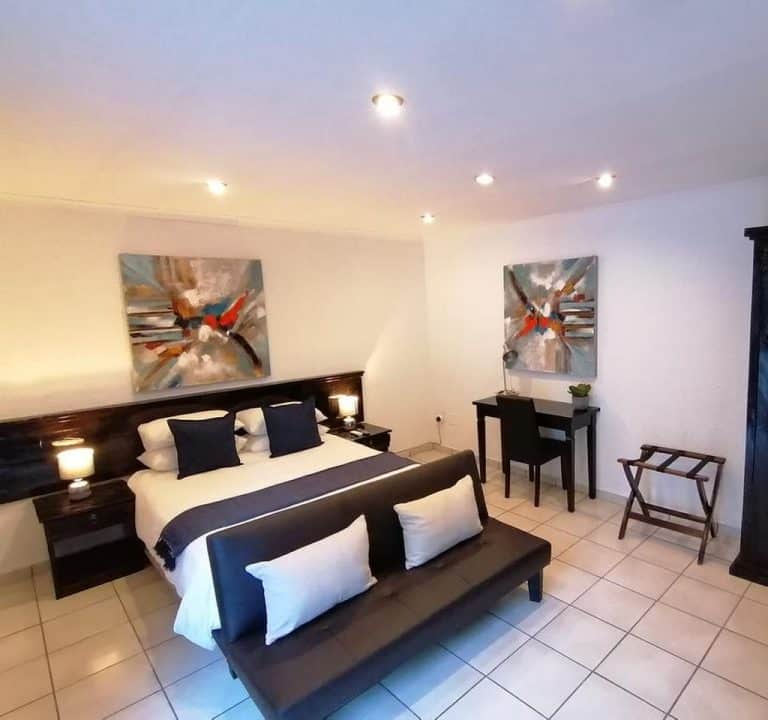
When booking, clarity about room layouts, bedding configurations, and privacy features helps avoid surprises. Read guest reviews with an eye for consistency on cleanliness, sound insulation, and hospitality. If you have special needs or preferences, such as luggage storage, late check-in, or accessibility features, confirm these with the property in advance. Booking platforms often note cancellation policies and deposit requirements; understanding these can save frustration if travel plans shift.
Transport is a key consideration for first-time visitors. Johannesburg has an extensive road network, but driving can be challenging for visitors unused to local conditions. The Gautrain offers fast, reliable connections between Johannesburg, Pretoria, and the OR Tambo International Airport, with convenient stops in central areas and Sandton. For shorter hops, ride-hailing services and taxis are widely available in central districts. Walking is pleasant in areas with good pavements and safe streets, particularly around shopping precincts, museums, and parks, but it’s wise to stay aware of your surroundings and plan routes in daylight when possible.
Best time to visit Johannesburg is generally guided by how you anticipate the weather and crowds. The city experiences warm summers and cooler winters. If you favour outdoor activities and markets, the drier winter months can be more pleasant for exploring the parks, rooftop venues, and open-air events. Surfaces can be uneven in historic districts, so comfortable footwear is essential. Plan indoor options—museums, galleries, and shopping centres—for unexpected rain or cooler evenings.
One well-regarded way to structure a stay is to balance cultural experiences with nature escapes and culinary discoveries. Start with a walk through historic districts or a museum precinct to gain a sense of the city’s story, then spend an afternoon in a leafy suburb with cafés, boutiques, and green spaces. In the evenings, consider a dining district that offers a mix of modern South African cuisine and international influences, followed by a relaxed drink in a rooftop bar or a venue with live music. Many visitors appreciate venues that showcase local produce and craft beverages without being overrun by crowds.
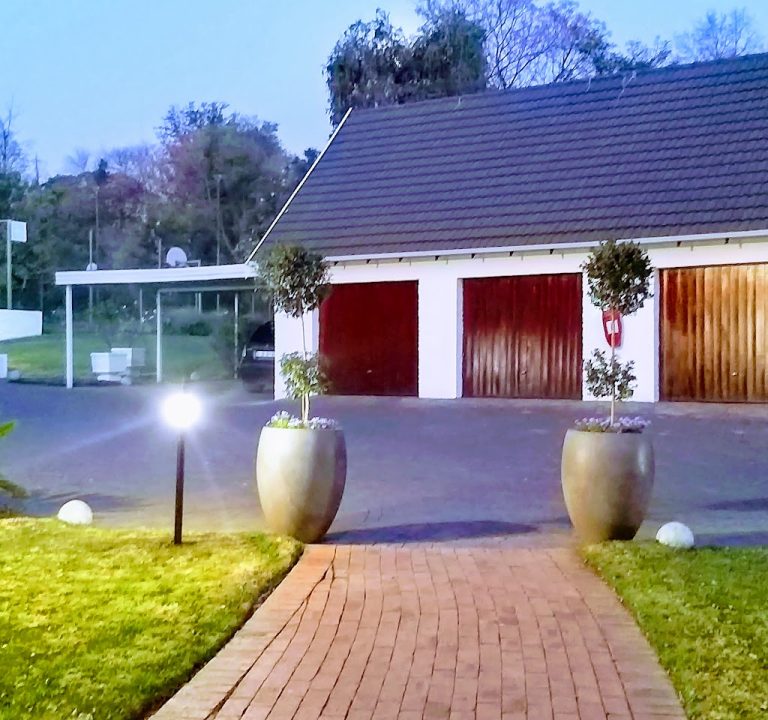
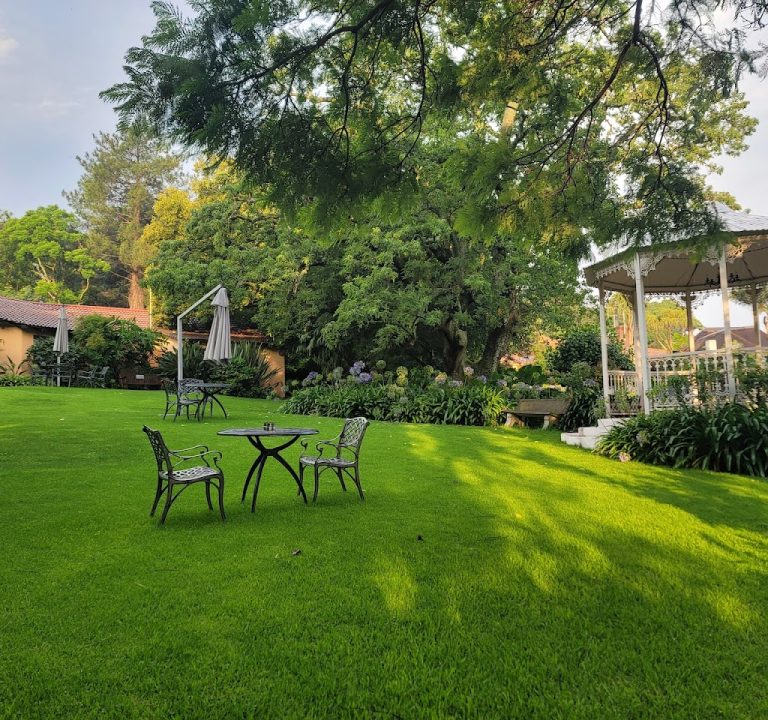
Accommodations such as Bryan Manor Guest House provide a cosy, guest-house experience with personalised service in a convenient location. For those staying in a guest house, look for hosts who can share practical tips about safety, local markets, and day trips to nearby attractions. A thoughtful guest house will typically offer a comfortable lounge or terrace where guests can meet fellow travellers, as well as secure access to bedrooms and common areas. The host’s recommendations can help shape an efficient itinerary that minimises backtracking and maximises time for experiences you value most. More information about Bryan Manor Guest House can be found on its official website: Bryan Manor Guest House.
Attractions in and around Johannesburg cover history, wildlife, and vibrant urban culture. Within easy reach are museums that illuminate South Africa’s past, botanical gardens and nature reserves, and contemporary galleries. For many visitors, city markets, street-food stalls, and casual dining areas offer memorable introductions to local cuisine. When planning your meals, you’ll find a range of options from casual cafés to eateries dedicated to regional dishes and modern fusion menus. If you have a particular interest—be it art, history, or nature—consider prioritising a guided tour or a themed day to gain deeper insight and context.
- Areas to consider: the central business district for accessibility; Sandton and Rosebank for upscale dining and shopping; Maboneng Precinct for arts and culture; Bryanston or Randburg for quieter residential stays with easy access to parks and trails.
In short, a well-planned Johannesburg stay balances comfortable accommodation with strategic location, reliable transport options, and a thoughtfully curated mix of cultural and culinary experiences. By choosing the right neighbourhood, confirming essential amenities, and leveraging local knowledge, you can enjoy a memorable and well-paced visit to Gauteng’s dynamic gateway city.