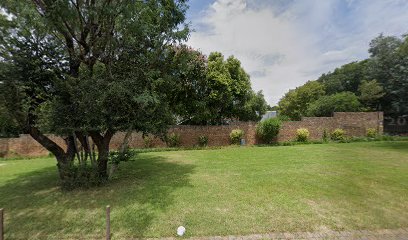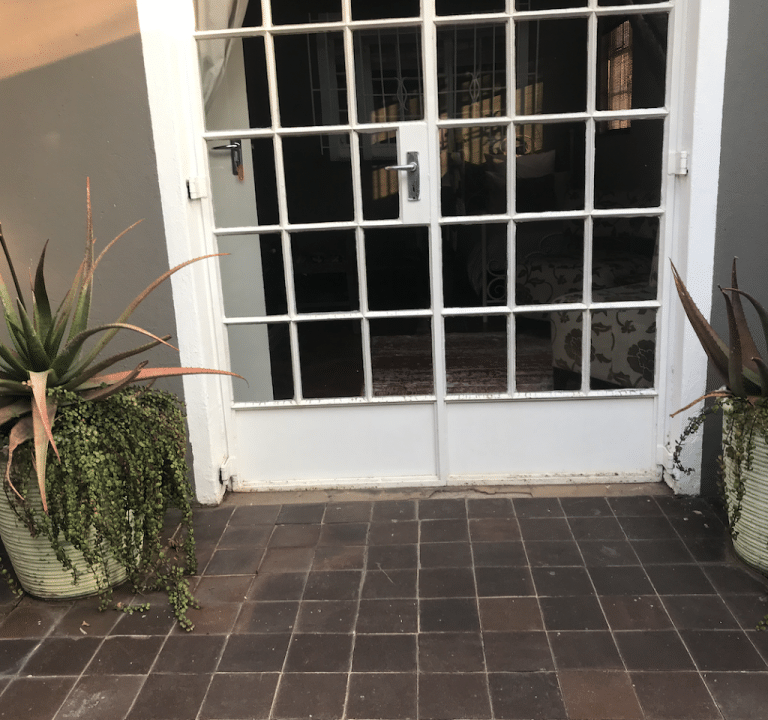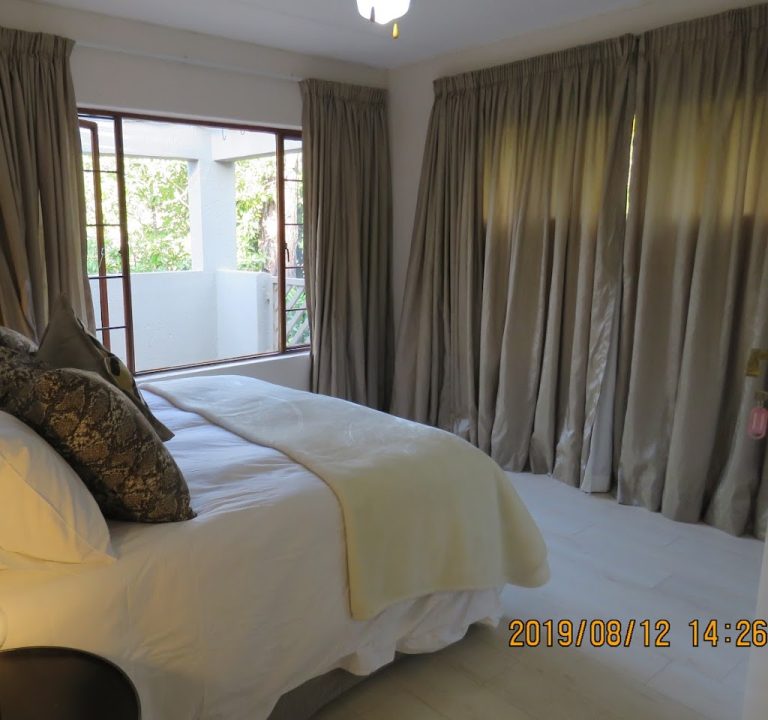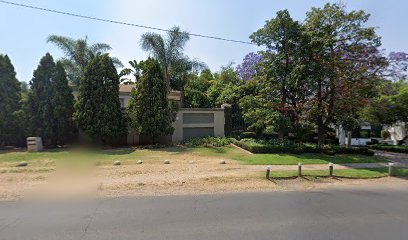
Phezulu is a Guest house establishment in Johannesburg, Gauteng, South Africa
About PheZulu Safari Park: A Wild Escape Near Durban’s Valley of a Thousand Hills
Nestled on the edge of the Valley of a Thousand Hills, PheZulu Safari Park offers a multi‑sensory blend of wildlife encounters, cultural spectacle and comfortable, thoughtfully designed accommodation. The park presents a family‑friendly, nature‑led retreat where visitors can combine memorable animal experiences with relaxed dining and convenient on‑site amenities. While it sits within KwaZulu‑Natal’s landscape, its setting is consistently described as offering sweeping views over the valley, with activities that appeal to both first‑time safari guests and returning explorers alike.
Accessibility and hours shape the experience at PheZulu. The park opens daily, inviting guests to enjoy a range of daytime activities and attractions across the grounds. Visitors can expect guided experiences that showcase the region’s biodiversity, including wildlife in conservation settings, reptile exhibits, and interactive encounters that bring the locality’s heritage to life. The day’s rhythm often includes shows and hands‑on demonstrations that celebrate Zulu culture, history and the natural environment at large.
The on‑site array of attractions is designed to entertain diverse interests. Highlights include the renowned Zulu dancing performances by the Gasa clan, which offer a culturally immersive routine with multiple show times throughout the day. For wildlife enthusiasts, a guided 4×4 safari game drive delivers close encounters in the park’s own conservation area, with several departures available in the morning and early afternoon. There is also a popular sunset option that provides a different perspective on the landscape and its inhabitants, subject to advance booking due to capacity and weather considerations. Tickets are “first come, first served” for some experiences, underscoring the value of planning ahead during peak periods.
For those with a curiosity for reptiles, the Reptile Park presents crocodile enclosures alongside an array of venomous and non‑venomous snakes, tortoise habitats, and a Creature Cave housing a range of frogs and exotic species. A dedicated “Fear Factor” experience offers a more adrenaline‑fuelled option, presenting a meal in the croc enclosure area (with restrictions and advance bookings), and accompanied by a restaurant‑quality meal ordered from the menu. While this activity is distinctive and memorable, it is subject to availability and safety protocols.
Food and dining are an integral part of the PheZulu experience. Nguni Café sits perched with vantage views of the valley, inviting guests to enjoy meals in a setting that complements wildlife and landscape. The café and surrounding venues provide a convenient complement to the day’s activities, allowing visitors to recharge between attractions or to linger to watch the light change over the hills.
Accommodation at PheZulu is designed to suit different travel styles without compromising the sense of immersion in the surrounding landscape. The Lodge and Bed & Breakfast offering features five tastefully decorated rooms, with several en‑suite options, plus communal spaces that encourage socialising and relaxation. A lounge with a pool table, a bar, a fireplace, wifi and DStv add practical comforts after a day of exploration. For guests seeking greater flexibility, self‑catering units are fully equipped and include a private braai area and safe, secure parking. Each unit is crafted to prioritise privacy and generous living space, enabling restful stays after morning adventures.
From a conferencing perspective, the lodge presents options for group bookings or corporate events. The space can be rented as an entire 12‑sleeper unit and also available in self‑catering configurations on request, making it a viable base for teams or families combining business with leisure. In addition to accommodation, the property hosts a curio shop featuring clothing, home decor and African crafts, giving visitors a chance to bring a tangible memory of the region back home.
Who is PheZulu best suited for? The blend of wildlife experiences, cultural showcases and comfortable, versatile accommodation makes it attractive to families, couples seeking a nature‑driven break, and groups looking to combine sightseeing with private accommodation. The park’s hillside setting and expansive valley views also make it appealing for visitors who prioritise scenery and outdoor experiences alongside structured activities like game drives and reptile exhibitions.
Nearby highlights and practical travel tips can help visitors maximise their stay. The park’s proximity to the Valley of a Thousand Hills positions it as a gateway to scenic photography, gentle hiking routes and local craft markets. While the area is not in the immediate city centre, it remains accessible for travellers who enjoy a rural‑inspired South African backdrop with easy access to Durban and surrounding towns. For those planning a visit, it is wise to book popular experiences such as the sunset game drive or the Fear Factor session in advance, particularly during peak seasons or holidays when capacity can fill quickly. Always check current hours, show times and weather considerations on the official site before arriving, and consider pairing a day of animal encounters with a relaxed lunch at Nguni Café to complete the experience.
- Plan ahead for key experiences (sunset drives and the Fear Factor session are best secured in advance).
- factor in travel time from Durban and allow for flexible scheduling around show times.
- Explore the self‑catering units for long‑stay comfort and privacy, with braai facilities for easy outdoor dining.
- Consider combining wildlife encounters with cultural performances to fully appreciate the locality’s heritage.
For more information about rates, opening times and specific accommodation options, interested travellers can explore the official PheZulu Safari Park website, including the B&B, self‑catering and conference pages, as well as the restaurant’s menu and the curio shop offerings. The park’s visible blend of nature, culture and hospitality presents an inviting gateway to a distinctly South African safari experience in KwaZulu‑Natal.
Johannesburg
Gauteng
2191
South Africa
Where to Stay and What to Do in Johannesburg, Gauteng
Johannesburg, or Jo’burg as many locals call it, is a dynamic gateway to South Africa’s cultural heartland. When planning a stay in Gauteng, consider the city’s diverse neighbourhoods, from bustling central districts to leafy northern suburbs and the vibrant urban art scenes found in Soweto and Maboneng. The right base can make airport transfers simpler, mornings easier, and evenings more enjoyable as you sample a wide range of eateries, bars and cultural experiences.
Accommodation in Johannesburg runs from boutique guesthouses and B&Bs to modern hotels and apartment-style stays. Common features you’ll encounter include free Wi‑Fi, in-room tea and coffee facilities, secure parking, breakfast options, and 24‑hour reception in larger properties. If you prefer a more self-contained stay, many places offer self-catering apartments with kitchens or kitchenettes, which can be especially convenient for families or a longer visit. When booking, prioritise clear cancellation policies, proof of housekeeping standards, and guest reviews that reflect current conditions, as service levels can vary seasonally and with special events in the city.
Areas to consider for your Johannesburg base:
- Rosebank and Parktown North – well connected by Uber and Gautrain links, close to business districts, malls, and a selection of chic cafés and restaurants.
- Sandton – the city’s premier business and shopping hub, with high-end hotels, theatres, and easy access to the Gautrain to the airport or Pretoria.
- Maboneng Precinct and downtown – a creative, walkable neighbourhood with galleries, street art, markets, and a growing choice of eateries.
- Soweto – for a deeper cultural immersion, with guided tours to historical sites, markets and local dining experiences.
- Sixteen Avenue and northern townships – quieter residential settings that can offer good access to highways and local parks.
Transport is a key planning factor. The city is served by the Gautrain network, which offers fast links to the airport, Sandton, and Pretoria, making day trips practical. Taxis and rideshare apps are widely available, but day trips to Soweto or the Cradle of Humankind typically require a guided tour or a rental car for flexibility. When budgeting, factor in peak-hour traffic, which can extend travel times between districts, especially if you’re staying near the central business district.
Best time to visit Johannesburg generally runs from spring to autumn (September to May), when the days are longer and conditions are milder. Winter (June to August) brings cooler temperatures and drier air. If your trip includes outdoor activities or tours in the wider region, plan for occasional afternoon thunderstorms in summer. With a dynamic events calendar, staying near venues or districts hosting markets, live music, or theatre can enhance your evenings without lengthy commutes.
What to look for when booking:
- Clear listing of amenities (en-suite bathrooms, Wi‑Fi quality, breakfast service, on-site parking, security features).
- Access to public transport or easy driveable routes to key attractions like museums, parks, and memorial sites.
- Guest reviews that reflect current conditions, including cleanliness, noise levels, and responsiveness of management.
- Flexibility on check-in times and informed guidance on potential traffic or security considerations in the area.
- Child-friendly or accessibility features if travelling with family or with guests who have mobility needs.
Typical amenities you might encounter include continental or cooked breakfasts, on-site restaurants or coffee shops, secure parking, private patios or lounges, and in-room amenities such as air conditioning or ceiling fans and complimentary bottled water. Some properties may offer pool facilities, gym access, or small business corners with printing facilities. When it comes to dining in Johannesburg, you’ll find a spectrum from casual bistros and street-food stalls to fine dining and international cuisines. Many accommodations partner with nearby eateries or host hosts who can recommend reliable options for dinner or a quick lunch between sightseeing.
Key attractions and experiences to include in your planning, in general terms, include:
- Museums and historic sites that tell South Africa’s recent and long past, often with guided tours and family-friendly exhibitions.
- Markets and neighbourhood precincts where you can browse crafts, design, and contemporary art, along with casual bars and cafés.
- Parks and outdoor spaces offering city views, such as hills or viewpoints overlooking the urban landscape, and nature reserves reachable in a short drive.
Practical tips for a smoother stay:
- Book in advance for peak travel periods and major events to secure the best rooms and rates.
- Pack versatile clothing for day trips and potential evening warmth or chill, as temperatures can vary across the day.
- Carry a light map or offline navigation, especially if you’ll be exploring non-central districts or guided sites.
- Respect local guidelines and safety advisories, and use reputable transport options, particularly after dark.
- Keep copies of essential documents and have a plan for securing valuables within your accommodation.
For inspiration and planning, check general travel guides or official tourism resources for Johannesburg. They can offer current event calendars, seasonal highlights, and suggested itineraries that pair well with your chosen neighbourhood. Your stay in Johannesburg can be as relaxed or as action-packed as you desire, with a range of accommodations that suit different budgets and a broad spectrum of experiences waiting just beyond your door.
Sorry, no records were found. Please adjust your search criteria and try again.
Sorry, unable to load the Maps API.
Why Claim Your Listing?
Claiming your listing on the B&B Finder directory website is a valuable opportunity for business owners. Here are five reasons why you should consider claiming your listings:
Control Over Business Information: By claiming their listing, business owners can ensure that all the information presented is accurate and up-to-date. This includes details such as contact information, address, pricing, and available services or amenities. Accurate information helps prevent customer confusion and improves overall satisfaction.
Enhance the Listing: Once a listing is claimed, owners can enhance it by adding more comprehensive information and rich media, like high-quality photos and videos. These additions can make the listing more attractive and engaging to potential customers, thereby increasing the likelihood of bookings.
Marketing Opportunities: Claiming a listing can also open up additional marketing opportunities. Owners may be able to participate in promotional campaigns, special offers, and other marketing activities organized by the directory. This can increase visibility and attract more customers to the business.