Where to stay and what to do in Cape Town: a practical guide for travellers
Cape Town blends natural beauty with cosmopolitan charm, making it a versatile destination for a short city break or a longer exploring itinerary. When planning where to stay, consider neighbourhoods that align with your priorities—breathtaking views, easy access to sights, or a quieter residential vibe. From the compact bustle of the City Bowl to the palm-fraced coastlines of the Atlantic Seaboard, there are guest houses, boutique hotels and self‑catering options to suit a range of budgets and preferences.
Accommodation options and what to look for include:
- Location and access: Proximity to major attractions or transport hubs can save time. If you prefer a lively atmosphere with restaurants and nightlife, a base around the City Centre or V&A Waterfront is convenient. For beach days and sunsets, consider Atlantic Seaboard towns such as Sea Point, Bantry Bay, or Camps Bay.
- Room configuration and privacy: Many guest houses offer family rooms, en-suite bathrooms, and sometimes self-contained units. Check whether breakfast is included, and if there is scope for flexible arrivals or late departures.
- Amenities: Look for reliable Wi‑Fi, secure parking if you are driving, and comfortable communal spaces. Some properties offer pools, rooftop terraces, or herb gardens that enhance a stay.
- Transport access: Rail and bus links for city explorations, plus options for car hire or rideshare apps. If you plan day trips to wine farms or the Cape Peninsula, having private parking or access to a vehicle is beneficial.
- Authenticity and character: Cape Town’s guest houses often blend historic charm with modern comforts. A stay may include curated local touches, bookable experiences, or insightful recommendations from hosts.
Typical amenities to expect in well-run accommodation include comfortable bedding, well-equipped en-suites, daily housekeeping on request, secure lighting and charging points, and helpful guest information about local transport routes, safety tips and must‑see highlights. Many properties provide a generous breakfast or access to a shared kitchen, which can be convenient for travellers on a tight schedule or with dietary preferences. When booking, clarify policies on cancellation, check-in times, and whether there are staff on-site to assist during your stay.
Neighbourhoods worth considering include:
- City Bowl and the Central District: A compact hub of cultural venues, cafes, and easy access to Table Mountain cableway or the lesser-known viewpoints along signal hill paths.
- Atlantic Seaboard: For dramatic ocean views, beach walks, and sunset dinners. This corridor includes coastal villages with boutique stays and stylish rooms.
- Constantia and Southern Suburbs: Quieter streets, wine estates on your doorstep and easy access to hiking trails or the Kirstenbosch National Botanical Garden.
- Hout Bay and the Atlantic coast southwards: Scenic drives, seafood stops and a slower pace with options for day trips to the Cape Point region.
Best time to visit Cape Town depends on your plans. The summer months (December to February) offer warm weather and lively outdoor scenes, ideal for beach days, sailing and outdoor markets. Winter (June to August) is cooler and wetter, but the city’s cafés, museums, and nearby towns provide cosy escapes and indoor cultural experiences. Spring and autumn bring mild weather and fewer crowds, which can be ideal for hiking or wine tours.
Planning your days around must‑see attractions helps you make the most of your stay. General highlights and practical tips include:
- Table Mountain: A favourite landmark with panoramic harbour and city views. If you plan to hike, wear sturdy footwear and start early to avoid peak heat; if you prefer a hassle-free experience, book the cable car slot in advance where possible.
- Robben Island and the historic townships: Consider a guided tour to gain context about South Africa’s recent history and the people who shaped the country’s journey to democracy.
- The V&A Waterfront: A vibrant hub for shopping, waterfront walks, and casual dining. It’s a good starting point for harbour cruises or glass-bottom boat trips along the coast.
- Kirstenbosch National Botanical Garden: A lush, shaded escape with gentle trails and open spaces that showcase native flora against the mountain backdrop.
- Cape Point and the Cape of Good Hope: For dramatic coastal scenery and wildlife, plan a full day or a guided tour, allowing time for stops at viewpoints and beaches along the route.
- Wine regions: The nearby Constantia, Stellenbosch and Franschhoek valleys offer scenic wine estates, cellar doors and gourmet dining—great for a relaxed day trip or a longer tasting itinerary.
For dining and evening plans, Cape Town’s restaurant scene ranges from casual bistros to refined eateries with contemporary twists on classic flavours. In most areas you’ll find a high standard of fresh South African produce, with menus that showcase coastal influences, seasonal ingredients and regional wines. When dining out, consider sharing plates to sample a wider range of flavours and to manage budgets, particularly in popular spots near the city or the coast.
Getting around is straightforward with several transport options. The MyCiTi bus system offers city routes and affordable fares, while Uber and other rideshare services are widely available. If you are staying in a guest house with limited parking, you may prefer using rideshares for evenings out. Driving allows flexibility for day trips to the Cape Peninsula or winelands, but expect coastal roads to be busy at peak times and plan for modest parking arrangements at popular destinations.
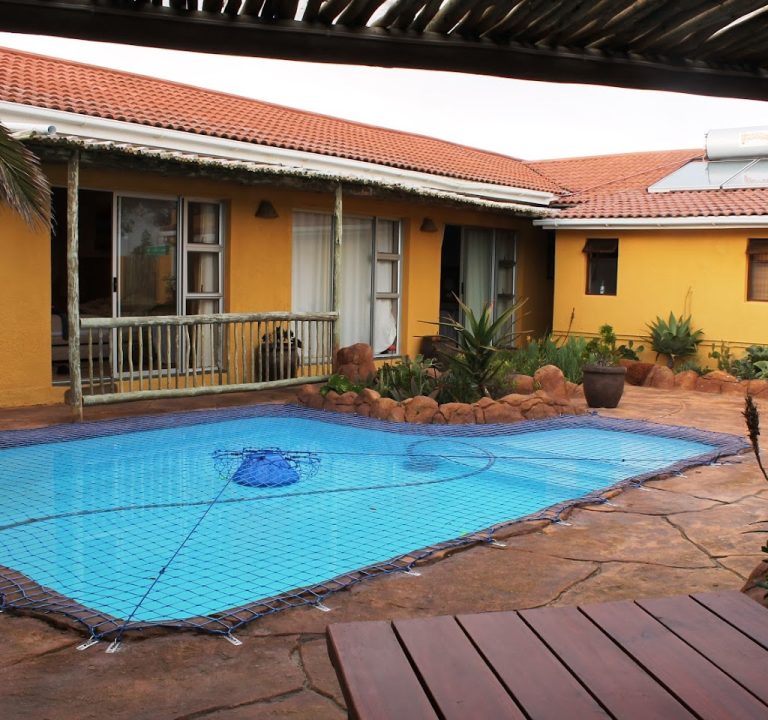
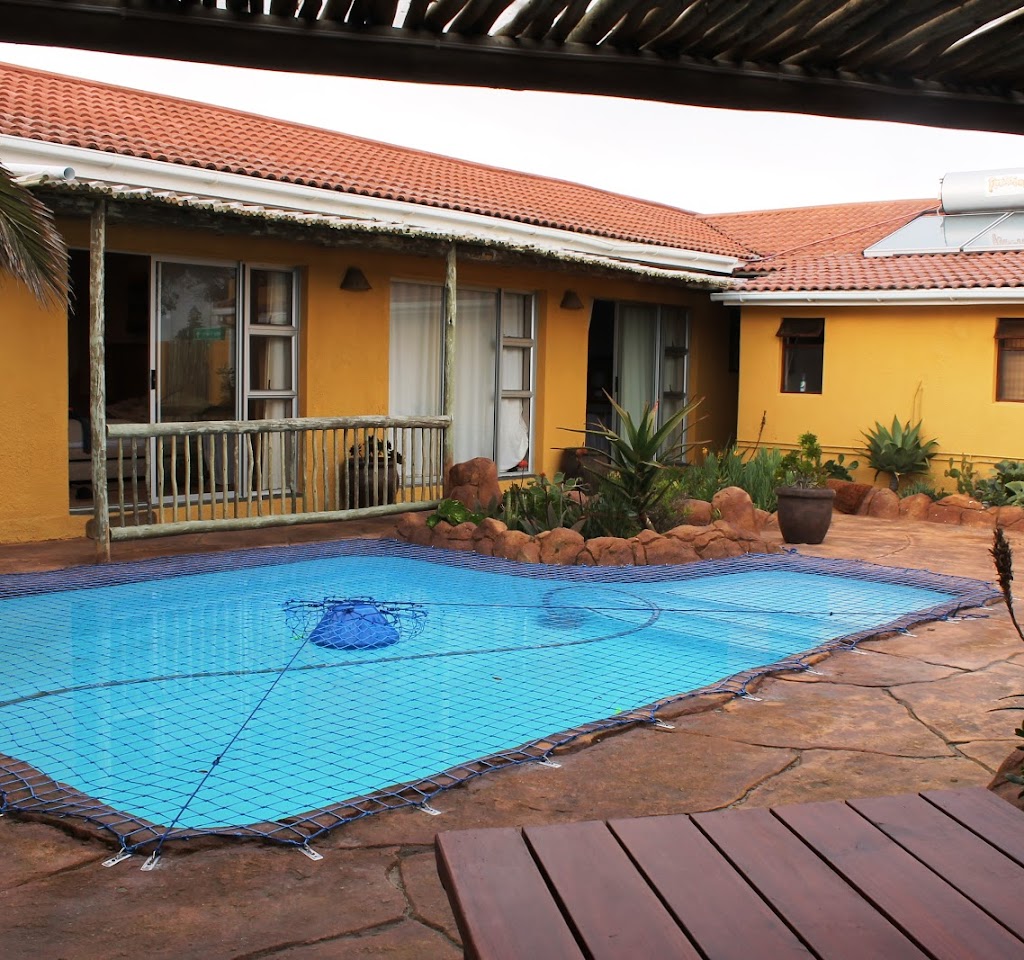
One example of a guest house with a long-standing local character is Flintstones Guest House Cape Town. It presents a homely accommodation option with the convenience of a dedicated website where guests can learn more about rooms, facilities and location. For more information, visit http://www.flintstones.co.za/.
In short, Cape Town rewards careful planning and a flexible mindset. Choose a neighbourhood that aligns with your travel rhythm, book essential experiences in advance where possible, and leave room for spontaneous explorations along the coastline, in the mountains, or through the city’s vibrant precincts. With a comfortable base, easy transport, and a spectrum of sights and tastes nearby, you can craft a stay that feels both relaxing and authentically South African.