Accommodating Cape Town: Where to stay, what to expect, and how to plan your visit
Cape Town offers a diverse tapestry of places to rest your head, from characterful guest houses perched in leafy suburbs to modern hotels with sweeping ocean views. When planning a stay in the Western Cape, consider both the geography of the city and the rhythm of neighbourhoods that suit your travel style. A stay can be a compact city break centred on iconic landmarks, or a relaxed getaway exploring hills, beaches and vineyards across the Cape peninsula.
Neighbourhoods matter as much as the bed itself. The city bowl is ideal for first‑time visitors who want to walk to the vantage points, museums and the historic company gardens, while the central Atlantic Seaboard (including suburbs such as Sea Point and Camps Bay) delivers dramatic coastline, sunlit promenades and a more cosmopolitan dining scene. For a quieter, more residential vibe with quick access to nature, consider leafy southern suburbs or the Constantia valley, where easy day trips to wine estates are part of the appeal. If you’re after a rustic or adventurous pace, the city’s northern and higher‑lying areas provide mountain backdrops and trail access, plus specialist guest houses that emphasise personalised service.
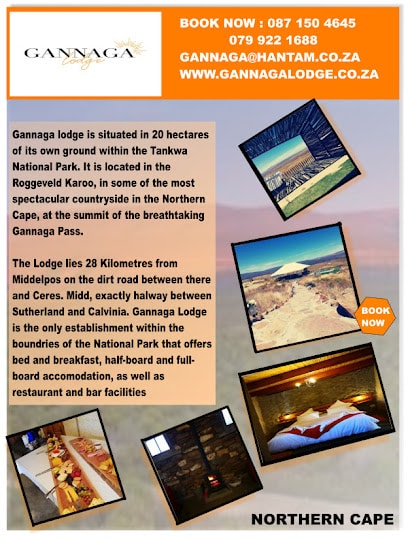
Accommodation options in Cape Town range from intimate guest houses and boutique hotels to self‑catering apartments and larger hotels. Guest houses like GANNAGA LODGE typify a homely, personal approach, often run by families or small teams, with a focus on breakfast options, warm hospitality and a sense of place. When choosing where to stay, look for consistent good reviews on cleanliness, helpful staff, and a hosting style that aligns with your priorities—whether that’s a self‑catering space, a lounge area for socialising, or a feather‑light touch for a romantic break.
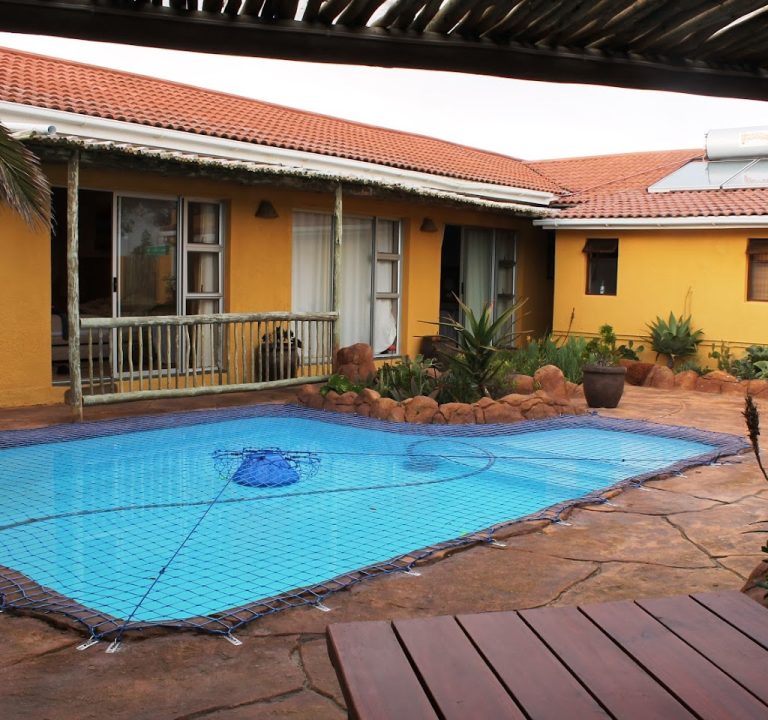
Essential amenities to consider include reliable air‑conditioning or heating, a private or easily accessible bathroom, secure parking, and Wi‑Fi. In many Cape Town guest houses and boutique hotels, thoughtful extras such as a shaded courtyard, a sun terrace, a small pool, or guided local recommendations can significantly enhance your stay. If you’re visiting during peak season, gauge whether the property offers flexible booking terms or a deposit policy that suits your travel plans. For families, ask about child‑friendly rooms, cots, and nearby parks or beaches; for business travellers, check desk space and quiet zones.
Transport is a practical consideration in Cape Town. If you’re staying in or near the city centre, you may be able to explore on foot or by short rides to many attractions. For broader exploration—such as the Cape Peninsula, Constantia wine routes, or nearby beaches—rental cars provide the most flexibility. Some guest houses offer shuttle services or partnerships with local operators for guided tours, which can be convenient when you want to optimise time and skip logistical hassles. When planning your travel between sights, remember Cape Town’s traffic can be variable, and the coastal road offers spectacular views but may require careful timing to avoid delays.
The best time to visit Cape Town depends on your priorities. Summer (December to February) brings long days, outdoor activities, and vibrant markets, but it is also peak season with higher prices. Shoulder seasons in spring (September to November) and autumn (March to May) often deliver milder weather, fewer crowds, and better value for accommodation. Winter (June to August) is cooler and wetter, yet it can still be a rewarding time to enjoy museums, galleries, wine estates and coastal scenery in a different light. If you’re chasing wildflowers, spring is particularly spectacular in the region around the surrounding countryside.
What to look for when booking and planning your stay:
- Location relative to your planned activities: city sights, beaches, or wine estates, with easy access to safe transport options.
- Amenities that match your needs: secure parking, reliable Wi‑Fi, breakfast options, and on‑site facilities such as a pool or lounge area.
- Property type and atmosphere: choose a guest house for a personal touch, a boutique hotel for stylish interiors, or self‑catering stays for flexibility.
- Host support and local knowledge: friendly hosts or concierges can tailor recommendations for dining, routes, and hidden gems.
- Safety and accessibility: well‑lit areas, privacy, and clear access routes, particularly if you plan to explore after dark or with family.
When it comes to dining and experiences, Cape Town offers a wealth of options without fixed claims of awards or prices. Town‑centre eateries, harbourside venues, and winelands restaurants provide regional flavours and seasonal menus. For a balanced stay, mix laid‑back meals with a couple of special occasions—sunset drinks on a terrace, casual seafood by the shore, and a guided city walk or a short nature excursion. Always check current operating hours and whether reservations are recommended, especially during weekends and holiday periods.
Useful planning tips:
- Book in advance for popular periods, but verify cancellation policies and possible refunds if plans change.
- Balance your days with downtime in your accommodation to recharge after long days of sightseeing.
- Keep a flexible itinerary to accommodate weather and local recommendations.
- Consult official tourism resources for up‑to‑date information on attractions, seasonal events, and safety advisories.
Cape Town’s varied landscapes—from the iconic Table Mountain to pristine beaches and verdant valleys—make it straightforward to design a stay that suits your pace. Whether you choose a characterful guest house such as GANNAGA LODGE or a chic city hotel, planning around location, amenities and transport will help you make the most of your time in the Western Cape. For further inspiration and practical planning, you can explore official tourism resources at trusted websites for Cape Town and the wider region: Cape Town Tourism.