Cape Town: Accommodation, Planning and Experiences for a Memorable Stay
Cape Town, set between the iconic Table Mountain and the Atlantic Ocean, offers a diverse range of places to stay that suit travellers of all budgets. From social hostels and characterful guesthouses to modern hotels near the V&A Waterfront, there are lodging options that balance affordability with a comfortable base for exploring the city. When selecting where to stay, think about what you plan to do, how you will get around, and the atmosphere you want to wake up to each morning.
Neighbourhoods and what they offer. The City Bowl and the foreshore provide central access to museums, markets and a lively dining scene. If you want easy beach access and a glamorous backdrop, Camps Bay and Clifton offer stylish stays with sea views and a relaxed vibe, though they can be pricier in peak season. Woodstock and Observatory are popular with independent travellers seeking a more laid‑back, characterful stay with quick access to the city centre. Constantia and the southern suburbs are ideal for those who prefer a scenic, quieter environment, with easy day trips to wine estates and the southern coast.
What to look for when booking. Consider the proximity to the sights you most want to visit, and whether the property offers a reasonable commute to other parts of the city. Check the level of security, the availability of common spaces where other guests can mingle, and whether there are self‑catering options or a shared kitchen. If you value inclusions, look for places that offer breakfast, free Wi‑Fi, laundry facilities or luggage storage. Reviews can reveal how friendly the staff are, how accurate the listing is, and how well the property handles peak season demand.
Typical amenities you may encounter. Many hostels and guesthouses in Cape Town provide a practical mix of dormitories or private rooms, secure storage, and communal areas such as kitchens and lounges. Free or paid parking can be important if you are hiring a car to explore further afield, such as the Cape Peninsula or Boulders Beach. Access to reliable hot water and strong Wi‑Fi is often crucial for travellers who are working remotely or uploading photos after a day on the peninsula. Some properties offer curated local experiences, like guided walks, market visits, or tips on lesser‑known viewpoints and eateries.
Transport and getting around. The city is well served by a mix of public transport and ride‑hailing options. The MyCiTi bus network links the airport with major districts and is a convenient choice for budgeting travellers, though some routes may be more practical than others depending on your itinerary. For door‑to‑door convenience, ridesharing apps are widely used, while rail links are useful for certain day trips beyond the city, such as to nearby towns. When planning a daily schedule, account for traffic variability and peak season crowds around popular attractions. If you’re staying in a more scenic area, a short Uber or taxi ride to the city and the coast can be a sensible balance between cost and time.
Best time to visit. Cape Town’s climate is Mediterranean, with warm, dry summers and mild, wet winters. The peak visitor months tend to be from late spring to early autumn, when tablescapes, beaches, and outdoor markets are in full swing. Shoulder seasons can offer more available accommodation and lighter crowds while still delivering pleasant conditions for outdoor activities such as hiking, coastal drives, and garden visits. If you plan to hike or explore the Cape Peninsula, start early to make the most of cooler morning hours and to avoid afternoon crowds.
Planning a stay: practical tips. Reserve well in advance for high season and special events, especially if you favour a particular neighbourhood. Consider whether you want an accent on social atmosphere or quiet comfort, and choose a property that aligns with that preference. Pack layers for changing weather, and bring a compact jacket for cooler evenings on the coast. If you are driving, confirm parking arrangements and any access restrictions, as some areas have limited or paid on‑street parking. For guests who want to explore beyond the city, look for properties that can help you arrange day trips or provide local recommendations for both iconic sights and hidden gems.
Attractions and dining in general terms. Cape Town offers spectacular natural scenery alongside world‑class dining and vibrant neighbourhoods. In and around the city, you can expect dramatic viewpoints, historic districts, and iconic drives along the coast. While specific restaurants and venues can vary, many areas boast a mix of casual eateries, markets, and refined dining experiences that showcase South African flavours and international influences. For a balanced day, combine a morning cultural or outdoor activity with an afternoon stroll through markets or along the waterfront, followed by a meal at a venue that matches your preferred atmosphere—whether laid‑back and sociable or stylish and intimate.
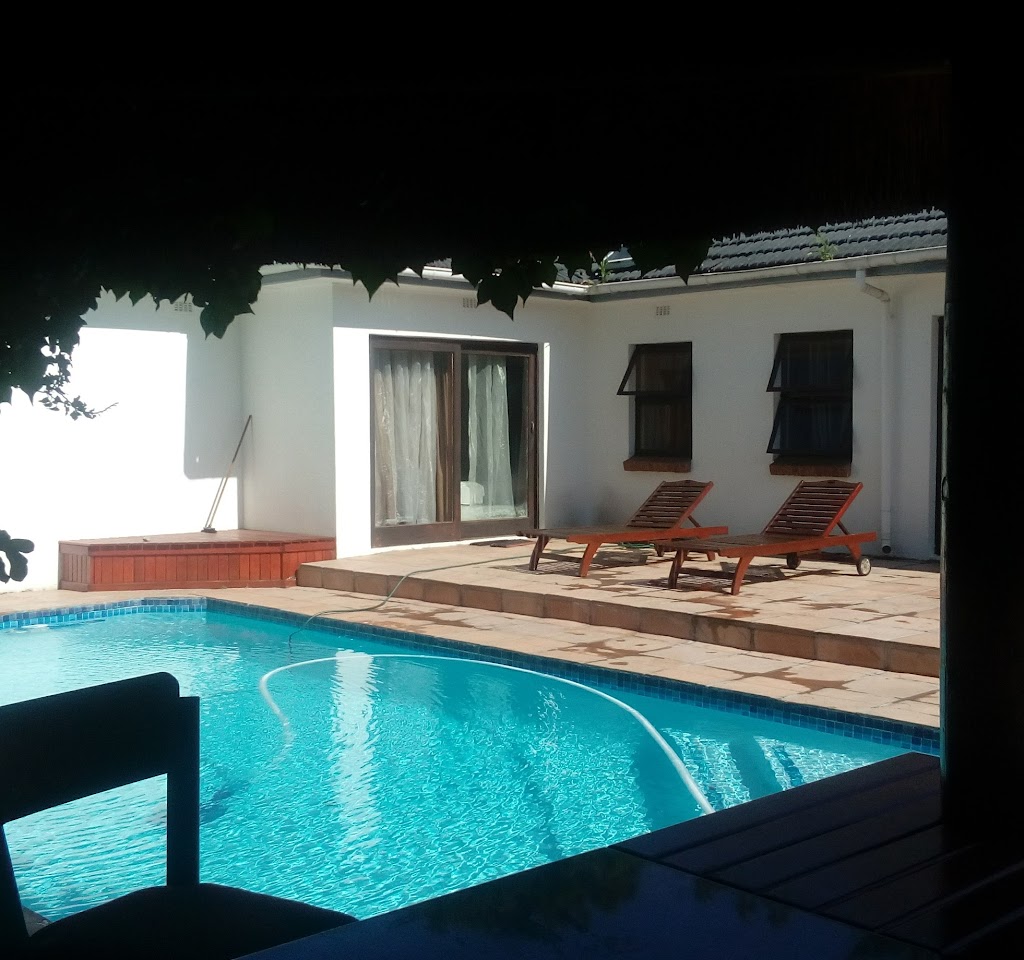
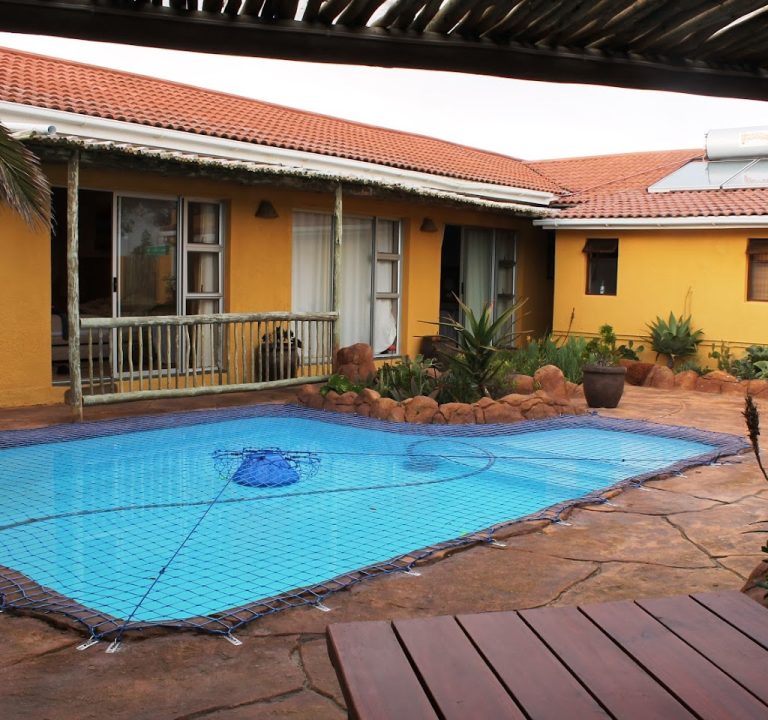
One practical note for travellers staying at properties like Cape Town Palms or similar hostels is to treat your base as a hub for day trips. Use early mornings for outdoor activities, and save evenings for a relaxed walk in a neighbourhood, a casual bite, or a local market browse. With planning, you can enjoy a comfortable stay that balances restful nights with the energy and discovery that Cape Town uniquely offers.