Accommodation and experiences in Cape Town, Western Cape
Cape Town offers a compelling mix of accommodation styles that cater to varied budgets and travel rhythms, from intimate guest houses to stylish boutique hotels. A stay centred around districts such as the Atlantic seaboard, the city bowl, the Constantia Valley, or the harbour precinct can shape your daily plans, tips, and pace. For a guest house experience with a personal touch, consider properties like Cape Lagoon Villa, where neighbourhood charm and thoughtful hospitality can frame a relaxed arrival and a door into the city’s wider appeal.
When planning where to stay, think about access to transport, proximity to attractions, and the character of the neighbourhood. The city bowl puts you within easy reach of cultural sites, cafés, and nightlife, while the Atlantic seaboard offers coastal scenery, longer beach walks, and upscale dining. Constantia provides vineyard views and a tranquil mood, ideal for slower mornings and beautiful garden spaces. The V&A Waterfront area blends shopping, eateries, and harbour views, with convenient access to boat tours and excursions. If you are travelling with family or seeking a quieter base, suburbs a little further from the immediate tourist hubs can still provide quick routes into the city centre via the MyCiti bus network or ride-hailing apps.
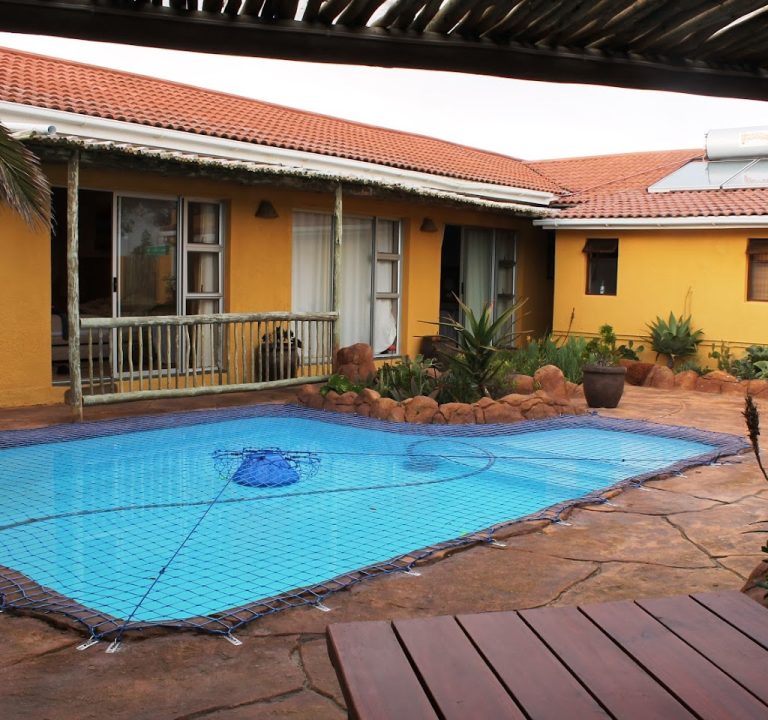
Typical amenities to look for when booking include reliable self-catering options or generous breakfast provisions, secure parking, free Wi‑Fi, and flexible check-in arrangements. Many guest houses in Cape Town pair rooms with shared lounge spaces, well-equipped kitchens, or sunny verandas where you can unwind after a day of exploring. For longer stays, a well-equipped kitchenette, a pool or outdoor space, and laundry facilities can make a significant difference to comfort and convenience. If you value personalised recommendations, seek hosts who offer local tips on day trips, markets, and lesser-known beaches.
Booking tips to help you secure a good stay:
- Read recent guest reviews to gauge consistency in cleanliness and service, especially during peak seasons.
- Check transport options and parking arrangements, as some areas have limited on-street parking or require parking permits.
- Clarify breakfast provisions, dietary options, and whether on-site dinner or picnic arrangements are available.
- Confirm access to a private workspace or reliable Wi‑Fi if you need to work remotely during part of your trip.
- Ask about sun exposure, room layout, and security measures to match your comfort and privacy needs.
When it comes to planning daily itineraries, Cape Town’s geography rewards a balanced mix of mountain views, coast, and city life. A practical approach is to dedicate mornings to a sunrise walk up or around a notable peak or coastal route, followed by a late breakfast or brunch at a nearby café. Afternoons lend themselves to museum visits, markets, and a scenic drive along the coast to viewpoints and beaches. Evenings can be spent exploring vibrant dining scenes or returning to a quiet terrace for a sunset drink. For those who enjoy outdoors, a trip to the renowned national parklands outside the city offers hiking, wildlife, and cascading scenery without needing to travel far from your base.
Transport in Cape Town is user-friendly for visitors who plan ahead. A combination of ride-hailing apps, reputable tour operators, and scheduled city services can simplify transfers between accommodation, attractions, and dining. If you prefer not to drive, look for stays near major bus routes or within easy walking distance of key precincts. Weekends can be busy, so consider booking popular activities in advance or asking your host for preferred operators and times to avoid queues.
Best time to visit Cape Town depends on your priorities. The city enjoys mild winters and warm summers, with spring and autumn often offering comfortable temperatures for outdoor pursuits. Coastal winds can influence beach days and outdoor activities, so check local forecasts and plan indoor alternatives for windy periods. For those seeking outdoor adventures, winter and shoulder seasons can be ideal for fewer crowds while still delivering scenic views and excellent photography opportunities. Springtime also brings colourful landscapes to the surrounding nature reserves and gardens, which many guests find especially rewarding.
Attractions and experiences, in broad terms, span iconic landscapes, cultural enclaves, and gastronomic scenes. Expect opportunities to take in sweeping mountain panoramas, discover historic sites, and sample dishes that showcase regional produce and multicultural influences. Restaurant experiences often focus on fresh seafood, grilled fare, and contemporary South African cuisine, complemented by wines from nearby vineyards. Tours range from guided coastal walks and boat trips to curated city walks and market visits, each offering a different lens on Cape Town’s heritage and daily life.
Practical top tips for travellers staying in guest houses or boutique stays:
- Pack an adaptable wardrobe to cover warm days and cool evenings, especially near the coast where breezes pick up late in the day.
- Water safety is important at coastal beaches—observe lifeguard flags and heed local guidance.
- Respect quiet hours and shared spaces in guest houses to maintain harmony with hosts and fellow guests.
- Bring a small power adapter suitable for South African outlets, and charge devices in advance when possible.
- Plan a flexible itinerary with a mix of activities and downtime to absorb Cape Town’s distinctive rhythm.
For inspiration and practical planning tools, visit official tourism resources and curated travel guides. A well-chosen base in Cape Town, paired with thoughtful planning and reputable operators, can unlock a memorable blend of landscapes, culture, and flavours, making your stay both comfortable and energising.