Accommodation and Experiences in Cape Town: Planning a Memorable Stay
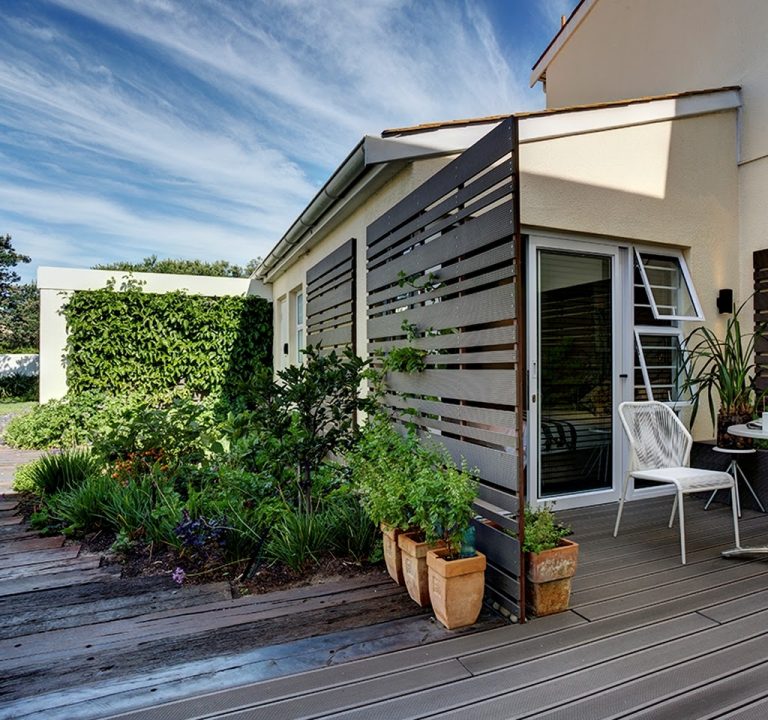
Cape Town is a destination that rewards careful planning and flexible thinking. From sunlit Atlantic beaches to verdant hills and vibrant harbour districts, the city offers a wide range of stays that suit different itineraries and budgets. One notable option is Kasavan Standard Suite, a homestay characterised by a welcoming atmosphere and a convenient location for exploring the city’s southern neighbourhoods. Whether you prefer a stylish apartment, a cosy guesthouse, or a boutique hotel, a thoughtful approach to booking can help you maximise your time and comfort.
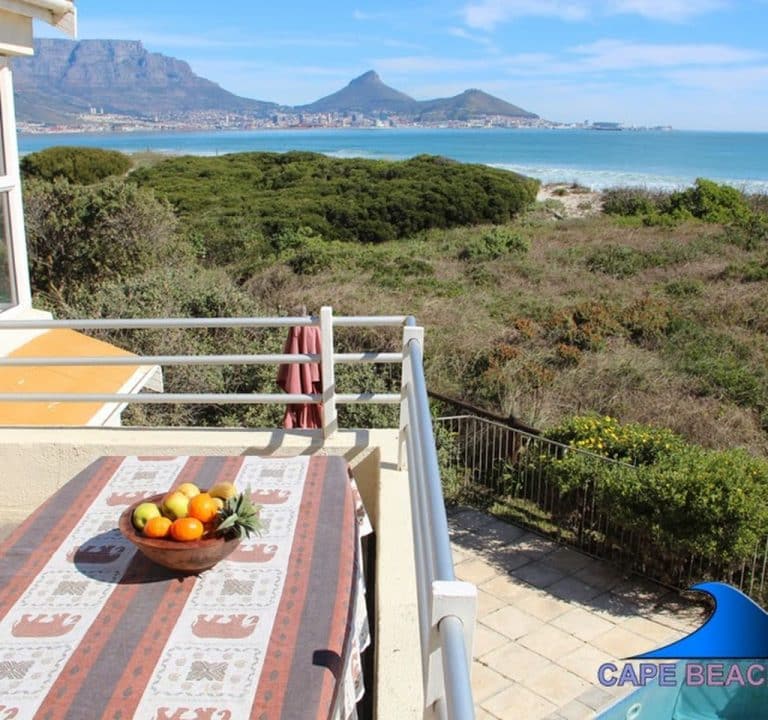
When choosing where to stay, consider the feel of the neighbourhood and how it fits your plans. The City Bowl and the adjacent Green Point area are popular for their central access to top attractions, restaurants, and nightlife, while the Atlantic Seaboard offers dramatic coastal scenery, longer strolls along the promenade, and sea views. Constantia appeals to visitors seeking a quieter, leafy setting and easy access to wine estates, while Woodstock and neighbouring precincts have undergone a revival with contemporary cafés, galleries and creative spaces. Think about how you’ll move around: Cape Town’s compact core is walkable in places, but many sights are spread across the greater metropolitan area, so proximity to reliable transport matters as much as charm.
Key features to look for in a booking include complimentary wi‑fi, a comfortable bed, en suite or private bathroom, heating or air conditioning, and secure parking if you’re driving. Breakfast can be a nice start to the day, especially if you’re visiting in cooler months; some properties offer a kitchenette or self-catering facilities for longer stays. Accessibility matters for some travellers, so check entrances, lifts, and room layout if you have specific requirements. For families or groups, consider the layout of rooms and whether communal spaces are available for socialising without compromising privacy.
Transport in Cape Town is practical but varied. The MyCiTi bus network provides city-wide connections with straightforward routes between major hubs, while Uber and licensed taxis offer door-to-door convenience. If you plan to explore beyond the city, renting a car gives you the freedom to visit Cape Point, Constantia’s vineyards, or coastal towns at your own pace. Do your research about parking at your chosen property—some boutique stays and homestays offer off-street parking, while others provide limited options nearby.
When to visit depends on what you wish to do. The summer months (November to February) bring long days and calmer seas for beach days and outdoor escapes, albeit with higher tourist numbers. Winter (June to August) is cooler and shouldering the city’s wetter season, but yields fewer crowds at popular sights and a different light for photography. Shoulder seasons can offer a comfortable balance of pleasant weather and reasonable prices. Regardless of when you go, plan for the outdoors: a morning hike up Table Mountain (weather permitting) or a walk along the promenade can be rewarding at any time of year.
Attractions in and around Cape Town run the gamut from nature to culture. You can expect to encounter iconic natural scenery, world-class viewpoints, and heritage sites that reveal the city’s diverse story. Within the city, the waterfront area provides a mix of shops, eateries, and galleries, while Table Mountain offers dramatic panoramas from within a cable car ride or a hike. Nearby coastal towns and nature reserves present opportunities for wildlife watching, coastal trails, and picturesque drives. For a balanced plan, map a day for a sunrise or sunset view, a mid‑day visit to a landmark, and an evening meal at a well-regarded restaurant in a lively district.
Foodies will find Cape Town offers a broad spectrum of dining styles—from casual bistros and market stalls to refined tasting menus. Expect fresh seafood, farm-to-table ingredients, and global influences. Many eateries emphasise hospitality and a sense of place—whether you savour harbour views, a modern inner-city setting, or a quiet garden courtyard. It is advisable to make reservations for popular spots, especially during peak seasons, and to check if menus accommodate dietary preferences in advance. Short, friendly menus and seasonal options are common, reflecting the city’s emphasis on fresh ingredients.
Practical tips to help you plan your stay:
- Research the area you’ll be in and its proximity to the sights you want to visit.
- Check transport options and parking arrangements before booking.
- Confirm basic inclusions such as breakfast, Wi‑Fi, and heating or cooling in your room.
- Look for flexible booking policies in case plans change.
- Keep a note of local weather patterns to decide what to pack for your chosen dates.
- Explore a mix of experiences beyond the standard tourist routes, such as markets, coastal walks, and small galleries for a more rounded feel of the city.
For ideas on planning and to explore official information on places to stay and see in Cape Town, you can visit the local tourism site, which offers practical guidance and inspiration for different districts and budgets. If you are considering a stay with Kasavan Standard Suite, look for guest reviews and property descriptions that highlight the homestay’s location, hosts’ recommendations, and the level of personal touch you can expect during your visit. With thoughtful preparation, Cape Town can deliver a memorable blend of scenery, culture, and hospitality that suits both solo travellers and families alike.
To begin planning your Cape Town break, explore the official tourism resources and a range of accommodation options that match your priorities for comfort, location, and experience. Cape Town Tourism provides guidance on districts, attractions, and practical travel tips, helping you shape a stay that feels both effortless and enriching.