Staying in Cape Town: where to stay, what to plan, and how to make the most of your visit
Cape Town offers a remarkable mix of accommodation styles, from boutique B&Bs tucked into tree-lined streets to contemporary hotels with sea views and self‑catering apartments near the harbour. When planning a visit, consider how you want to spend your days and what areas align with your interests, transport needs, and budget. The city’s surroundings—such as the Atlantic Seaboard, the City Bowl, Constantia, and the Cape Peninsula—each offer a distinct atmosphere, so choosing a base that minimises daily logistics can make a substantial difference to your experience.
Areas to consider when booking include:
- City Bowl and the foreshore: central for easy access to museums, theatres, markets, and iconic viewpoints. Walkable streets, a lively dining scene, and quick access to hop-on-hop-off tours or modern public transport.
- Atlantic Seaboard (Sea Point, Green Point, Camps Bay, Clifton): renowned for coastal walks, long beaches, and sunset views. Ideal for guests prioritising sea air, outdoor activities, and stylish eateries.
- V&A Waterfront and De Waterkant: great for contemporary comfort, waterfront strolls, and a wide range of dining options, with convenient access to tours and ferries.
- Constantia and the Southern Suburbs: for quieter stays with easy access to wine estates, gardens, and upscale dining—perfect for a relaxed, family-friendly break.
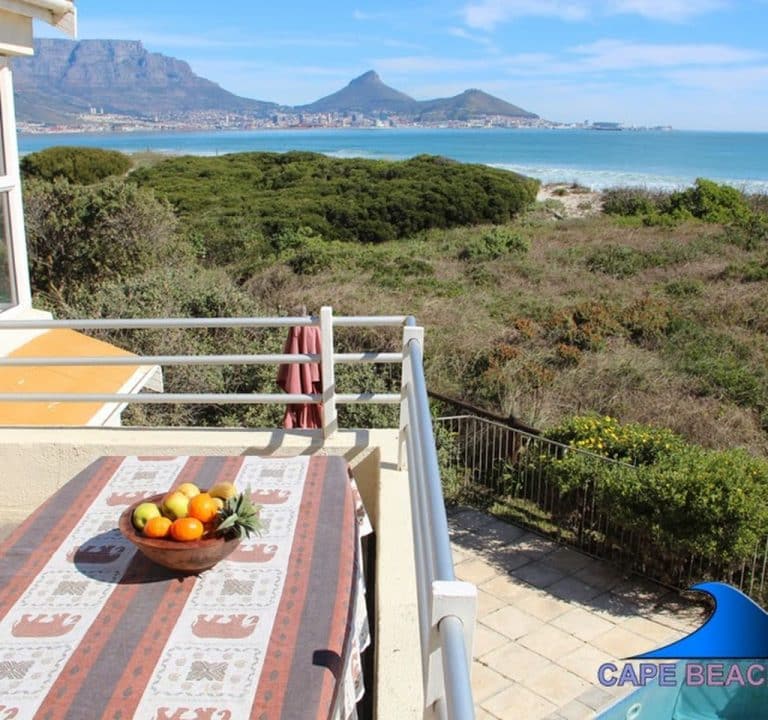
- Woodbridge Island and Milnerton: a quieter harbour-side neighbourhood with easy routes to the airport, northern beaches, and modern apartments or guesthouses offering calmer surroundings and scenic views.
When you book, look for a few practical features that can enhance your stay. A reliable full breakfast or self‑catering facilities can save time and money, while on-site parking is particularly valuable if you are planning day trips along the coast or into the mountains. Free, fast Wi-Fi is almost essential for planning excursions, sending postcards, or streaming after a day outdoors. A comfortable, well‑equipped room with good sound insulation helps you recover after long days of exploring. If you are visiting with family or a small group, multi-bedroom suites or apartments with kitchenette facilities can offer flexibility and value.
Transport in and around Cape Town is straightforward but varies by area. The MyCiTi bus network covers many central routes and tourist corridors, while Uber and other ride-hailing apps are widely used for short hops and evening outings. If you intend to explore the Cape Peninsula or winelands, a rental car gives you the most freedom, but plan for hills, winding lanes, and occasional parking restrictions in popular areas. Some accommodation providers offer shuttle services or can arrange guided tours, which can be a convenient alternative to driving yourself.
The best time to visit Cape Town is influenced by weather, crowds, and how you want to balance outdoor activities with downtime. Spring (September to November) brings mild temperatures and blooming Kirstenbosch gardens, while autumn (March to May) often provides sunny days with fewer crowds. Summer (December to February) is peak season, with longer days and warmer seas, though it can be busy. Winter (June to August) is cooler and wetter, but the city’s indoor attractions—mafikeni markets, museums, and restaurants—are lively and welcoming. Regardless of season, early mornings tend to be the quietest for iconic sites such as Table Mountain or the Garden Route’s natural hideaways, and late afternoons provide dramatic light for photography along the coastline.
When evaluating accommodations, consider proximity to attractions you are most drawn to, as well as the ease of access to planned tours. You may wish to stay near the V&A Waterfront for a day of shopping and harbour cruises, or choose the Constantia Valley if a wine-tuel day is high on your itinerary. For nature and panoramic views, consider lodges or guesthouses on the slopes around Signal Hill or in the Table Mountain National Park foothills. If water-based activities appeal, a stay on the Atlantic Seaboard or near Milnerton can provide convenient launches for boat trips and coastal walks.
Food and dining are an integral part of the Cape Town experience. The city’s restaurants span casual eateries and fine dining, with menus that feature fresh seafood, farm-to-table produce, and vibrant global influences. In most hotel and guesthouse areas, you’ll find a range of eateries within a short stroll or a brief ride, from trendy cafes to established bistros and international cuisine. For something local, seek out venues offering Cape Malay flavours, grilled seafood, and dishes that showcase South Africa’s diverse culinary heritage. It is wise to book ahead for popular spots during peak season, especially on weekends.
Practical tips for a smooth stay:
- Check the property’s parking arrangements and whether security measures are in place for peace of mind.
- Ask about walkability to preferred sights and the convenience of public transport options from your base.
- Clarify check‑in times, whether self‑check‑in is available, and what to do if you arrive outside normal hours.
- In coastal areas, confirm access to beach towels, sun loungers, and shade; in Constantia or the hills, verify heating or cooling options for varying weather.
- Look for properties with clear cancellation policies in case your plans shift, especially during shoulder seasons.
For further inspiration and practical planning, visit official tourism resources and city guides that cover Cape Town’s accommodation options, transportation tips, and seasonal highlights. A well-chosen base will anchor your itinerary, letting you enjoy the dramatic scenery, iconic viewpoints, and an array of experiences that define a memorable stay in Cape Town.