Accommodating Cape Town: where to stay, what to expect, and how to plan your visit
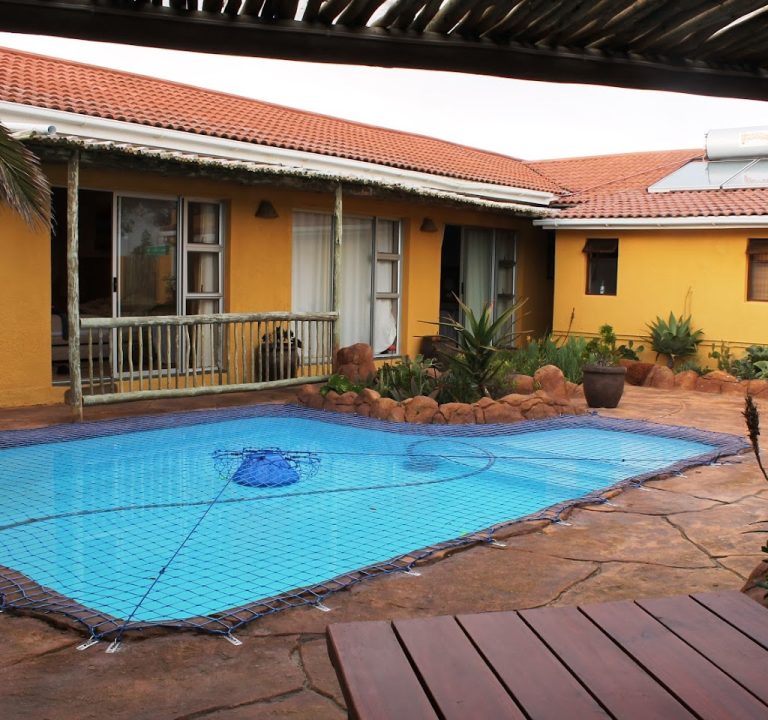
Cape Town is a versatile base for travellers exploring South Africa’s Western Cape. From atmospheric guesthouses in historic neighbourhoods to modern boutique hotels near the V&A Waterfront, the city offers a wide range of options to suit different budgets and travel styles. When planning a stay, think about your priorities: sea views, proximity to neighbourhoods with easy access to sights, or a quieter retreat away from the busiest streets. Villa V, a guest house in a convenient location, is one example of how thoughtful accommodation design can balance comfort with convenience. You can learn more about options like Villa V through its dedicated website.
Where to stay matters as much as what you want to do. Areas close to the City Bowl and the Atlantic Seaboard are popular for access to museums, fine dining, and striking coastal scenery. If you prefer a more relaxed, village-like atmosphere with easy access to beaches and scenic drives, the southern suburbs and coastal towns offer a different flavour. For a truly scenic stay, consider places within a short drive of the Table Mountain cableway or the dramatic coastline, where guest houses and lodges often provide warm hospitality and a cosy base after day trips.
Typical accommodation formats include guest houses, boutique hotels, and well-appointed self-catering apartments. In guest houses, you’ll usually find personalised service, a hearty breakfast, and intimate communal spaces. Look for hosts who can offer local tips—such insider knowledge can make a big difference to your itinerary. Common amenities include free Wi‑Fi, secure parking, en-suite bathrooms, air conditioning or underfloor cooling for summer, and heating for cooler evenings in the mountain air. Some properties may feature additional touches such as a shared lounge, a garden, or a small plunge pool. When booking, verify what’s included in breakfast and whether there are options for dietary needs or flexible arrival times.
Transport options in Cape Town are a practical consideration. If you plan long days of sightseeing across the peninsula, a rental car offers maximum flexibility. For those content to stay within city limits or along the coast, options like Uber and licensed taxis, as well as reliable bus services, can be convenient. Proximity to a Metro station or main bus routes can significantly cut travel time. If you’re staying near the city centre, you’ll often be within walking distance of cafés, markets, and cultural venues, making a car less essential. When selecting a base, weigh the convenience of public transport against the comfort of a quieter neighbourhood with its own character and characterful eateries nearby.
The best time to visit Cape Town depends on your priorities. In the summer months (roughly November to February), you’ll encounter longer days, warmer seas, and peak outdoor activity. Winter (June to August) brings milder temperatures, dramatic cloud patterns over Table Mountain, and the chance to find quieter streets and better-value accommodation. Spring and autumn can offer a balance of pleasant weather and shoulder-season rates. If you’re aiming to combine a beach break with sightseeing, plan for mornings on the waterfront or along the Atlantic beaches, and use afternoons for museums or a short scenic drive up the mountain.
When planning an itinerary, consider combining natural beauty with cultural and culinary experiences. Cape Town’s surroundings include renowned viewpoints, marine reserves, and iconic landscapes. Dining districts around the city offer a broad spectrum of flavours, from modern South African to international cuisine. Rather than relying on one signature restaurant, look for multi-course menus or seasonal tasting options that showcase local ingredients. Many venues prioritise sustainability and locally sourced produce, which can enhance the flavour and experience of a meal without the need for extravagant price tags.
Practical tips to help you book and enjoy your stay:
- Read recent guest reviews to gauge consistency in cleanliness, service, and value for money.
- Check the cancellation policy and whether breakfast or other meals are included.
- Ask hosts about tips for travel timing to popular spots to avoid crowds, such as early mornings for hikes or photography.
- If you’re visiting Table Mountain, consider booking in advance for the cableway or plan a self-guided hike with weather awareness.
- Bring or borrow a light layer for cooler evenings, especially near the coast where wind can be brisk.
Beyond accommodation, there are numerous attractions and experiences to enrich your stay. You can enjoy scenic coastal drives, nature reserves, and markets offering handmade goods and local produce. While it is best to verify current opening hours and accessibility, many visitors enjoy a mix of outdoor exploration, harbour views, and leisurely meals in diverse neighbourhoods. When venturing out, allow time for flexible margins in your schedule to accommodate changing weather or opportunities to explore a new street market or a hidden cafe.
Villa V provides a welcoming example of a guest house that combines comfortable rooms with a thoughtful approach to guest experience. For more information about this option and to explore similar stays, visit the property’s website at http://villav.southafricahotels.website/.