Johannesburg: Accommodation, attractions and planning your stay in Gauteng
Johannesburg, often simply called Jo’burg or Jozi, is a dynamic gateway to Gauteng’s culture, history and modern energy. When planning a stay, the city offers a broad range of options—from stylish boutique lodges and family-friendly guesthouses to contemporary hotels and design-forward apartments. Think about your interests, budget and pace of travel, and you’ll quickly identify districts that suit you best and the kinds of lodgings that will feel most at home.
Areas to consider include Sandton for a polished, business-oriented stay with easy access to shopping and modern amenities; Rosebank and the northern suburbs for stylish accommodation, convenient transport links and a more relaxed, residential feel. In central Johannesburg you’ll find heritage apartments, boutique guesthouses and lodges that place you close to museums, markets and a growing culinary scene. For a more urban, lively atmosphere with a neighbourhood feel, consider Melville or Linden, where guesthouses and small hotels often offer personalised service and a sense of community. If you’re after a quieter, leafy stay with easy road access to the city and beyond, northern suburbs such as Fourways or Randburg provide modern lodging and family-friendly options. By prioritising proximity to the places you want to visit—and the transport options you prefer—you can make the most of your time in Gauteng.
When booking, look for practical features that smooth your stay. A comfortable bed, good lighting for work or reading, reliable Wi‑Fi, a well-equipped kitchenette or coffee facilities, and clear information about check‑in and check‑out times are all worth considering. If you’ll be exploring by car, confirm on-site parking or nearby spaces. For those relying on public transport, check how close the property is to Gautrain stations or major bus and taxi routes. Collect a sense of the neighbourhood from guest reviews: safe neighbourhoods, easy access to amenities such as supermarkets, cafés and laundromats, and host or staff responsiveness all contribute to a stress‑free stay.
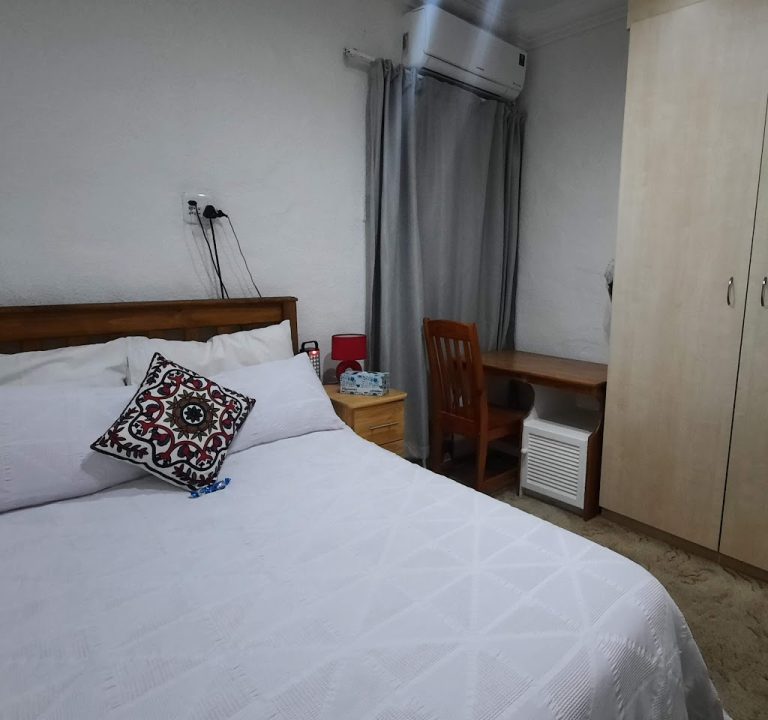
Typical amenities vary by property, but you can expect a strong emphasis on comfort and convenience. Many lodges and guesthouses in Johannesburg provide daily housekeeping, secure parking, and thoughtful touches such as blackout curtains, fans or heaters, and well‑appointed en suite bathrooms. Some properties offer communal lounges, rooftop decks or garden spaces for relaxation after a day of sightseeing. Breakfast is a common inclusion, with options ranging from light continental selections to full, hot breakfasts. If you have dietary needs, it’s worth clarifying in advance or choosing a property known for accommodating guests with special requirements. For longer stays, self‑catering facilities or access to a shared kitchen can be a practical advantage.
Best time to visit Johannesburg aligns with the wider Southern African calendar. The city has a temperate climate with warm summers and mild winters. For outdoor activities and day trips, spring (September to November) and autumn (March to May) are often pleasant, offering long daylight hours and comfortable temperatures. If you’re visiting for city events or to access outdoor markets and parks, planning around weekends can help you experience the most vibrant side of Jo’burg. Rain is most likely in the summer months, so pack a light waterproof layer if you’re exploring parks, reserves or open-air venues during this period.
Getting around is straightforward with several practical options. A car gives you freedom to explore Johannesburg and the wider province at your own pace, while rideshare apps and taxis are convenient for shorter journeys or evenings out. The Gautrain network provides a fast link to Pretoria and the airport area from certain city hubs, with local connections to key districts. If you’d rather stay car‑free during your stay, choose accommodation that’s well connected to public transport routes and central attractions. Walking is feasible in compact areas such as the central business district’s precincts, plus certain suburban villages where streets are pedestrian-friendly and safe in daytime hours.
When considering experiences and dining, you’ll find a diverse, evolving offering across the city. General attractions tend to be anchored by history, culture and nature, with markets, museums and public spaces offering insights into South Africa’s rich narrative. Restaurants span everything from modern South African cuisine to international fare, including casual cafés and establishments that focus on fresh, seasonal ingredients. Instead of fixed names or prices, look for busy, well-reviewed venues that align with your tastes and budget, and consider reservations for peak periods. Short guided tours, art walks, and lodge-hosted experiences can add depth to your stay without requiring detailed prior planning.
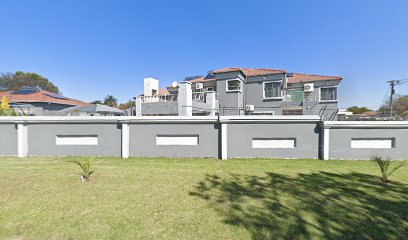
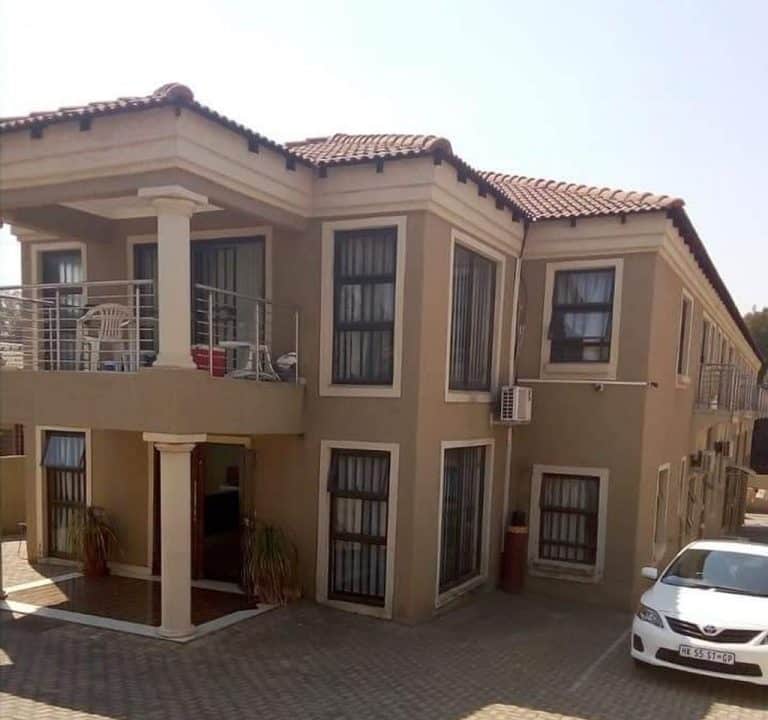
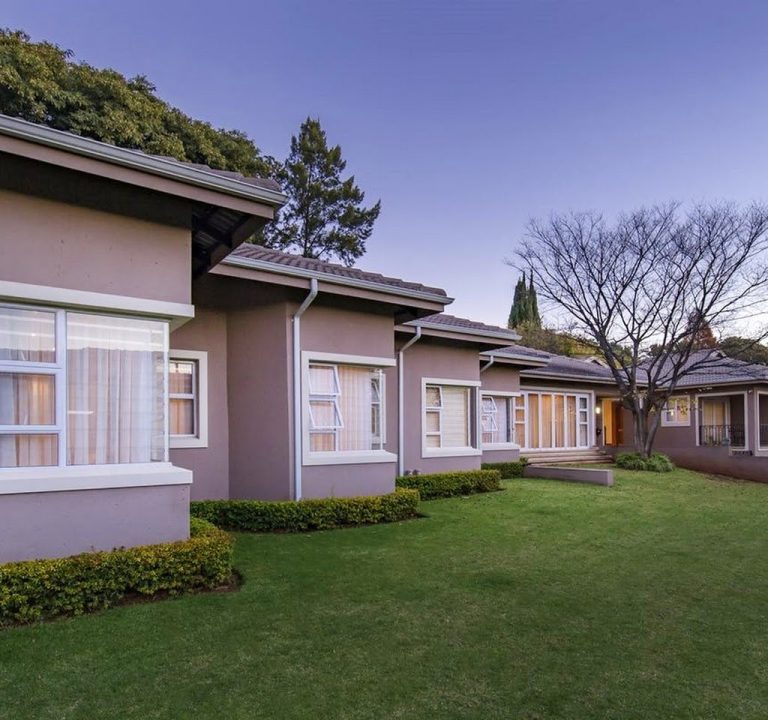
One example of a lodge option you might encounter in Johannesburg’s accommodation mix is Esibayeni Guesthouse, a lodging choice that illustrates the range of options available—from intimate, locally run properties to larger, more contemporary stays. Such lodges often offer personalised service and a sense of place, helping guests connect with neighbourhoods, markets and local routes.
Practical planning tips:
- Plan your itinerary with a rough daily rhythm: cultural sites in the morning, a relaxed lunch, then a stroll or a market visit in the afternoon.
- Confirm parking, security measures and access times for late arrivals.
- Check whether breakfast or self‑catering facilities are included, and note nearby grocery options for snacks and lunches.
- Ask hosts or front desk staff about safe walking routes and preferred transport options for evenings.
- Have a lightweight map or offline directions for areas with limited mobile signal.