Johannesburg: Where to stay, how to plan your visit, and what to do
Johannesburg, often known as Joburg or Jo’burg, is a vibrant gateway to Gauteng’s contrasts, from modern city skylines to leafy suburbs and the cradle of South Africa’s history. When planning a stay, choosing the right area and accommodation can shape your experience, whether you’re after a stylish boutique night, easy access to sights, or a neighbourhood with cafes and character on your doorstep. A well-chosen base can make it simple to navigate the city and beyond.
Consider first where you’ll be spending most of your time. The north-eastern suburbs offer a mix of contemporary hotels, guesthouses and boutique stays with easy highway access and a sense of space. The central business district presents a burgeoning scene of design-led stays and conversion lofts, handy for museum-trotters and urban explorers who want to walk or hop on a comfortable ride to city landmarks. Suburbs known for their family-friendly feel and tree-lined streets provide quieter evenings, great for travellers who value a restful backdrop after days of sightseeing. When evaluating accommodation, think about proximity to transport links, safety features, and the rhythm of the neighbourhood after dark.
What to look for when booking a place to stay in Johannesburg varies with your plans. Practical essentials include reliable security, on-site parking if you’re driving, and guest-facing services such as reception hours, housekeeping, and the availability of self-catering facilities or breakfast options. For longer stays, a homely apartment or a guesthouse with a kitchenette can be convenient, while shorter breaks might suit a hotel with a concierge, restaurant on site, and a fitness area. If you’re visiting for business, easy desk space, fast Wi‑Fi, and quiet rooms can be as important as location. For couples or travellers seeking a boutique experience, look for personalised touches, thoughtful design, and a sense of place that reflects the neighbourhood.
Typical amenities you may encounter include en-suite bathrooms, air conditioning, secure access, and housekeeping on a schedule that suits guests. Breakfast is a common feature in guesthouses and B&Bs, ranging from continental to a cooked option, often with fresh, local produce. Many properties offer lounges or outdoor spaces for relaxing after a day of exploration, as well as reliable Wi‑Fi, coffee-making facilities, and easy access to public transport or Uber and ride-share services. If you require accessibility features, filter options that specify step-free access or ground-floor rooms and check the property’s descriptions carefully before booking.
Transport in Johannesburg is well served by a network of roads, with some areas more car-friendly than others. If you plan to drive, consider properties with secure parking or easy access to major routes. For those who prefer not to drive, look for stays near popular transit hubs, metro stops, or rideshare pickup points. Taxis and rideshares are widely available, and many neighbourhoods are walkable for short distances to cafes, markets, and local restaurants. When planning day trips, you can easily reach regional beauty spots and cultural sites by car or guided tour, depending on your chosen itinerary.
The best time to visit Johannesburg varies with your preferences. Spring (September to November) and autumn (March to May) offer mild weather and fewer crowds, which can be ideal for sightseeing and outdoor activities. Summers can bring warm days with late-afternoon thunderstorms, while winter (June to August) is typically cooler and dry, comfortable for city walks and museum visits. Consider your tolerance for peak-season crowds around major events and holidays, and book accommodation well in advance if you’re targeting specific dates or a particular area.
When planning a stay, think about combining your accommodation with a few must-do activities. In general terms, you’ll find a wealth of options that capture the city’s history, culture, and modern vibrancy. You might arrange a day that blends a visit to city museums or galleries with a stroll through markets or a park, followed by a meal at a restaurant that showcases South African flavours with a contemporary twist. For a broader experience, consider short excursions to nearby townships, nature reserves, or scenic viewpoints, guided by reputable operators or trusted recommendations from your chosen accommodation.
To help you visualise a stay, here is a short checklist of practical planning tips:
- Book a stay with flexible policies where possible, in case your plans shift.
- Check security features and the surrounding area’s safety profile for night-time returns.
- Opt for an accommodation that offers breakfast or easy access to dining options nearby.
- Choose a neighbourhood with good transport links or walkable streets for daytime activities.
- Look for reviews that mention reliable Wi‑Fi, comfort, and host/local insights.
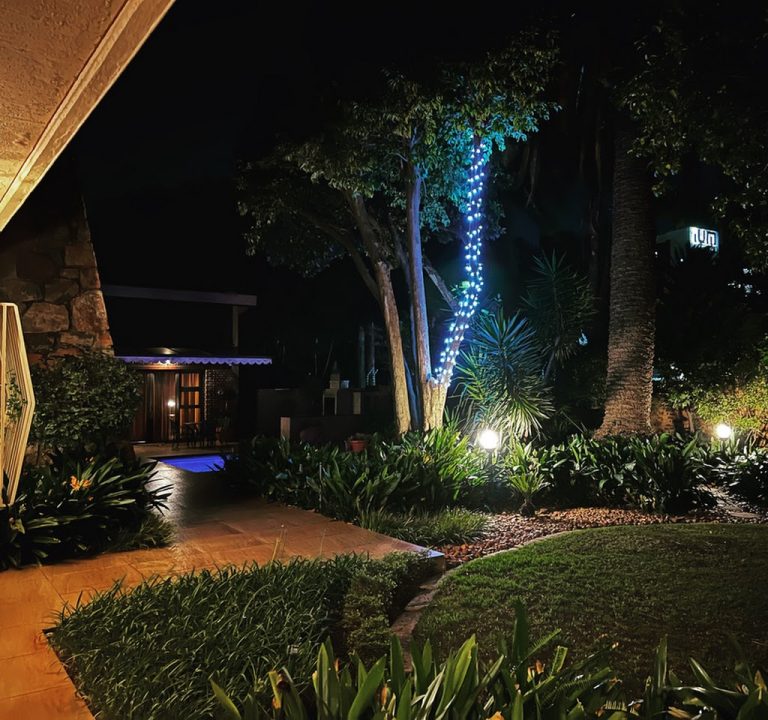
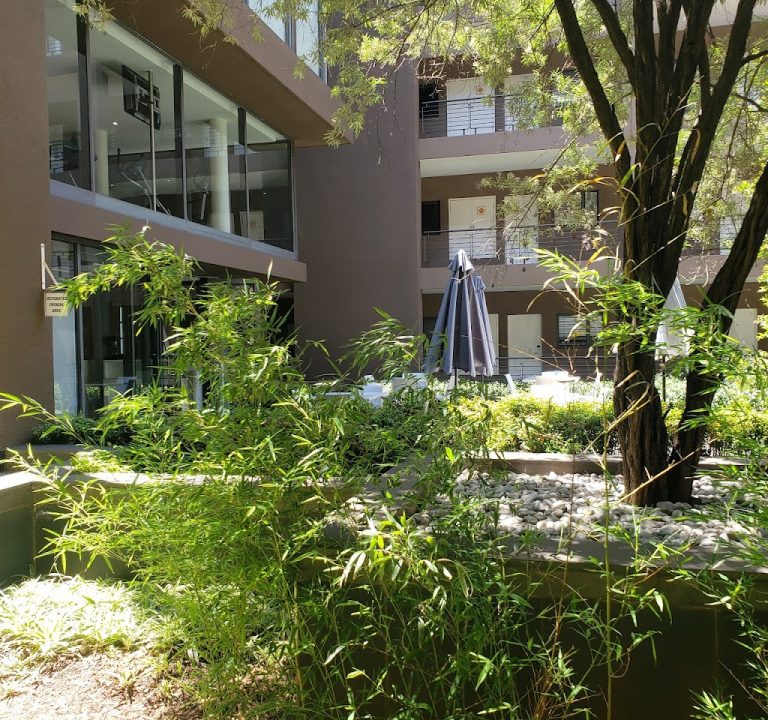
Sample accommodation with a published online presence can illustrate how a stay is framed. For instance, thematic or characterful B&Bs and guesthouses often celebrate a sense of place, from architecture to interior styling, while offering personal touches that help you settle in quickly. One such option epitomises the idea of a home-from-home in a welcoming setting, with a dedicated website providing details on room types, breakfast options, and location context. Explore the property’s site to gauge whether it aligns with your priorities for comfort, convenience, and a true sense of Johannesburg.
Finally, a mindful traveller plan includes balancing time in the city with restful evenings at your chosen base. By selecting a well-situated accommodation, you’ll be well placed to enjoy a mix of sights, eateries, and neighbourhood life, while maintaining a comfortable pace. For those curious about a particular stay, you can visit the companion site for more details and to gauge suitability for your travel style and budget.
Website reference for a sample B&B option: The Country Cottage.