Johannesburg: where to stay, what to do and how to plan your visit
Johannesburg, Gauteng’s dynamic gateway to South Africa, offers a wide range of places to lay your head, from stylish city-centre lodges to boutique guesthouses nestled in leafy suburbs. When planning a stay, think about what kind of experience you want: a high-energy urban base with easy access to museums and markets, or a quieter retreat close to parks and cultural hubs. In addition to lodging, the city’s transport links—particularly the Gautrain and reliable ridesharing options—help you move efficiently between neighbourhoods, making it feasible to combine downtime with day trips or guided tours.
Areas to consider for accommodation
• Sandton and Bryanston: well suited to business travellers and visitors seeking modern comforts, shopping and dining in convenient clusters. These districts are well connected by major roads and the Gautrain into central Johannesburg.
• Rosebank and Parkhurst: a boutique-friendly choice with a thriving cafe culture, markets and easy access to the Gautrain station for day trips or airport transfers. The surrounding streets offer a mix of guesthouses, lodges and small hotels with a warm, personal touch.
• Maboneng Precinct and Braamfontein: ideal for travellers who want to immerse themselves in Johannesburg’s creative heartbeat. Expect stylish lofts, boutique hotels and guesthouses within walking distance of galleries, eateries and nightlife, while still being linked to the city by public transport.
• Newtown and the City Centre: a historic core that has re-emerged with restored heritage buildings, markets and theatres. Here you’ll find historic lodges and guesthouses that offer good value and easy access to cultural venues.
• Soweto: for those seeking a more immersive experience, consider a lodge or guesthouse on the edge of this iconic township. It’s a chance to learn about history and daily life, with organised tours and community-led experiences often available nearby.
What to look for when booking
• Quiet, well-maintained rooms with comfortable beds and good airflow. In Johannesburg’s climate, air conditioning or effective cooling can be a real plus in summer.
• Reliable hot water and solid Wi-Fi, which are essential for work or staying connected while you explore the city.
• A friendly reception or on-site team who can arrange airport transfers, guided tours or restaurant reservations. Some properties may offer curated local experiences or tips on hidden gems.
• Safe, well-lit neighbourhoods and secure access to the building, as well as convenient parking if you’re driving or renting a car.
• Practical amenities such as a breakfast option, a compact kitchenette or a communal area where guests can relax or work.
Typical amenities and practical planning
A common Johannesburg lodging profile blends comfort with convenience: en-suite rooms, secure parking, and easy access to public transport. Many lodges and guesthouses provide optional meals, a shared lounge, and local knowledge from hosts who can point you toward authentic dining spots, markets and galleries. For longer stays, a self-catering apartment or room with a small kitchen can be particularly worthwhile.
Transport tips: Johannesburg’s network includes the Gautrain for speedy trips to Pretoria, OR Tambo International Airport and neighbouring towns, plus an extensive taxi and rideshare network. If you’re exploring multiple suburbs, a car offers flexibility, though many visitors enjoy guided tours that can reduce the hassle of navigation and parking in busy areas.
Best time to visit: the city experiences a subtropical highland climate. Spring (September to November) and autumn (March to May) typically offer pleasant colours, milder temperatures and outdoor-friendly days, making sightseeing and strolls more comfortable. Summer can be warmer with brief, afternoon showers, while winter is generally dry and cool—great for museum days and urban exploring with less crowding.
Accommodating experiences that can enhance your stay
Many visitors combine their lodging with curated experiences that highlight Johannesburg’s history, arts and neighbourhood life. Expect to encounter museum visits, design districts, markets and theatre evenings, followed by evenings spent in vibrant restaurant streets where casual eateries sit alongside more refined dining options. For those seeking insights into local culture, community-led tours and heritage walks offer meaningful perspectives, while food-focused experiences can showcase urban farming, rooftop bars and contemporary dining scenes.
Gontra Trading Accommodations
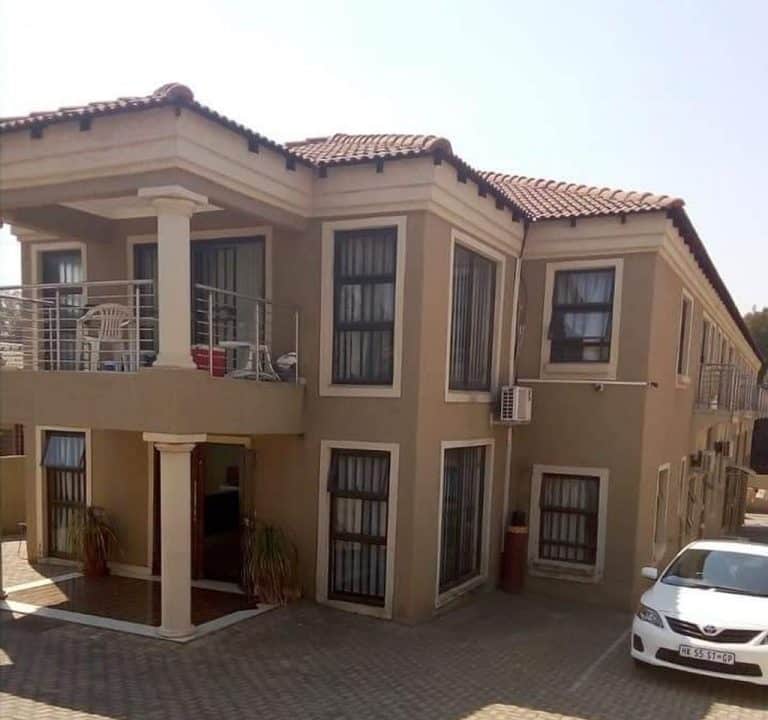
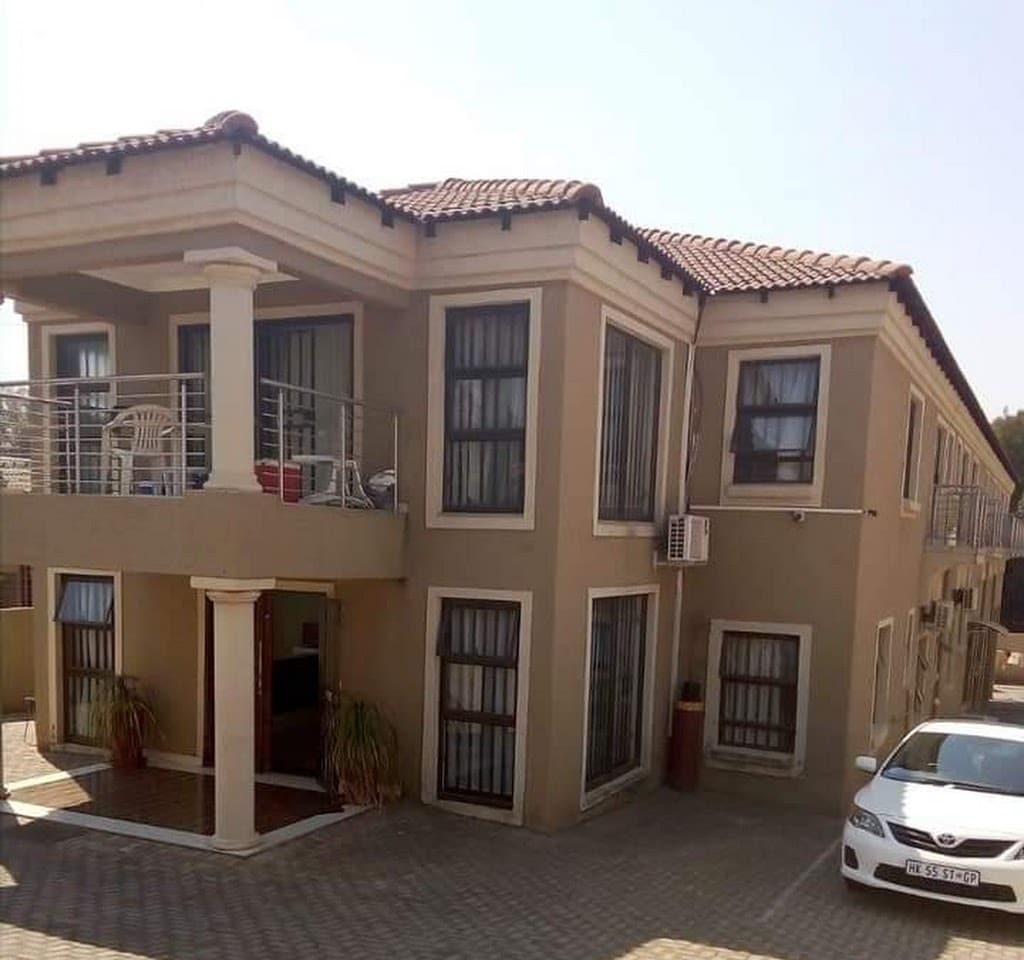
In Johannesburg’s lodge landscape, Gontra Trading Accommodations represents a lodge-style option promising a grounded, comfortable stay. The property is positioned to appeal to guests seeking a relaxed base from which to explore the city’s diverse neighbourhoods while enjoying practical amenities and courteous service. For more information, prospective guests can visit the site at gontra.co.za.
Sample planning checklist for a well-balanced stay
- Choose two or three areas to anchor your visit based on your interests (culture, shopping, nightlife, or quiet suburban escapes).
- Estimate travel times between your lodging, major sights, and dining streets to avoid backtracking.
- Book accommodation with flexible cancellation policies where possible, especially if your plans may shift with weather or events.
- Check if the property offers airport transfers or guided day trips, which can save time.
- Pack a light layer for cooler evenings and a comfortable walking shoe for urban exploring.
Johannesburg combines cultural depth with urban energy, making it a city where your accommodation can be more than a place to sleep—it can be a doorway to discovery. With thoughtful selection, planning and a little local insight, you can enjoy a well-rounded stay that balances comfort, convenience and memorable experiences.