Johannesburg: accommodation planning, attractions and dining for a welcoming stay
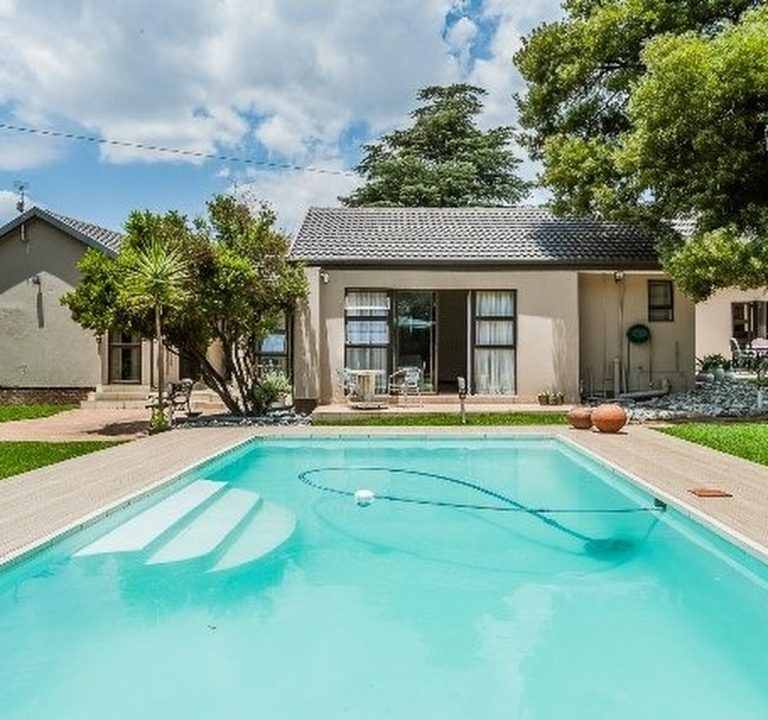
Johannesburg offers a broad tapestry of places to stay, from stylish guest houses and boutique hotels to modern apartments and spacious conference venues. When planning a visit, consider the area you’d like to base yourself in, as neighbourhoods vary from leafy residential suburbs to lively city districts. A guest house such as Sha-Mani Guest House And Conference Venue provides a homely option for travellers seeking personalised service alongside flexible meeting facilities, while central hotels and apartment stays place you within easy reach of major attractions and transport links.
Key areas to consider include the northern suburbs for easy access to business districts and healthier air, the vibrant inner-city zones for culture and nightlife, and the northernmost hubs that offer shopping, galleries and family-friendly amenities. Rosebank, Parktown North, and Sandton provide a mix of shops, dining and reliable safety, while Braamfontein and Maboneng are known for creative energy, markets and a range of cafés. For those prioritising a shorter transfer from the airport, there are options closer to the northern suburbs and the Johannesburg Park Station corridor that can still offer easy access to the city’s highlights by car or ride‑share.
What to look for when booking:
- Security and parking: secure on-site parking or gated access is a practical consideration, especially in central districts.
- Breakfast and in-room amenities: many guest houses and hotels offer breakfast, Wi‑Fi, a work area, and tea/coffee facilities; some properties include cooked breakfasts or continental options.
- Transport links: proximity to major roads, taxi or ride‑hailing access, and public transport connections such as rail or bus routes can save time during your stay.
- Public spaces and comms: well‑lit common areas, responsive reception, and in‑room information about local transit and safety tips help guests settle in quickly.
- Flexibility and facilities: look for properties with flexible check‑in/out, laundry services, and conference or meeting spaces if you’re travelling for business or group bookings.
Typical amenities you may encounter include secure parking, daily housekeeping, en‑suite bathrooms, air conditioning or heating, and reliable Wi‑Fi. Some boutique stays emphasise sustainability with energy‑saving features or locally sourced furnishings. If you’re planning a longer visit, a property with a small kitchenette or self‑catering facilities can make a home‑from‑home base more comfortable, especially for families or groups.
Transport and getting around: Johannesburg is large and roads can be busy, particularly during commuter peaks. If your stay is city‑centric, staying near a rail link or a major bus route can be very convenient. Uber and local taxi services are common, and some guest houses provide airport transfers or arranged shuttle options. Car hire is useful if you intend to explore beyond the central areas, such as the northern suburbs’ parks and shopping districts or the historic townships that sit beyond the immediate city core.
Best time to visit: Johannesburg has a mild winter and a warm, wet summer. The dry season (roughly May to September) is popular for city exploring, with cooler evenings and clear skies, while the summer months (November to March) bring lush greenery and occasional afternoon showers. If you’re planning outdoor experiences or countryside day trips, consider the seasonality of crowds at popular markets, open-air events and outdoor venues.
Planning practicalities: to make the most of your stay, map out a loose daily plan that clusters nearby attractions and dining options. Leave some buffer time for travel in and out of business districts or for returning to your base after a day of sightseeing. Always double‑check access times for museums and galleries, as opening hours can vary by season or event bookings.
What to do and where to eat (in a general sense): Johannesburg blends history, culture and contemporary flavour. You might plan an itinerary around major museums and historic sites, strolls through arts districts, and visits to local markets or family‑friendly attractions. In terms of dining, expect a wide range of options—from casual cafés serving light bites and coffee to modern bistros offering diners varied culinary influences. Areas with a strong food and arts profile tend to host a mix of eateries that highlight both international and South African flavours, with many venues offering hearty breakfasts, light lunches and post‑sunset menus.
Practical tips for visitors: carry a light, comfortable day pack with water, sun protection and a map or offline directions. Keep valuables secure and be mindful of your surroundings in crowded areas. Respect local customs and view recommendations from your accommodation staff or hosts about safe routes, best times to visit certain districts, and tips for navigating transport options. With thoughtful planning—balancing comfort, safety and access to your preferred neighbourhoods—you can enjoy a relaxed, well‑paced Johannesburg stay and a memorable mix of culture, dining and discovery.