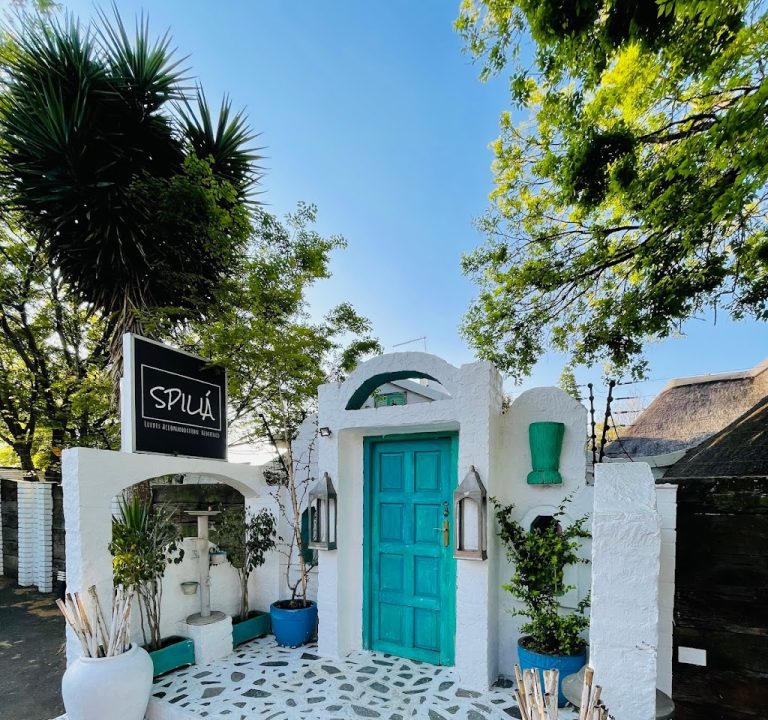
Johannesburg: where to stay, how to plan, and what to explore
Johannesburg, or Jo’burg, is a dynamic gateway to Gauteng’s culture, history, and modern vibrancy. When planning a stay, consider both the convenience of location and the atmosphere you desire. The city offers a mix of boutique guesthouses, modern hotels, and leafy suburbs that suit different itineraries—whether you’re here to explore museums, shop in stylish precincts, or enjoy a more relaxed base for nearby day trips.
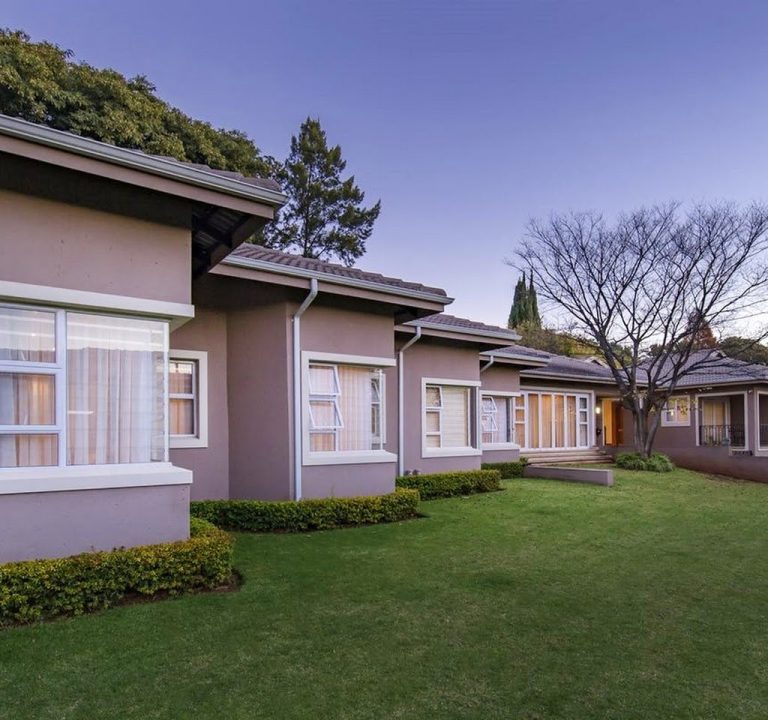
Areas to consider include the central business districts and creative hubs, which put you within easy reach of attractions, dining, and nightlife, as well as the northern suburbs for spacious rooms, green views, and a calmer pace. Suburbs such as Rosebank, Sandton, Braamfontein, Melville, and Maboneng each have their own character, from cosmopolitan chic to artsy and laid-back. If you’re travelling with family or seeking easy access to the airport, look for well-connected options that offer secure parking or dependable transport links.
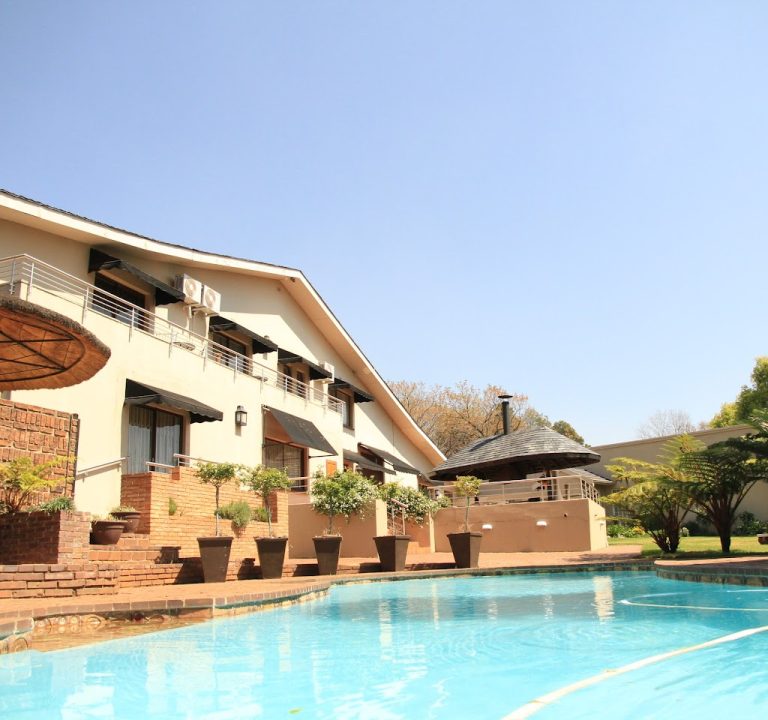
When you book, think about what matters most for your stay. Do you want a hotel that feels like a business hub with conference facilities, or a cosy guesthouse with a personal touch and homemade breakfast? Do you need on-site parking, a gym, or a stylish restaurant within the same property? Do you prefer a neighbourhood with street-life energy and cafés on every corner, or a quieter enclave with tree-lined streets?
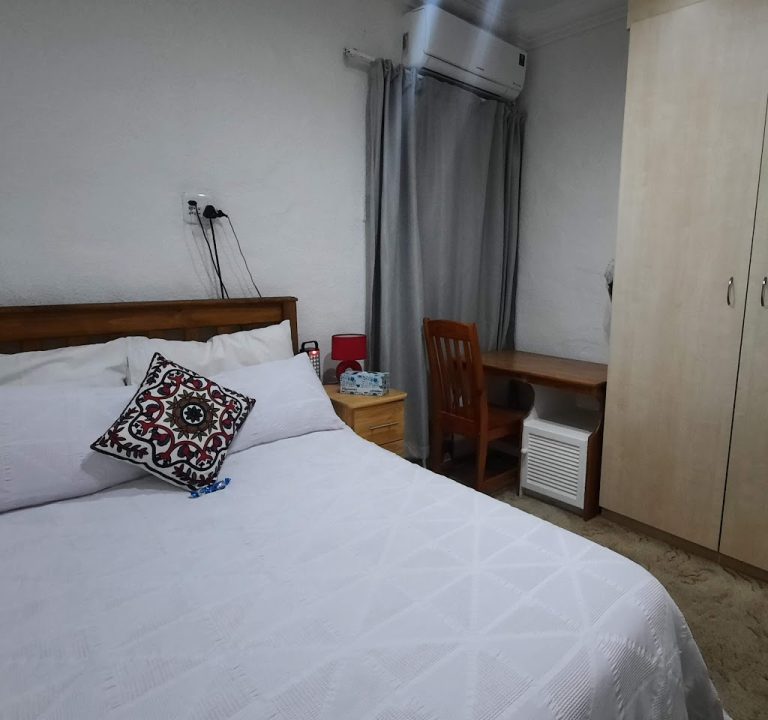
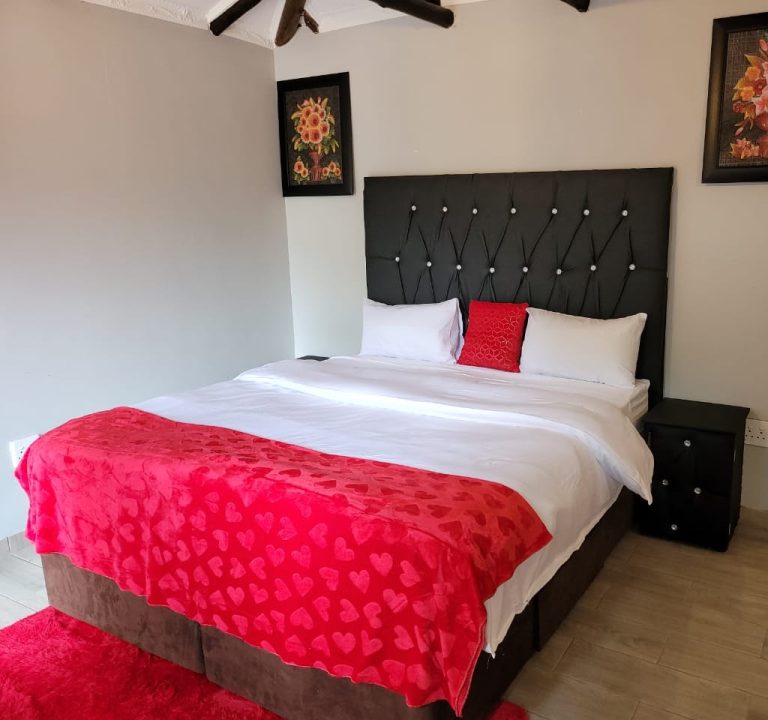
Typical amenities across Johannesburg accommodation include complimentary Wi‑Fi, secure parking, breakfast options, and 24-hour reception or on-site staff. Rooms often feature en-suite bathrooms, air conditioning, and practical desk spaces for travellers who need to work. In boutique properties, you may find thoughtful design touches, local artwork, and social spaces that double as mingle-friendly hubs for meeting other visitors.
Transport is a practical consideration. The city’s public transport is expanding, and many visitors rely on rideshare services, taxis, or organised transfers. If you’re arriving from OR Tambo or Lanseria airports, hotels in key corridors usually offer straightforward access to major highways and the Gautrain station in Sandton or Rosebank. For day trips to nearby attractions or game reserves, you’ll often want a car or a reliable driver. In popular districts, you’ll find walkable streets with cafés and markets, but plan for hotter afternoons in the summer and occasional rain in the summer months.
Best time to visit Johannesburg is generally the dry season from May to September, when traditions like open-air markets and outdoor dining are pleasant and the air is clearer. The city also experiences a rainy period in the summer, when late storms can bring relief from heat but may affect outdoor plans. If you’re keen on city-level events, check calendars for art fairs, theatre, and music performances that frequently populate Maboneng, Braamfontein, and other creative precincts.
To make the most of your stay, map out a balance of indoor and outdoor activities. Notable but generally available experiences include visiting museums and galleries, exploring historic neighbourhoods, hearing live music in local venues, and sampling a range of dining concepts from casual eateries to fine dining. Reputable districts offer markets and street-food options where you can try a variety of flavours, from traditional South African fare to contemporary international dishes. When planning, book ahead for popular venues or peak seasonal weekends, especially if you prefer specific rooms or boutique suites.
Practical tips for travellers:
- Choose accommodation with easy access to reliable transport links or on-site parking.
- Look for properties with good security, clear reception hours, and guest reviews that mention staff friendliness and cleanliness.
- Check the breakfast style—some places offer continental options, while others provide full cooked meals.
- Ask about shuttle services to the airport or major transit hubs if you prefer not to arrange independent transfers.
- Pack light layers for variable weather and a universal adaptor for electrical devices.
When it comes to planning activities, a balanced itinerary often works well. Consider a morning visit to a major museum or cultural district, followed by a relaxed lunch in a precinct known for its cafés and markets. In the afternoon, reserve time for a guided neighbourhood stroll to understand the local history and architecture, or opt for a themed tour that focuses on art, street photography, or historical sites. In the evening, explore multiple dining options within a single area to sample a range of cuisines, and end with a sunset stroll or a rooftop bar overlooking the city skyline.
Finally, do check for seasonal events or city-wide celebrations that highlight Johannesburg’s diverse communities. A well-planned stay can combine comfortable accommodations with engaging experiences, giving you a sense of the city’s energy while providing a convenient base for day trips to nearby towns or natural attractions. With thoughtful choice of district, solid amenities, and flexible transport options, your Johannesburg visit can be a memorable mix of culture, cuisine, and comfortable rest.