Durban: Accommodation Planning, Local Flavour and Insider tips for a relaxing stay
Durban, perched along the Indian Ocean in KwaZulu-Natal, offers a diverse mix of places to stay and a friendly, traveler-focused vibe. From welcoming bed & breakfasts in leafy suburbs to stylish boutique hotels near the coast, the city caters to all budgets and travel styles. When planning a stay, consider the neighbourhoods that best suit your interests, whether you want easy beach access, family-friendly respite, or a lively urban scene with restaurants and markets on your doorstep.
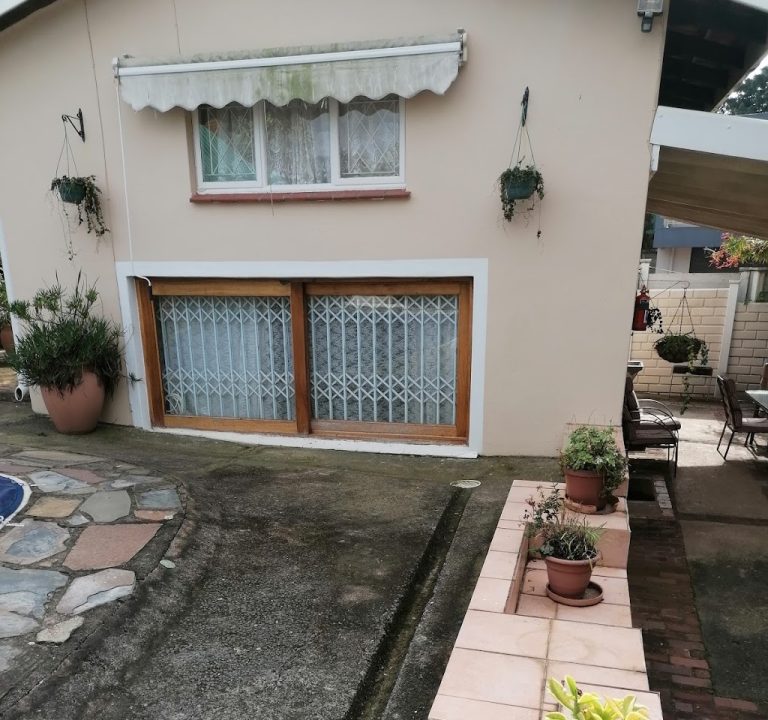
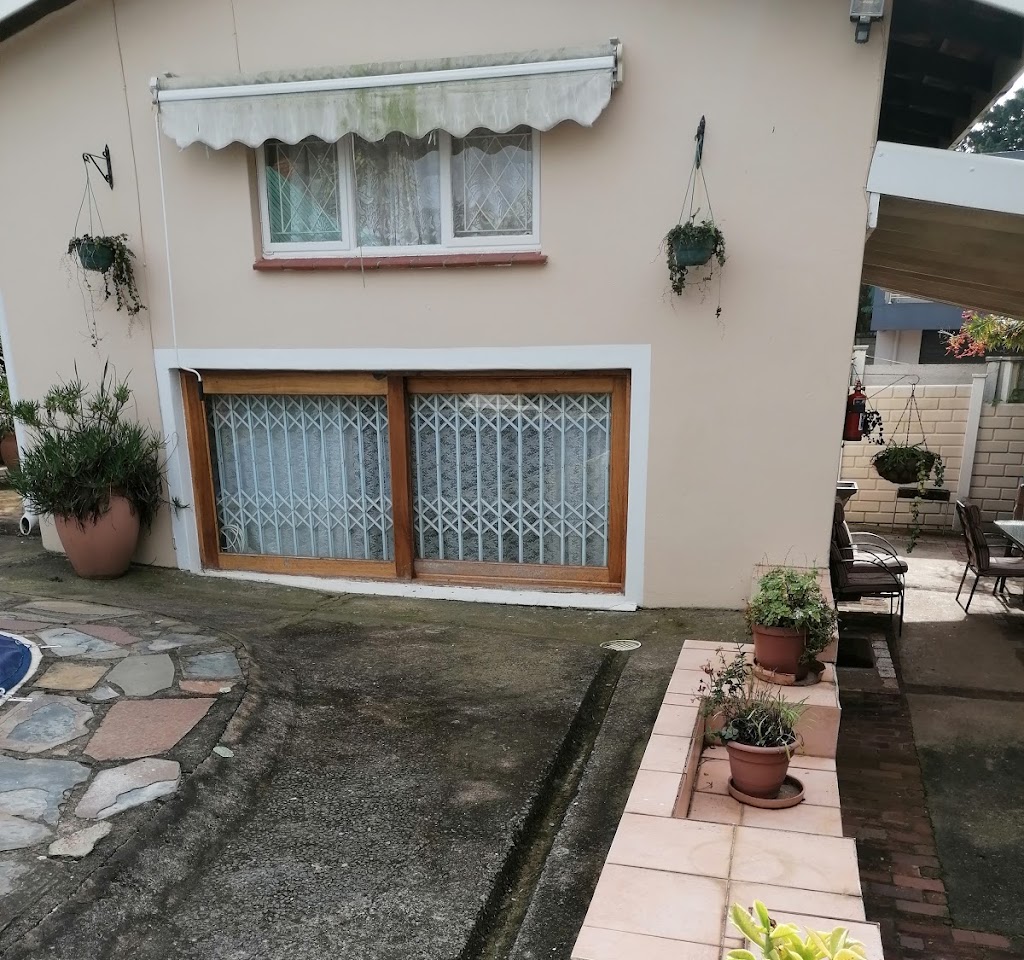
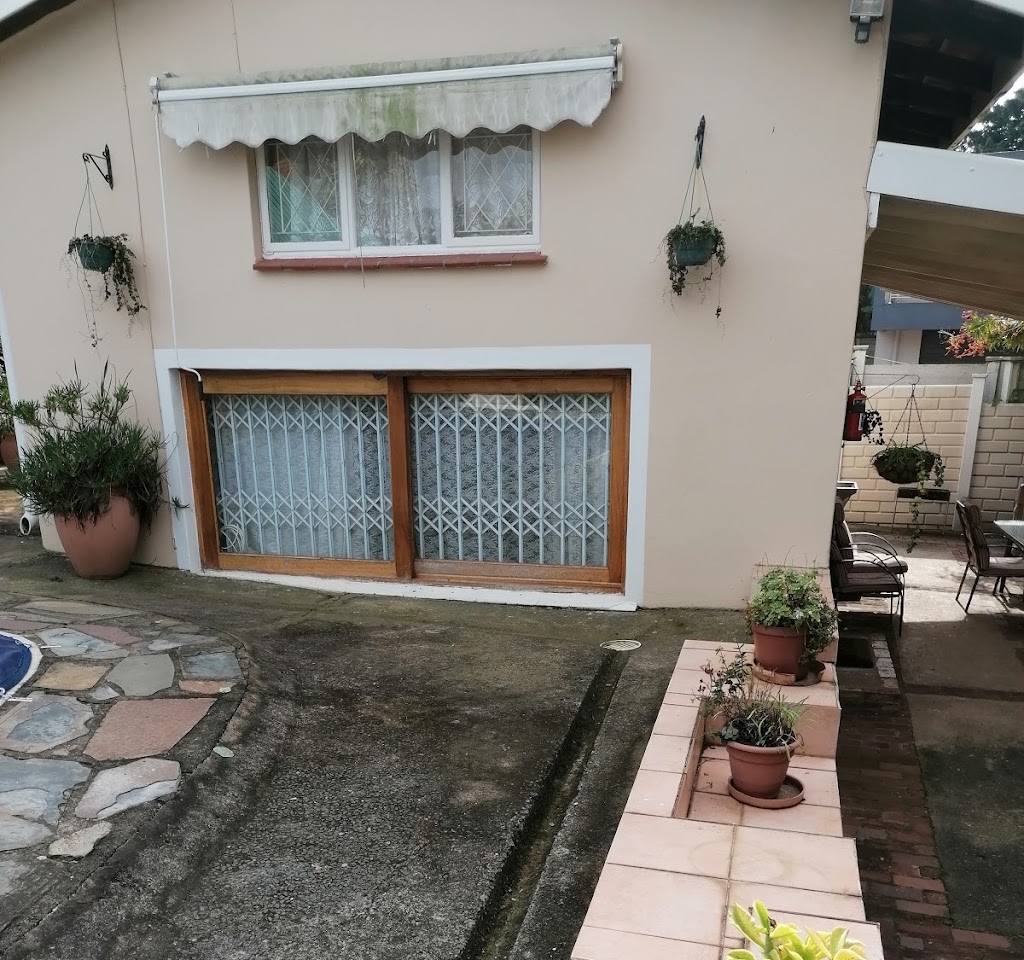
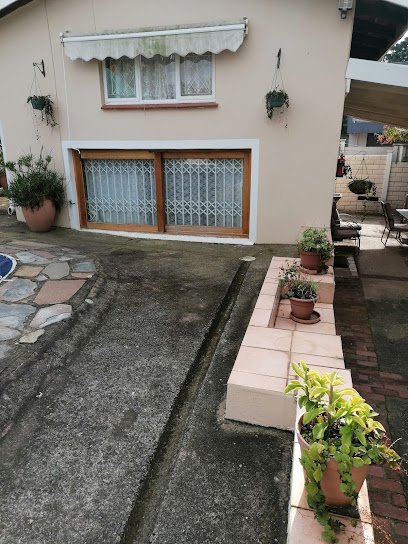
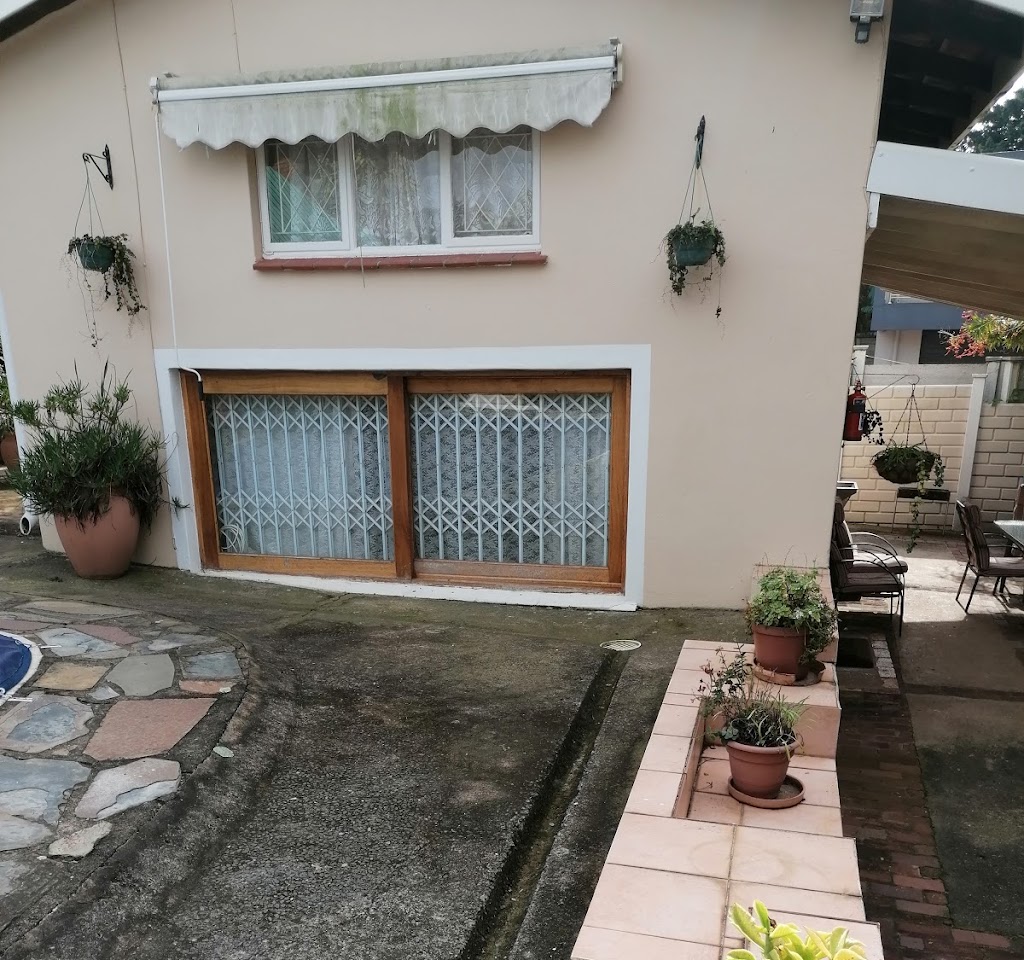
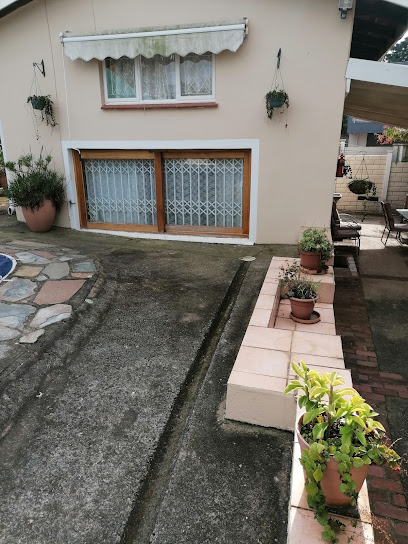
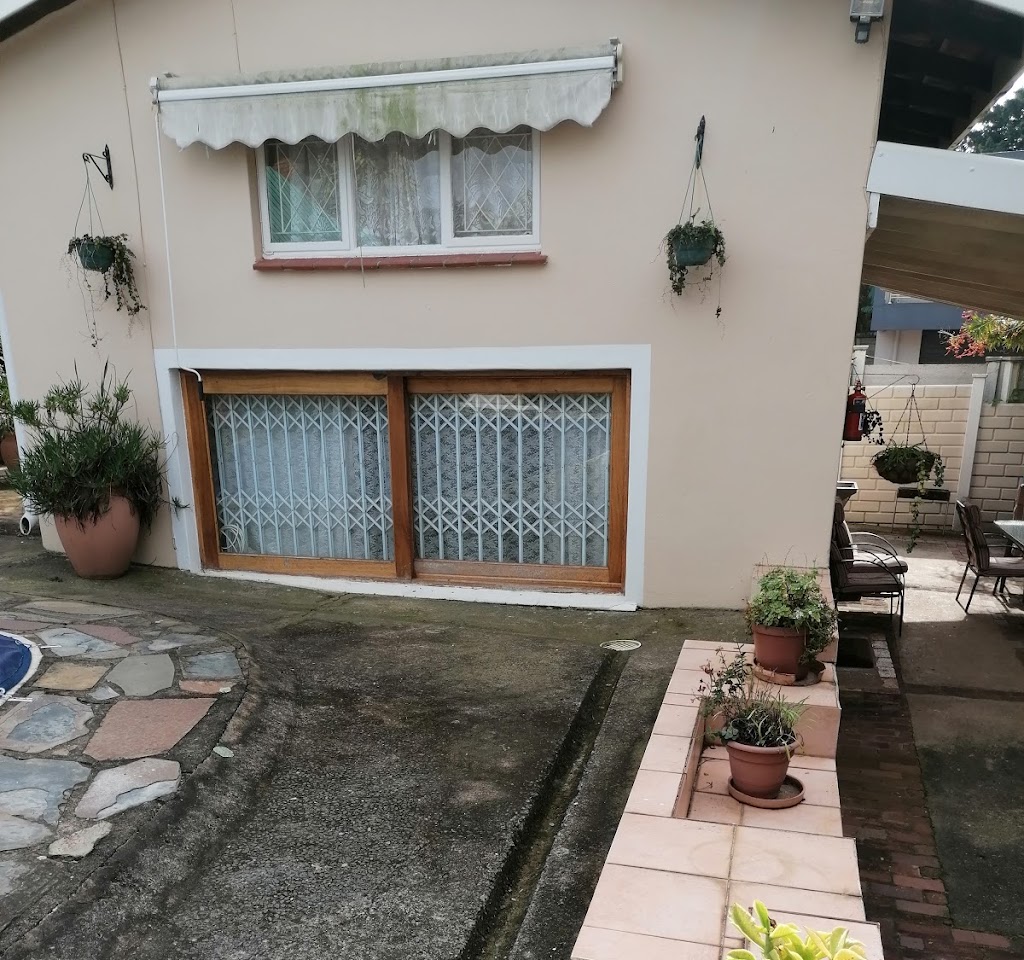
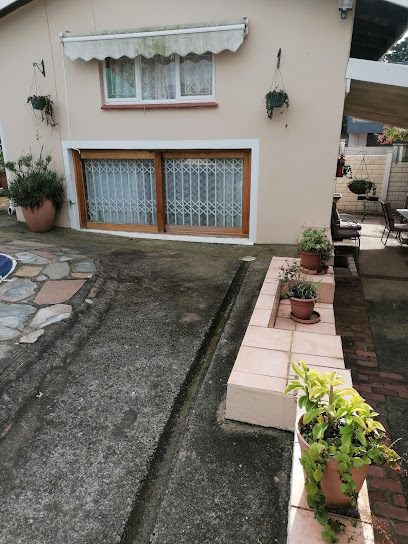
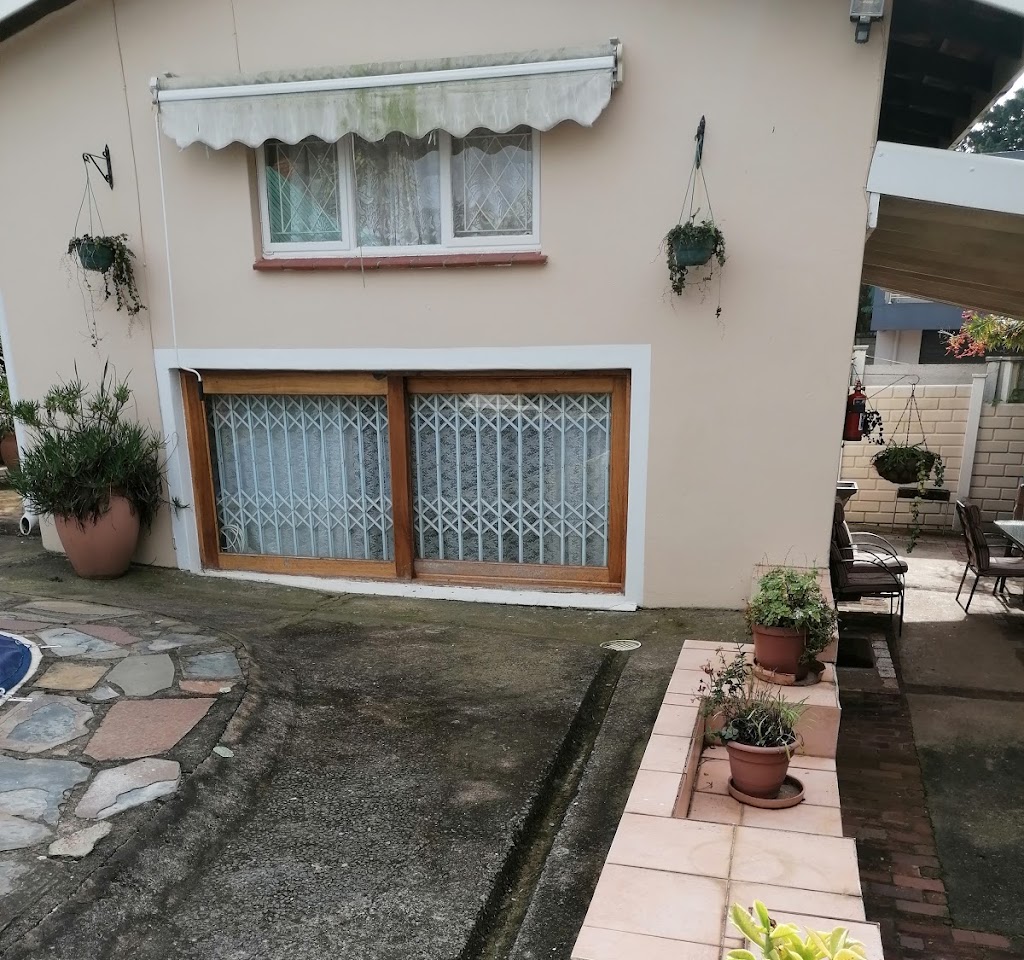
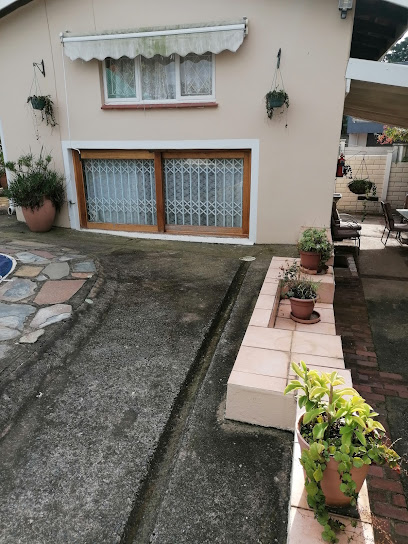
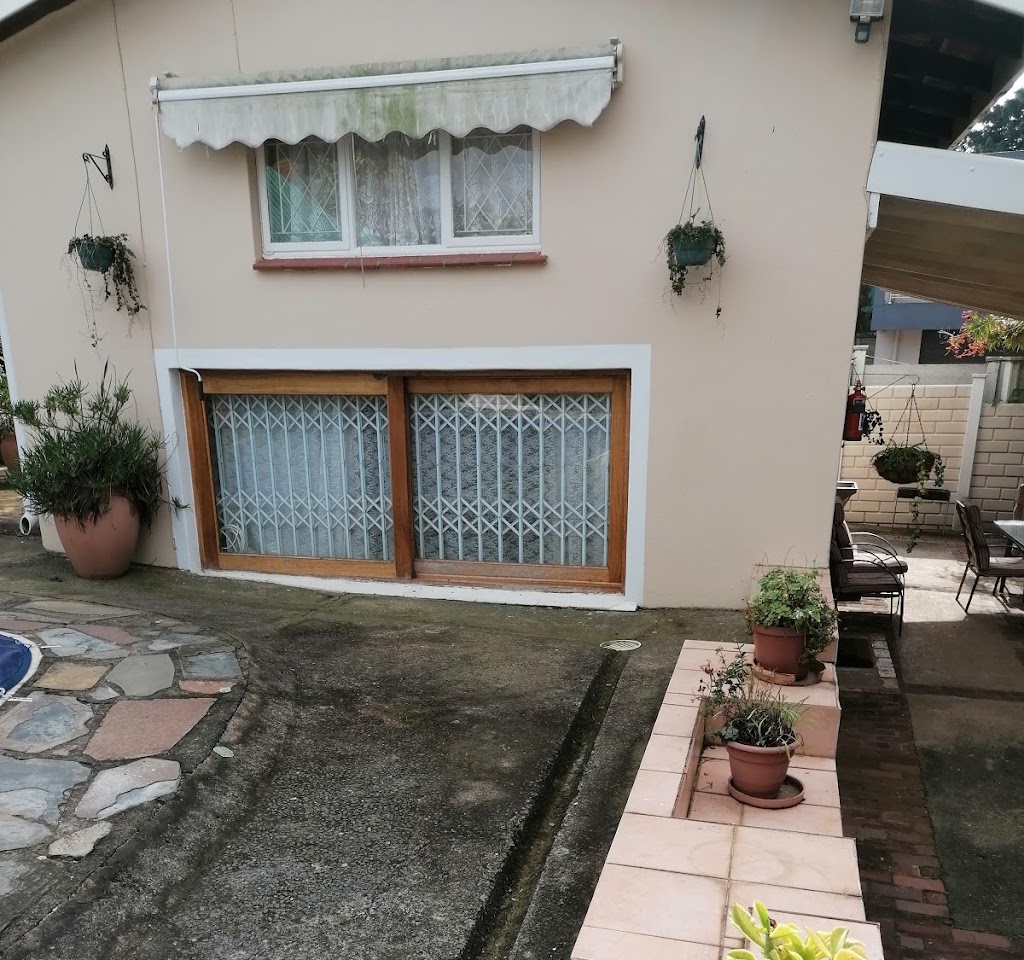
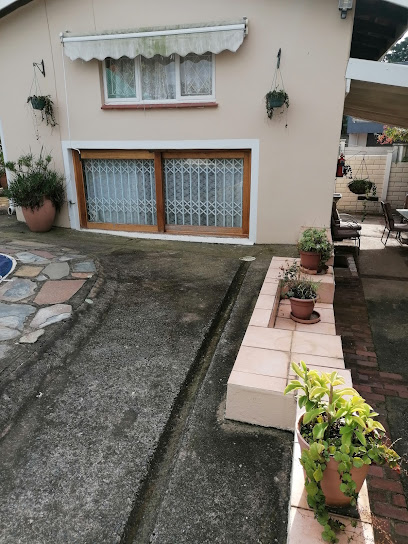
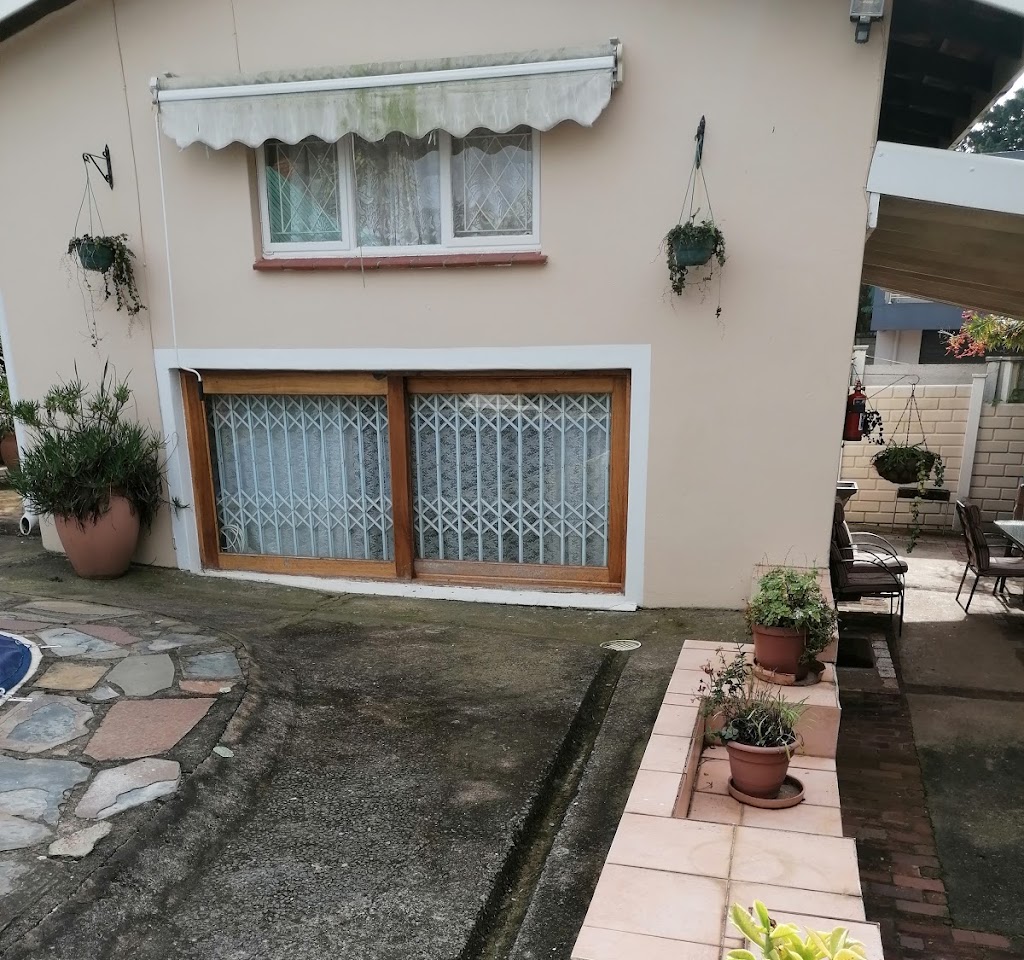
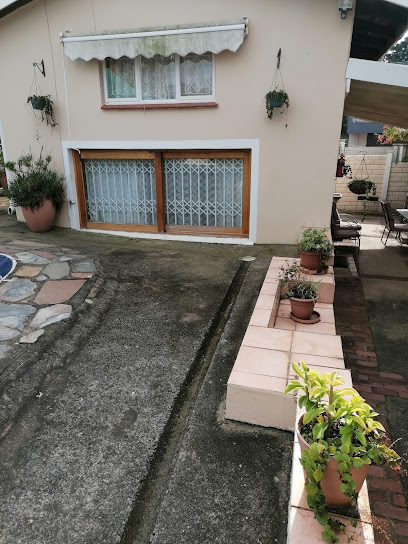
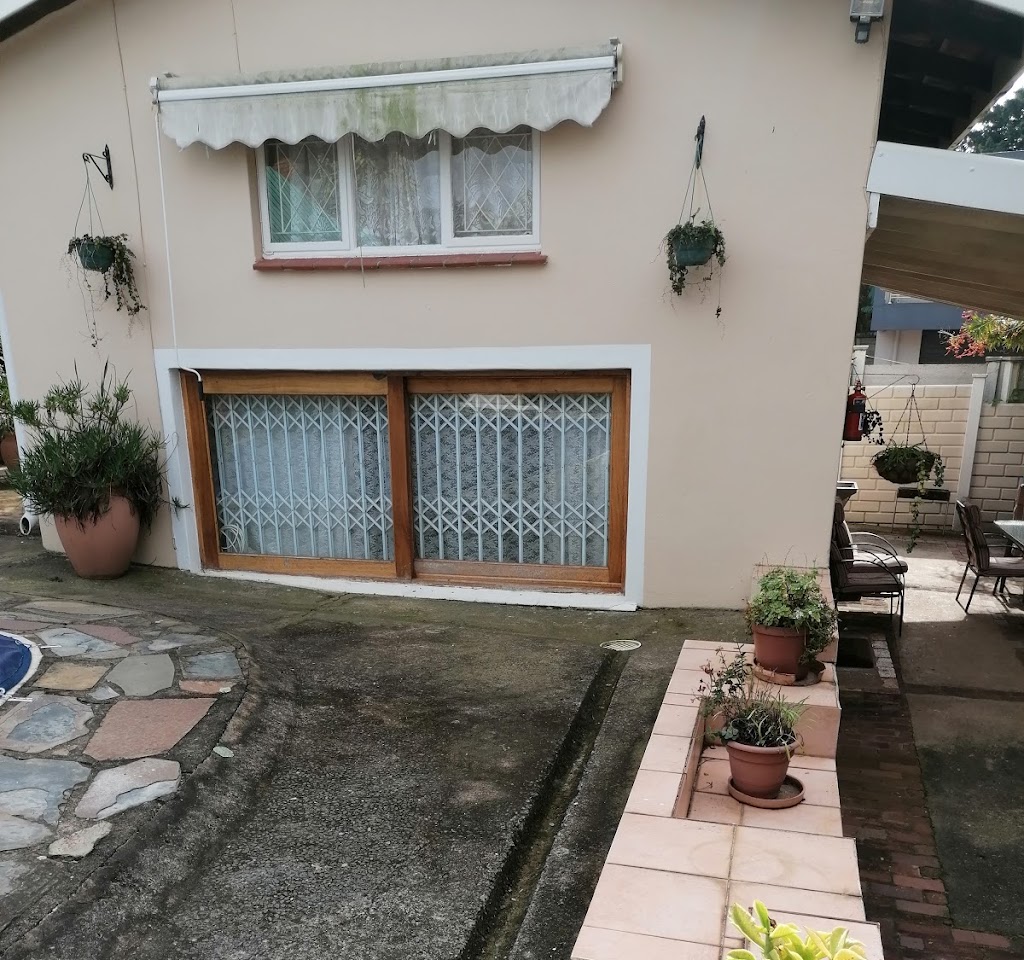
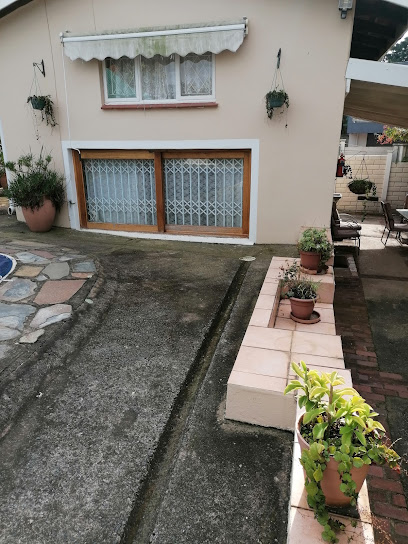
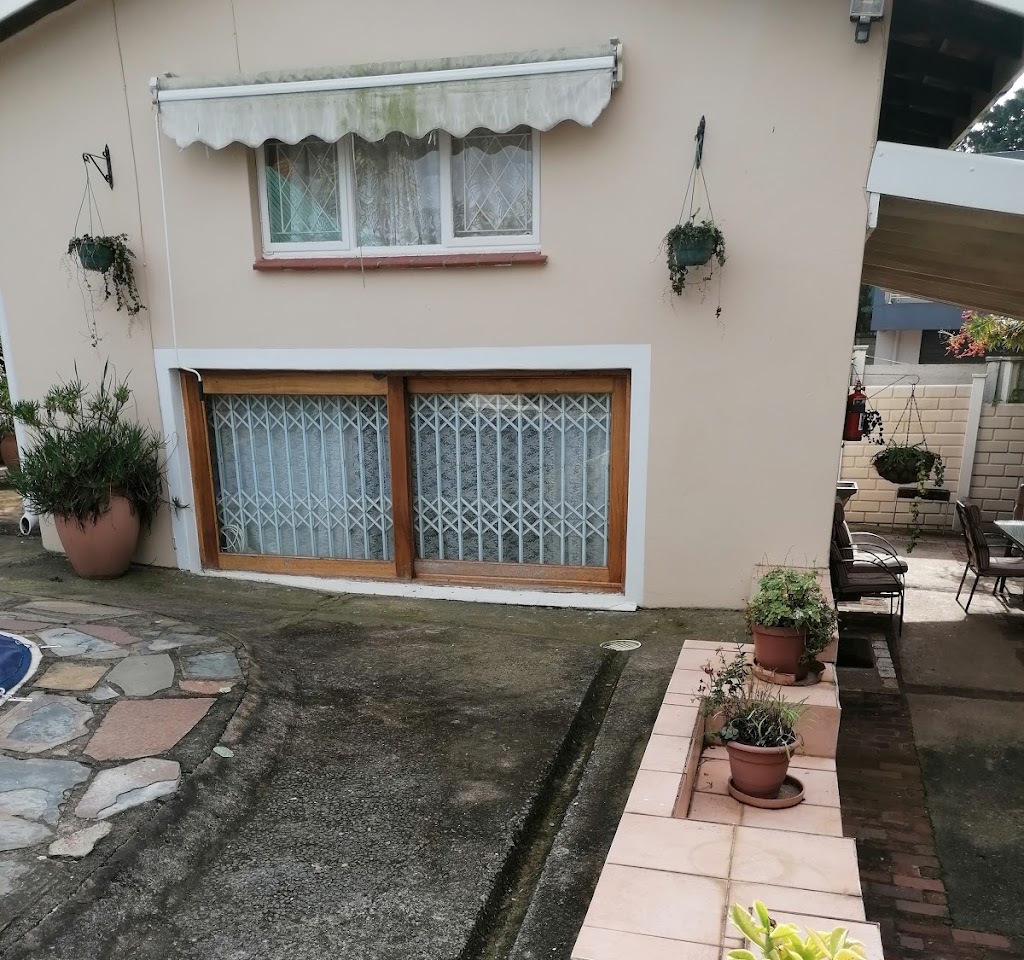
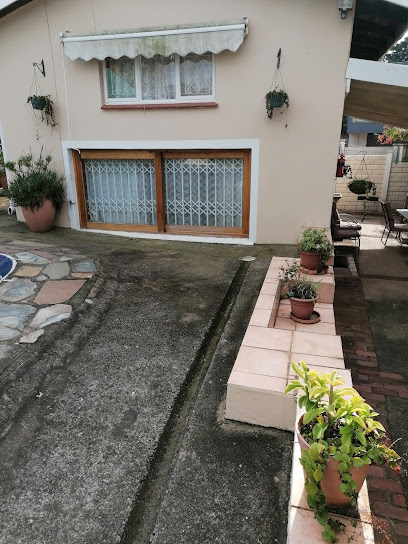
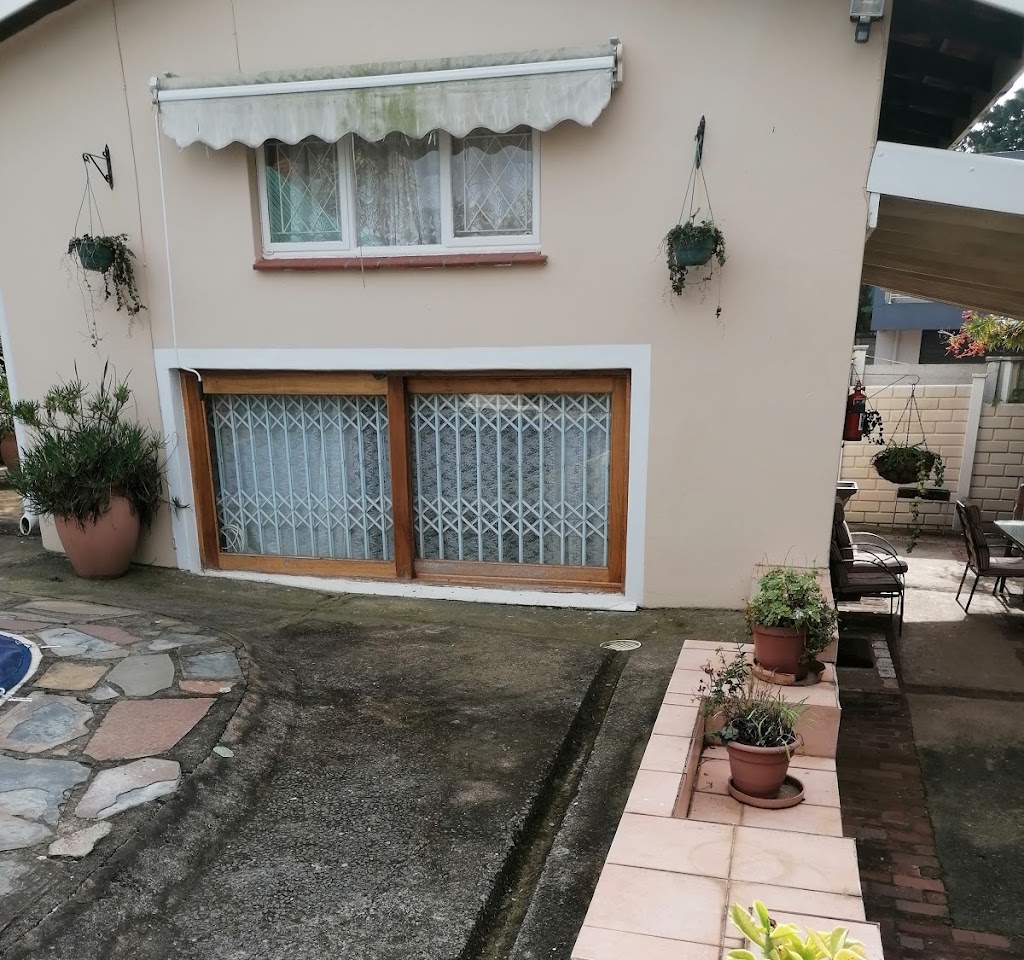
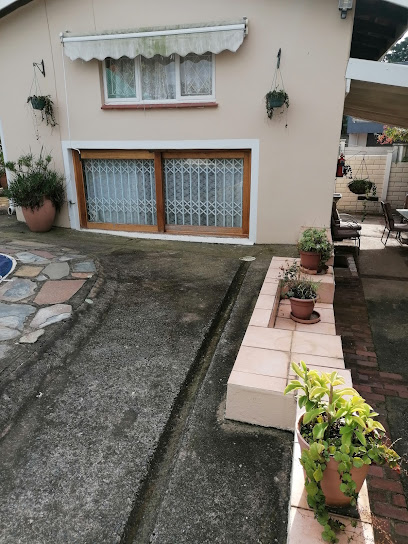
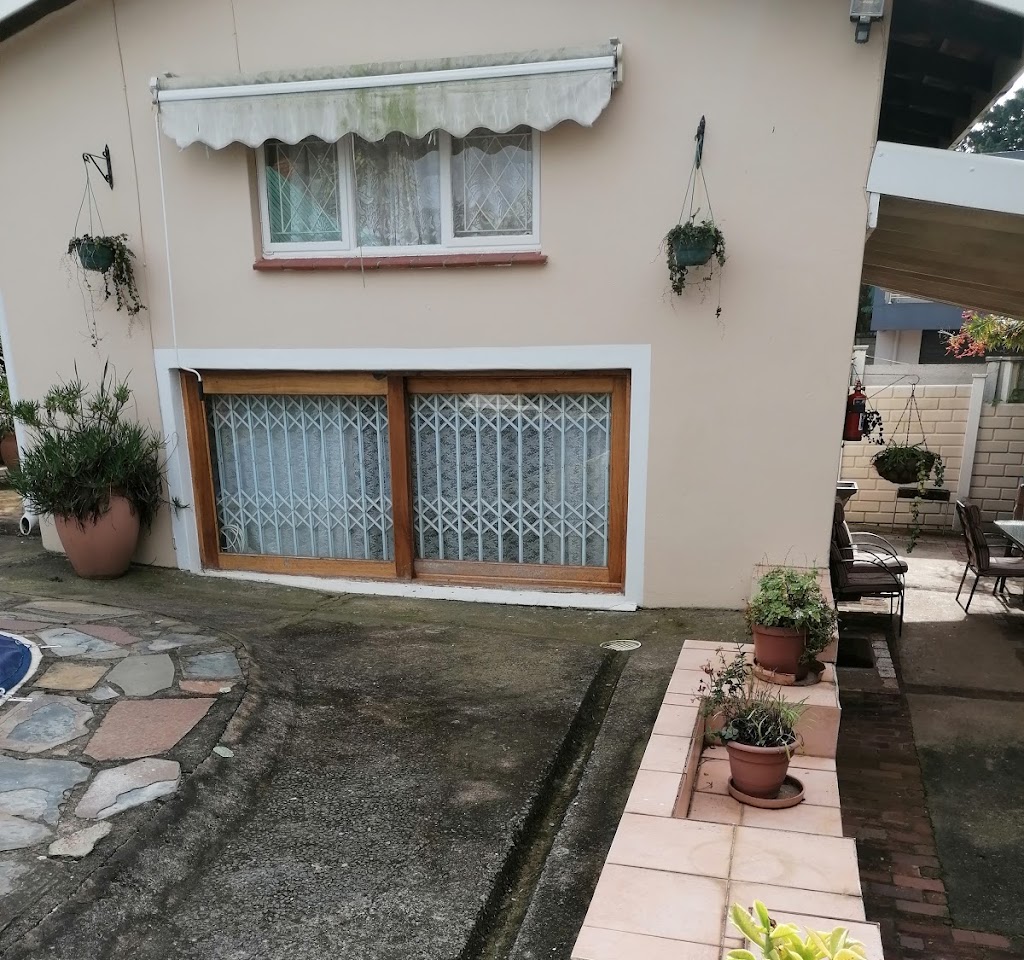
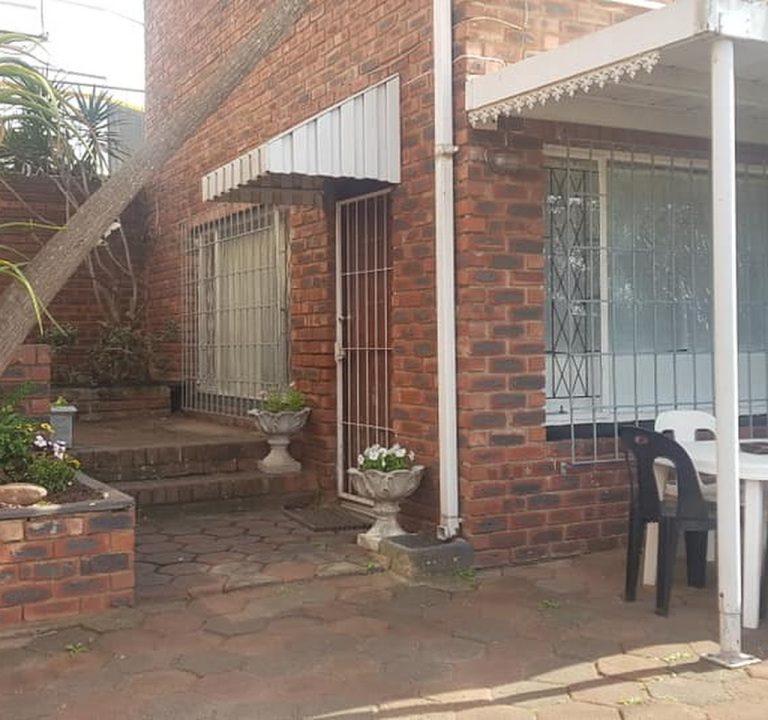
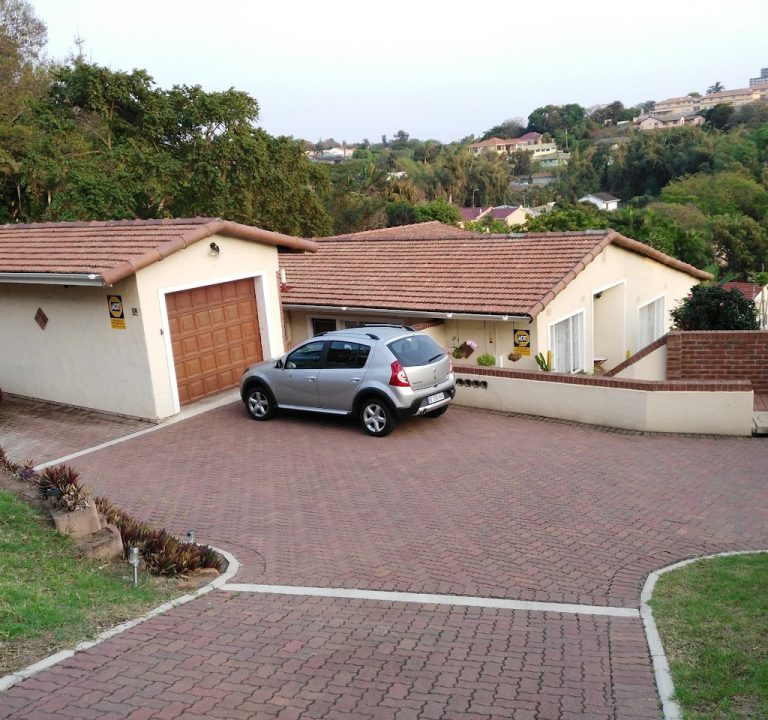
Escombe Accommodation B&B, a well-regarded option in a residential part of the city, is representative of the warm, personal hospitality travellers often value in Durban. B&Bs in Durban frequently balance comfortable, well-equipped rooms with a generous breakfast and useful local knowledge from hosts. If you’re seeking a quieter base with convenient access to the northern suburbs, coastal promenades, or a short drive to the central business district, a B&B in a residential area can offer a home-from-home atmosphere and helpful tips for day trips.
Areas to consider include the Golden Mile and beachfront precinct for sea views, easy access to the promenade, and a range of dining options. Umhlanga and the northern coastal strip attract visitors who want modern resorts, stylish eateries, and a more polished, resort-like feel. The Berea and Morningside areas offer a central, walkable environment with boutique stays, cafés, and markets, while Glenwood and Grey Street provide a more urban vibe with leafy streets and access to traditional South African hospitality.
When choosing where to stay, think about the rhythm you want for your days. If your priority is sunlit beach mornings and a slow pace, a location near the Golden Mile, uShaka Marine World area, or Durban’s north shore could be ideal. For easy access to markets, galleries and a broader restaurant scene, central districts such as Glenwood or Morningside can be particularly appealing. For family trips, look for family rooms, a garden or courtyard, and safe, leafier streets with strollable routes to parks or beaches.
Typical amenities you’ll come across include free Wi‑Fi, en-suite bathrooms, air conditioning or ceiling fans, and secure parking. Hosts often provide maps, restaurant recommendations, and guidance on local transport. A common advantage of Durban’s guesthouses and smaller hotels is the chance to meet other travellers and gain insider tips on day trips beyond the city, such as trips to the nearby Drakensberg mountains, Hluhluwe-Imfolozi Park, or the scenic Valley of a Thousand Hills.
Transport around Durban is straightforward, though planning helps. The MyCiTi bus network covers major routes along the coast and into central areas, providing a budget-friendly way to explore. Taxis and rideshare services are widely available, and some accommodations offer shuttle options to beaches or key sights. If you’re hiring a car, you’ll find good road links to inland attractions and regional towns. In peak holiday periods, allow extra time for traffic near popular beaches and entertainment zones.
Best time to visit Durban hinges on weather and your activity choices. The city enjoys a subtropical climate with warm winters and hot summers. The shoulder seasons—roughly spring and autumn—can offer pleasant temperatures for strolling the promenade, visiting markets, and trying coastal dining, with fewer crowds than peak summer. For outdoor adventures or wildlife day trips a short drive away, plan for longer days and cooler evenings in winter, when you can enjoy a stroll along the beachfront or a chef‑driven dinner in a well-regarded restaurant without the heat.
Practical planning tips to help you get the most from your stay:
- Evaluate proximity to the places you plan to visit most—beaches, markets, museums, or culinary hubs—to minimise daily transit time.
- Check room configurations and accessibility features in advance, especially if travelling with children or mobility considerations.
- Ask hosts about parking arrangements, late‑night access, and whether breakfast is flexible on early departure days.
- Confirm self‑catering options if you prefer some meals at your accommodation, and look for outdoor spaces or courtyards for relaxed evenings.
- Seek practical safety tips from hosts and fellow guests, including neighbourhood etiquette, lighting, and secure entrances.
Durban’s dining landscape is as varied as its accommodation. You can expect coastal seafood spots, Indian-influenced curries, and vibrant casual eateries alongside modern bistros and internationally inspired menus. When planning food‑oriented days, allow time to explore neighbourhoods on foot—markets, small cafés, and pop‑ups often emerge around popular city hubs, especially in the central districts and along the beachfront route.
Beyond meals, consider light, engaging experiences that suit travel style: morning walks on the promenade, visits to art galleries, community markets offering crafts and ingredients, and scenic drives to nearby natural attractions. Durban’s coastline lends itself to relaxed days by the sea, while the surrounding region offers cultural experiences and viewpoints that reveal KwaZulu‑Natal’s rich landscape and heritage.
For a stay that blends comfortable accommodation with practical convenience and a sense of local flavour, Durban offers a range of options designed to feel welcoming and easy to plan around. A well‑chosen base in the right neighbourhood can shorten transit times, maximise beach days, and leave room for spontaneous discoveries. With thoughtful planning, your Durban visit can strike a balance between relaxing downtime, exploration, and authentic insights into this vibrant coastal city.