Durban: where to stay, what to do and how to plan a memorable visit
Durban, perched on the KwaZulu-Natal coast, blends sub-tropical warmth with a rich cultural tapestry and a laid-back coastal pace. Whether you’re drawn to long sandy beaches, leafy residential neighbourhoods, or the buzz of the city centre, there are accommodation options to fit every budget and travel style. From contemporary city hotels to family-friendly guesthouses and beachfront retreats, planning a stay in Durban is about balancing location, amenities and access to transport.
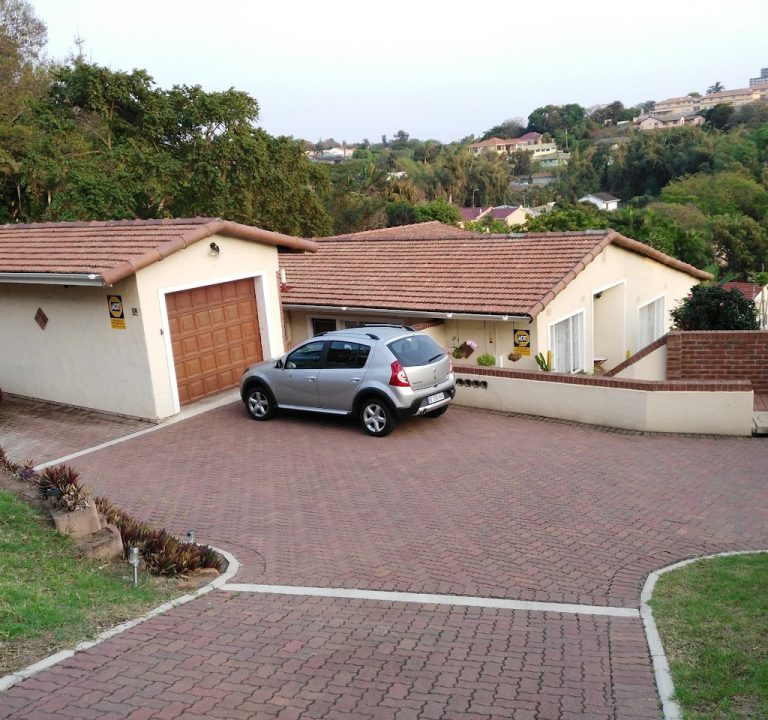
Areas to consider when booking include the Golden Mile and the beachfront strip, where many hotels and self-catering apartments offer sea views and easy access to walks, promenades and casual dining. For a quieter stay, consider the residential and leafy districts a little inland, which can provide a calmer ambience, often with easy drives or short rides to the coast. If you prefer a foodie and artsy scene with boutique shops, the Umbilo, Morningside and Windermere corridors are popular choices. For a family-friendly base with easy access to the harbour and theme attractions, the Point and nearby central areas can be convenient. Durban has a diverse hotel and guesthouse scene, including established city centre properties, modern high-rise stays and guesthouses with warm, personal service. For travellers seeking a hotel-style stay, Durban offers a range including contemporary city centre hotels and beachfront properties such as Hotel Savera.
When you book, what to look for depends on your priorities. Start with location relative to your planned activities, then assess room layout, noise levels, and safety features. In Durban’s climate, air-conditioning is a practical must for comfort during hot, humid spells. A good hotel or guesthouse will provide reliable in-room amenities, clean en-suite facilities, and comfortable bedding. If you’re travelling with family, check for on-site options such as a pool, kid-friendly spaces, and family rooms. For longer stays, consider self-catering features like a kitchen or kitchenette, laundry facilities, and parking availability, as these can make a substantial difference to convenience and costs.
Practical planning tips for Durban:
- Transport: Durban has a mix of options including rental cars, rideshare services, and taxis. Consider proximity to major routes and public transport links if you prefer not to drive. The city centre and beachfront areas are walkable in places, but for wider exploration a car or rideshare is handy.
- Best time to visit: Durban enjoys a subtropical climate. Warm, humid summers bring the possibility of showers, while the winter months are milder and drier. If you want beach days with pleasant temperatures, aim for late spring to autumn; if you’re chasing wildlife or landscapes in comfortable weather, plan for the shoulder seasons.
- Safety and comfort: As with many urban destinations, stay aware of your surroundings, especially at night and in busier transit hubs. Keep valuables secure and use reputable transport options. Opt for accommodation with good security measures and reliable front desk support.
- What to pack: Lightweight clothing for daytime, a light jacket for cooler evenings, sun protection, and comfortable walking shoes. If you plan to visit coastal towns or game reserves, pack a versatile wardrobe that covers both casual and smart-casual dining.
- Dining and experiences: Durban’s culinary scene reflects its coastal heritage and multicultural influences. Expect a balance of seafood, curry dishes and regional favourites. Many hotels and guesthouses offer on-site dining or convenient access to local eateries, markets and casual cafés. For authentic experiences, seek out guided tours that highlight coastal landscapes, the cultural mix, and wildlife on day trips or coastal drives.
Accommodation in Durban tends to span a wide spectrum of prices and styles. In the beachfront and central zones you’ll find modern hotels with conference facilities and swimming pools, while inland pockets offer charming guesthouses, boutique stays and family-friendly options with personalised service. When researching, read recent guest reviews to gauge consistency in cleanliness, service quality and what you can expect during a stay. If you’re planning to use Durban as a base for day trips—such as trips to the nearby hills, nature reserves or rolling landscapes inland—being within a reasonable distance of main roads can save time and reduce travel fatigue.
In terms of attractions and experiences, plan to balance time by the sea with exploration of the city’s cultural and natural highlights. The coast offers promenades, beaches and opportunities for outdoor activities, while inland you’ll encounter vibrant markets, galleries and neighbourhoods that showcase Durban’s heritage. Dining choices range from casual seaside venues to more refined restaurants, with many establishments offering dishes inspired by local produce, spices and seafood. Booking a stay with a flexible cancellation policy can also provide peace of mind in case your plans shift.
In summary, Durban rewards thoughtful planning: choose a location that aligns with your activities, confirm amenities that matter most for your comfort, and allow time to enjoy both the waterfront and the city’s warm, welcoming hospitality. Whether you opt for a polished hotel near the Golden Mile, a characterful guesthouse inland, or a beachfront retreat that makes early morning walks part of your routine, Durban invites you to unwind, explore and savour the South African coast and its colourful culture.