Durban: Where to Stay, What to Do and How to Plan Your Visit
Durban, the coastal city of KwaZulu‑Natal, combines warm year‑round weather, golden beaches and a vibrant mix of cultural and culinary experiences. When planning a stay, consider the various neighbourhoods that offer distinct vibes: from the beachfront energy of North Beach and the action of Morningside to the leafy tranquillity of the Berea and the modern resorts of Umhlanga. For a more intimate option, self‑catering cottages and guesthouses provide a home‑from‑home base with easy access to major routes, markets and attractions.
One practical starting point is to match your accommodation to your itinerary. If you want long beach walks, easy ocean views and convenient access to cafés and bars, a stay along the Golden Mile or North Beach is ideal. If you prefer a calmer residential feel with quick links to the city’s cultural sites or coastal drives, the Berea and surrounding suburbs offer leafy streets and comfortable guesthouses. If a resort atmosphere with a cruise‑port and shopping complex is your aim, Umhlanga and the nearby Dolphin Coast areas provide a different flavour of Durban’s coastline. For a value‑driven stay with a village‑like feel and self‑catering options, look for cottages and guesthouses a short drive from the main attractions.
When booking, look for a few key features to minimise travel friction and maximise comfort. A reliable security setup, clear guest policies, and approachable on‑site management are essential. Self‑catering properties, such as cottages, should ideally include well‑equipped kitchens, supermarket access nearby, and plenty of storage for beach gear and outdoor wear. A comfortable bed, good lighting for reading, and a practical layout will make longer stays more pleasant. If you plan day trips, check the proximity to major roads and public transport links, as well as whether the host can provide local tips on traffic conditions and parking rules. In Durban, it’s common for properties to offer outdoor spaces, braai (barbecue) facilities, and shaded verandahs—features especially welcome after a day of sightseeing or beach activities.
Typical amenities to expect at well‑rated properties include secure parking, Wi‑Fi, cooking facilities, clean linen and towels, air conditioning or fans, and reliable hot water. A consumer‑friendly cancellation policy is also worth noting, given occasional weather changes or travel plans that shift. If you’re visiting for a weekend break or a longer holiday, you may find hosts offering flexible straight‑through access, contactless check‑in, and detailed local guides to help you navigate Durban’s sights and eateries.
Transport in Durban is well supplied by a network of taxis, ride‑hailing services and local bus routes. If you’re staying near the coast, you’ll likely benefit from being able to stroll to the beach and nearby cafés. For longer trips or day tours, hiring a car can be convenient, though some areas remain easy to explore on foot or by Uber‑style services. When arranging transfers, it’s sensible to confirm parking arrangements at your accommodation and whether there are any vehicle access restrictions in certain streets or neighbourhoods.
The best time to visit Durban is generally during the South African spring and autumn shoulder seasons, when the weather is pleasant and the city is a touch quieter than in peak summer. Coastal humidity and heat can build in mid‑summer, but the breezes from the Indian Ocean help temper the heat. Winter (May to August) is mild by many standards, with cooler mornings that can be ideal for exploring markets and urban sights. Rain is possible in summer months—pack light rainwear as a precaution and make the most of indoor galleries or culinary experiences on wetter days.
Durban’s attractions span natural beauty, heritage and modern leisure. You’ll find expansive beaches and promenades, imposing hill views from the city’s ridges, botanical gardens, and a strong food scene influenced by Zulu, Indian and broader South African flavours. For a balanced visit, blend time by the coast with cultural stops and a few family‑friendly outings. In the evenings, you can enjoy relaxed dining with emphasis on seafood, grilled meats and warm curries, alongside bakeries, markets and casual eateries that showcase the city’s diverse culinary make‑up.
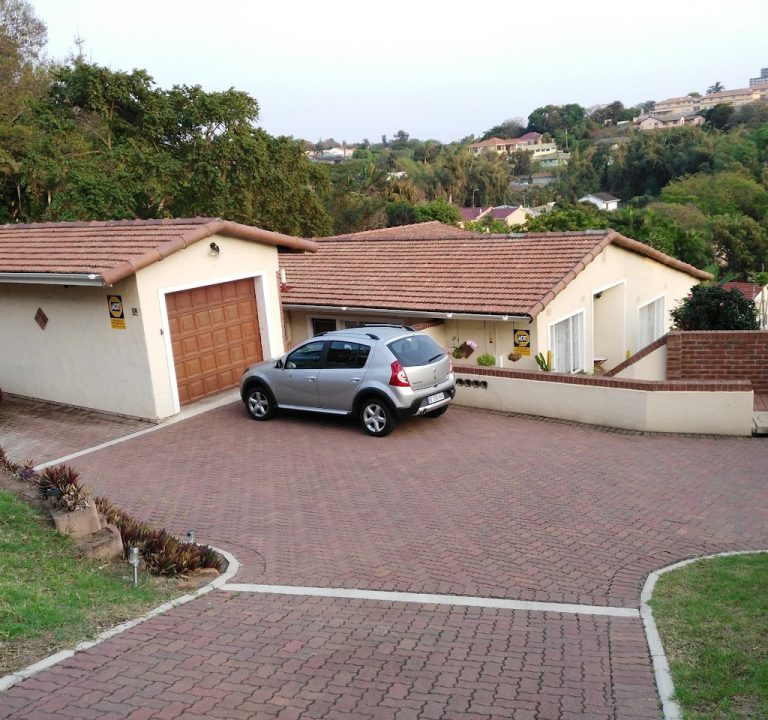
To illustrate a representative accommodation option, consider a self‑catering retreat such as Lily’s Cottage Durban West KZN. This kind of property offers a homey base from which to explore the city and its surroundings. Facilities typically include a private living space, a kitchen or kitchenette, comfortable bedding, and outdoor spaces for relaxing after a day’s sightseeing. For more information and to check availability, visit the property’s website: LilysCottage.co.za.
Food lovers should plan to explore Durban’s dining scene with an eye to variety rather than fixed venues. Instead of fixed names, look for venues that offer fresh seafood, vibrant curries and fusion dishes, as well as casual markets where you can sample street‑side snacks and regional specialities. If you’d like an organised experience, many guesthouses and boutique hotels can arrange guided neighbourhood walks, markets tours, or cultural demonstrations that showcase local crafts and traditions. In addition, consider day trips to nearby nature reserves, coastal towns, or the inland hills, which offer hikes, viewpoints and tranquil scenery far from the bustle of the central city.
In planning your stay, a practical checklist can help: confirm payment terms and cancellation policies, assess neighbourhood safety and accessibility to the places you want to visit, ensure your chosen accommodation aligns with your preferred level of privacy and space, and look for hosts who offer local insights and practical tips. With careful selection and a flexible itinerary, Durban can deliver a memorable mix of beach days, city culture, and exceptional South African hospitality.
- Consider areas by theme: beachside relaxation, city culture, and quiet residential stays.
- Check for self‑catering essentials: kitchen gear, storage, and proximity to shops.
- Assess transport options and parking arrangements for smooth travel.
- Look for flexible booking terms and clear house rules.