Durban: Accommodation, attractions and practical tips for a well-planned stay
Durban, perched on the east coast of KwaZulu-Natal, combines subtropical beaches with a vibrant cultural scene, making it a popular base for exploring the region. When choosing where to stay, consider the rhythm of the day you want—coastal breezes and sea views, leafy neighbourhoods with easy access to shops and eateries, or central districts that put museums and markets within walking distance. Durban offers a range of accommodation types, from characterful B&Bs and guesthouses to contemporary hotels and family-friendly lodges, each with its own flavour and pricing sweet spots.
One approach is to pick a base close to the beach for easy access to the promenade and warm Indian Ocean waters. Coastal suburbs tend to be busier in peak season and quieter in the early morning, making them ideal for sunrises, long walks, and quick meals at casual spots. For a more relaxed vibe with garden or mountain views, inland neighbourhoods provide tranquillity, parking convenience, and easy routes to the city’s cultural and culinary offerings. If you plan day trips to surrounding areas such as the Golden Mile, uShaka Marine World precinct, or nearby nature reserves, staying near major arteries or transport hubs can save time without sacrificing comfort.
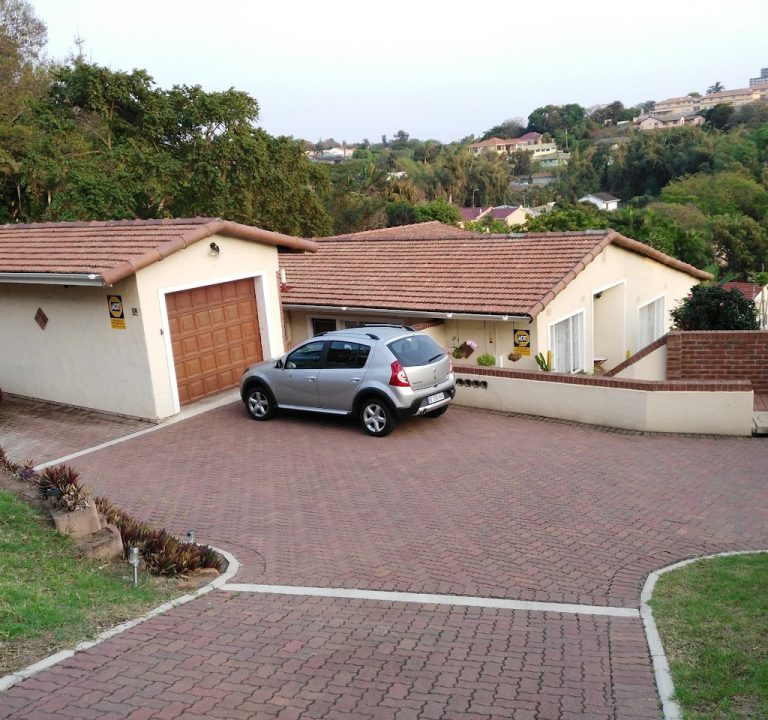
When booking, key factors to look for include comfortable beds with good linen, air conditioning or ceiling fans for Durban’s warm evenings, reliable Wi-Fi, and clear self‑check‑in or friendly reception for after-hours arrivals. Practical amenities to prioritise are secure parking, a well-equipped kitchenette or access to a shared kitchen, a refreshing pool or garden space, and on-site suggestions for local dining and activities. For families or larger groups, check room configurations and policy details on children, extra beds, and noise levels. If you prefer a personalised touch, a small guesthouse or B&B like Hollings Lifestyle Bed and Breakfast can offer intimate spaces, friendly hosts and local guidance, alongside breakfast options that showcase regional flavours.
Durban’s accommodation is often grouped by neighbourhoods with distinct personalities:
- Golden Mile and the beachfront precincts for sea views, easy promenade access and water-based activities
- Morningside and Greyville for central convenience and proximity to shops, cafés, and cultural sites
- Durban North and Umbilo for quieter streets, longer coastal walks, and more residential ambiance
- Musgrave and Glenmore for leafy streets, convenient access to universities and medical facilities
Transport in Durban is generally straightforward. If you plan to move about independently, renting a car provides flexibility to explore beyond the city, including inland valleys and nature reserves. Public transport options exist but can be limited in coverage and reliability outside peak hours, so a hybrid approach—central stays with day trips by car or ridesharing—often works well. Many guesthouses and hotels offer shuttle services or can arrange airport transfers for guests, which can be convenient after long flights. When navigating, allow extra time for traffic, particularly on weekends or during events at major venues.
Best time to visit Durban depends on your priorities. The city enjoys a warm climate most of the year, but expect higher humidity and afternoon showers in the summer months (roughly November to February). Winter (June to August) brings milder days and cooler evenings, which can be comfortable for city sightseeing and dining outdoors. If you’re keen on swimming or beach experiences, the late spring and early autumn shoulder seasons often provide pleasant conditions with fewer crowds. For visitors interested in markets, music, and cultural festivals, keeping an eye on event calendars can help you align a stay with happenings across the city.
When planning activities, mix a little culture with coastal leisure. Durban’s highlights are spread across museums, markets, and scenic viewpoints. You might designate mornings for a heritage walk along a historic district, afternoons for a family-friendly activity by the harbour, and evenings for alfresco dining or casual seafood suppers. For nature lovers, day trips to nearby reserves or coastal viewpoints offer gentle hikes and wildlife sightings without long travel times. Restaurants in Durban cover a broad spectrum—from casual seafood shacks and family eateries to modern bistros and stylish dining rooms offering contemporary KwaZulu-Natal flavours. Look for places that source ingredients locally and offer relaxed, friendly service, ideal for unwinding after a day of exploring.
Practical tips to make the most of a Durban stay:
- Book accommodation with a clear cancellation policy and reliable guest reviews to gauge consistency in service and cleanliness.
- Check the neighbourhood’s safety profile and transport access, especially if you plan to return late from evenings out.
- Pack seasonal layering for variable evenings and occasional rain showers, even in warmer months.
- Take advantage of local breakfast options to start the day with regional specialities and fresh produce.
- Plan a balanced itinerary with a couple of must-see draws and flexible time for spontaneous discoveries.
Durban is a destination that rewards a comfortable, well-planned stay with easy access to its sea, parks, markets and museums. Whether you choose a boutique guesthouse such as Hollings Lifestyle Bed and Breakfast or a larger hotel setup, prioritise restful spaces, practical amenities, and local guidance. With thoughtful planning, you’ll enjoy a seamless blend of relaxation and discovery as you experience the warmth and vibrancy of KwaZulu-Natal’s coastal city.