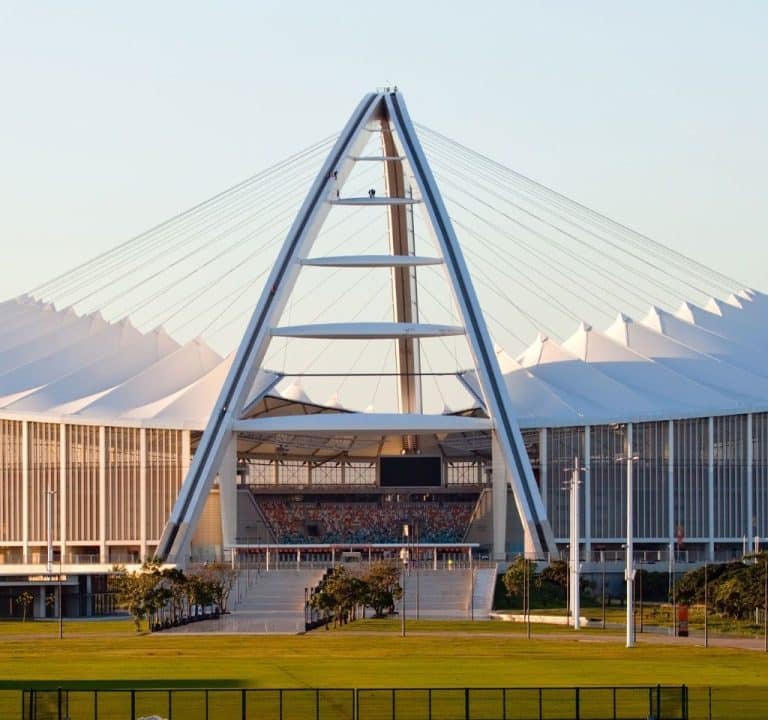
Durban, KwaZulu-Natal: where to stay, eat, and explore
Durban offers a vibrant mix of beaches, subtropical greenery, and a cosmopolitan atmosphere that blends Indian, African, and colonial influences. When planning a stay in this coastal city, consider your preferred rhythm—whether you want the buzzing beachfront precincts, quiet harbour views, or leafy residential neighbourhoods with easy access to shops and eateries. Durban’s accommodation spans stylish boutique guesthouses, mid-range city stays, and family-friendly lodges, all with a warm South African welcome. A notable example is Joy Palace, a well-appointed bed & breakfast that showcases the city’s hospitality ethos, ideal for travellers seeking a calmer base with personalised service.
Areas to consider
Walking access to the Golden Mile promenade is popular for those who relish beachside strolls and easy access to the city’s seafront attractions. The beachfront precincts, including South Beach and North Beach, tend to be lively, with a range of eateries, markets, and casual cafés within a short distance from accommodation. For a more traditional city feel, central Durban and the parliamentary/commerce hubs offer convenient access to shops, transport links, and cultural venues. Suburban neighbourhoods such as Morningside, Umhlanga, and Durban North provide quieter streets, stylish guesthouses or boutique hotels, and proximity to golf courses, nature reserves, and upscale dining. If you’re travelling with family, consider a property with kitchenette facilities or apartment-style suites in a secure complex, which can make mealtimes and siestas between outings easier.
What to look for when booking
- Proximity to transport links: Durban’s MyCiTi bus network and ride-hailing services are convenient for short trips along the coast or into the city centre. Check if your accommodation offers parking or easy access to taxi stands and pick-up points for excursions.
- Breakfast options and dining: Many B&Bs include breakfast, sometimes with options for South African favourites. If you plan to explore early or late, look for properties with flexible breakfast hours or self-catering facilities.
- Security and comfort: Secure parking, 24-hour reception, and well-lit neighbourhoods contribute to peace of mind, particularly in busy urban areas. In Durban, a few hosts may offer curated local recommendations for safe, reputable tours and eateries.
- Amenities that suit your style: Whether you value a private terrace, en-suite bathrooms, air conditioning, or a pool, filter choices by what enhances your stay. Proximity to beaches or markets can minimise daily travel time.
- Accessibility: If you have mobility considerations, verify access to lifts, ground-floor rooms, and ramped entry. Some properties may offer easy transport arrangements to popular beaches and viewpoints.
Typical amenities and what they mean for your itinerary
In Durban’s climate, air conditioning or ceiling fans are common and helpful. Many guesthouses provide comfortable lounge areas and communal spaces where guests share tips on local eateries and day trips. Free Wi-Fi is often standard, allowing you to plan routes to attractions like nature reserves, botanical gardens, and cultural precincts after a day on the coast. Expect clean daily housekeeping, fresh towels, and a personal touch from hosts who know the area well and can tailor recommendations to your interests, whether you’re chasing surf, shopping, or quiet coastal walks.
Transport and getting around
Durban’s coastline is compact enough for pleasant walks between beaches, markets, and cafés, but to reach further afield—such as the inland parks, hiking trails, or the lush riverine viewpoints—consider renting a car or using a reliable local taxi or rideshare service. If you plan day trips, most hosts can arrange or advise on guided tours, including wildlife experiences in nearby nature reserves or their coastal equivalents. For city exploration, the harbour area provides a scenic starting point for boat trips or market visits, and the southern suburbs offer straightforward routes to residential streets, cafés, and local galleries.
Best time to visit and practical tips
Durban enjoys a warm subtropical climate with year-round appeal. The peak surf season and clearer winter days make winter (June to August) a favourite for travellers seeking pleasant beach conditions without the peak humidity. The summer months (November to March) bring lush greenery and occasional rain showers, so pack a light rain jacket and a sunhat. If you’re visiting during school holidays or festive periods, expect busier streets and higher prices; booking ahead is advisable.
Practical tips to make the most of your stay
Reserve accommodation with flexible check-in times if your travel is likely to involve late arrivals. Confirm the availability of basic kitchen facilities or nearby dining options for evenings in, especially if you prefer a relaxed night after long days of exploring. Take a flexible approach to daily plans—Durban’s charm often lies in spontaneous discoveries, from an Admiral’s Market stall to a coastal walk that reveals a new vista or a friendly face at a café. If you’re travelling with family or a small group, look for properties offering multiple bedrooms or apartment-style layouts to maintain comfort and privacy. Finally, respect local guidelines on safety and parking, and always carry a map or offline navigation in case you venture into less familiar streets after dark.
Durban’s blend of golden coastlines, vibrant markets, and cosmopolitan dining makes it a compelling destination for beach lovers, culture seekers, and foodies alike. With a thoughtfully chosen base—from boutique B&Bs like Joy Palace to modern guesthouses in well-connected districts—you can experience the warmth of KwaZulu-Natal while enjoying convenient access to beaches, gardens, and the city’s diverse culinary landscape.