Durban, KwaZulu-Natal: Accommodation and Visitor Guide
Durban, on the east coast of South Africa, blends warm Indian Ocean beaches with a vibrant urban heart and lush inland scenery. When planning a stay, consider its diverse neighbourhoods, from beachfront precincts to leafy residential suburbs and hillside enclaves. Each area offers different vibes, distances to attractions, and transport options, making Durban a city that can be enjoyed at a relaxed beachside pace or a more urban, design-led stay.
Where to stay matters as you plan your days. The beachfront and Golden Mile area are convenient for those who want proximity to the sea, sunlight, and easy access to walks along the promenade. Inland, the Berea and Musgrave districts are popular with visitors seeking boutique guest houses, character-filled B&Bs, and easy access to shops and restaurants. For a modern, family-friendly setting with views over the harbour or the harbour-mouth, consider accommodation on the northern outskirts such as Umhlanga or the central estuary suburbs. For a more rural escape, some guest houses and lodges sit on the hills or in landscaped gardens just outside the city, combining KwaZulu-Natal’s green backdrop with comfortable, personal service.
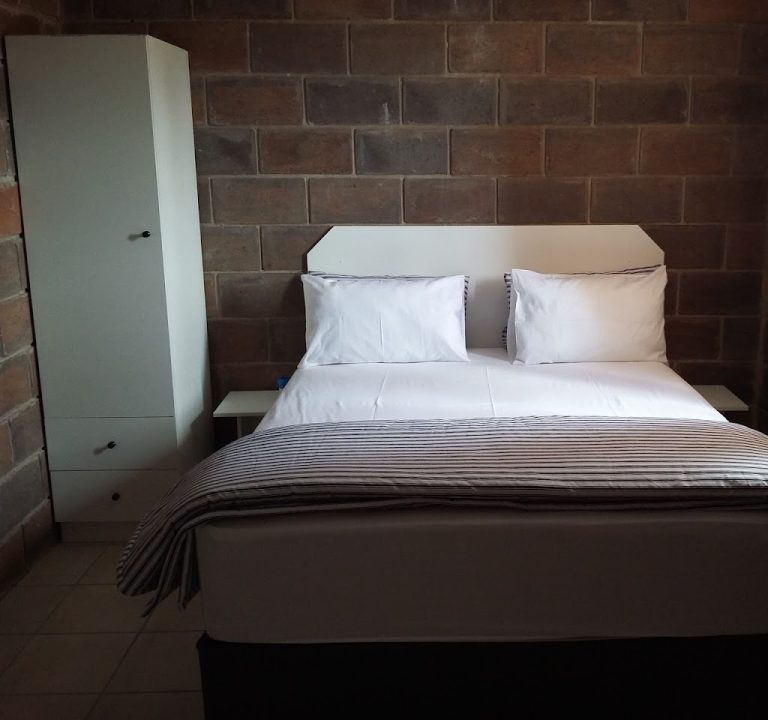
Typical accommodation options in Durban range from guest houses and boutique hotels to self-catering apartments and mid-range hotels. In guest houses and B&Bs you can expect a personalised approach, with hosts offering local tips, breakfast options, and a more intimate atmosphere. Boutique hotels often feature thoughtfully designed interiors, attention to detail, and convenient access to key sights. Self-catering options—ranging from compact flats to spacious apartments—are ideal for families or groups who prefer flexibility to self-prepare meals. When booking, look for listings that mention private parking, air conditioning (important in Durban’s humid months), reliable Wi‑Fi, and options for late check‑in if your arrival is after hours.
Key amenities to prioritise include robust air conditioning or fans, clean and well-maintained spaces, and thoughtful touches such as secure entry, good lighting, and access to a kitchen or kitchenette where applicable. If you value a shared lounge, garden, or pool, check how these spaces are managed and whether they are available for all guests. For families, ask about child-friendly facilities, while solo travellers might appreciate a well-equipped workspace or easy, safe access to dining and transport hubs.
Transport around Durban is straightforward but can vary by area. If you rely on public transport, check the proximity of the guest house or hotel to bus routes, taxi stands, or ride-hailing services. For visitors planning day trips or exploring multiple beaches, a car can be convenient, and many accommodation providers offer parking, sometimes at an additional fee. In urban areas with traffic, you may prefer a central base with walkable access to beaches, markets, and cafés. If you plan longer excursions to the interior landscapes of KwaZulu-Natal, a hire car or organised tours can unlock options beyond the city lights.
The best time to visit Durban hinges on your preferences. The city enjoys a subtropical climate, with hot, humid summers and mild winters. November to March brings warm beach days and the possibility of tropical showers, ideal for sun Seekers and surfers. April to May offers slightly cooler days and lower humidity, often a pleasant shoulder season. June to August are dry and mild, making it comfortable for sightseeing and outdoor markets, while September and October bring warming temperatures and springtime blooms. If you prefer quieter beaches and lower humidity, consider shoulder seasons outside peak holidays, bearing in mind some attractions operate seasonally.
When planning a stay, balance might be found in mixing beaches with cultural and gastronomic exploration. Durban’s coastline provides long stretches of sand and promenades for morning runs or sunset strolls. The city’s historic and modern precincts offer markets, street food stalls, and contemporary dining, with a range of cuisines that reflect KwaZulu-Natal’s diverse influences. For a relaxed day, you might explore coastal parks, a harbour viewpoint, or a riverside walk. For evenings, many areas buzz with casual eateries that focus on seafood, local produce, and fusion dishes, alongside traditional favourites. While it is wise to avoid overestimating schedules, a well-planned itinerary can combine sun, city culture, and nature without feeling rushed.
Useful practical tips for a comfortable stay in Durban:
- Pack light layers; evenings near the coast can cool after hot days, and indoor venues may be air‑conditioned.
- Stay hydrated and protect yourself from the sun; use reef-friendly sunscreen for coastal days.
- Book accommodation with parking if you plan to hire a car, and check access to the property at night.
- Ask hosts or front desk staff for current safety tips and local transport options—they can offer valuable, up-to-date guidance.
- Check peak season dates and local events, as these can affect availability and traffic.
- Consider self-catering options for flexibility, especially if you prefer to dine at home or explore a wider range of eateries at your own pace.
For inspiration and ideas, browse official tourism resources and reputable travel guides to plan your itinerary. Durban offers a warm welcome, scenic coastline, and a mix of accommodation styles that suit most tastes and budgets. A well-chosen base, plus thoughtful planning of beaches, markets, and dining, will help you make the most of KwaZulu-Natal’s distinctive hospitality and landscape. More information can be found at regional tourism sites and accommodation listings that highlight guest houses, boutique hotels, and self-catering options across Durban and its neighbouring suburbs.