Durban: Where to stay, what to see, and how to plan a memorable visit
Durban, in KwaZulu-Natal, blends subtropical beaches with rich cultural heritage, a vibrant dining scene and easy access to outdoor adventures. Whether you’re looking for a boutique stay near the famous Golden Mile, a family-friendly lodge in a leafy suburb, or a comfortable hotel with easy access to public transport, Durban’s accommodation offers something for every traveller. When planning a stay, consider the neighbourhoods that best match your interests and pace.
Areas to consider include the beachfront precinct along the Golden Mile, where many hotels, guesthouses and BnBs offer easy access to the promenade, swimming and sunlit strolls. Berea and Morningside are popular for leafy streets, cafe culture and a walkable city centre vibe. If you prefer a more relaxed coastal atmosphere with a quick hop to water activity, Umhlanga and Durban North offer high-end resorts, modern hotels and quieter beaches. For a more residential, artsy feel with easy access to university campuses and local markets, consider Glenwood or Greyville. Each area has its own character and transport links, so think about how long you want to travel to the beaches, major attractions, and dining spots when you book.
What to look for when booking a stay in Durban goes beyond price. Check for the following:
- Proximity to the attractions you want to visit, such as beaches, stadiums, or markets.
- Transport access: availability of on-site parking, proximity to bus routes or train stations, and ease of Uber or taxi connections.
- Type of accommodation: a boutique guesthouse can offer personalised service, while a larger hotel might provide more facilities such as a pool, gym or on-site dining.
- Facilities and amenities: air conditioning for Durban’s humid summers, reliable Wi‑Fi, secure parking, and a flexible check-in policy.
- House rules and guest experiences: child-friendly spaces, quiet floors for business travellers, and access to shared lounges or communal kitchens if relevant.
Typical amenities across Durban accommodation include comfortable beds, fibre or Wi‑Fi access, air conditioning or fans, in-room tea and coffee facilities, and en-suite bathrooms. Dining options range from continental breakfast service to on-site restaurants offering seafood, curry, and South African favourites. Many properties advertise access to communal lounges, rooftop terraces, or balconies with sea views. If you’ll be exploring by car, look for secure parking or easy street parking, and ask about the neighbourhood’s safe travel times at night.
Transport is central to getting the most from a Durban stay. The MyCiTi bus rapid transit system runs across the city and into suburban areas, providing a straightforward way to move between beach-front zones and inland districts. Taxis and ride-hailing services are widespread, and many properties can arrange transfers. If you plan to visit outlying attractions, a car will give you freedom, but the city also offers guided tours and day trips to nearby nature reserves and cultural villages. When booking, confirm availability of information on local routes and the best modes of transport for your itinerary.
The best time to visit Durban is during its warm, humid summers and mild winters. Summer (November to March) brings sunny beach days and occasional tropical showers. Winter (May to August) is cooler and drier, with pleasant days perfect for exploring the city and surrounding hills. Shoulder seasons can be ideal for travellers who want quieter streets and better-value accommodation. If you’re planning outdoor activities such as coastal walks or hillside excursions, pack light layers, sun protection, and a stash of water, especially for day trips along the coast.
Popular experiences in Durban often revolve around its coastal culture and natural surroundings. Enjoy long stretches of warm sea and golden sands, stroll along the boardwalks, or visit local markets and craft hubs to taste regional flavours. Inland excursions can include a safari-orientated park, botanical gardens, or forested valleys that offer cable car rides or scenic viewpoints. For food lovers, Durban’s restaurants showcase a mix of seafood, spicy curries and fusion dishes inspired by Indian, African and global cuisines. When planning dining, consider venues that offer a relaxed atmosphere with a focus on fresh ingredients and friendly service.
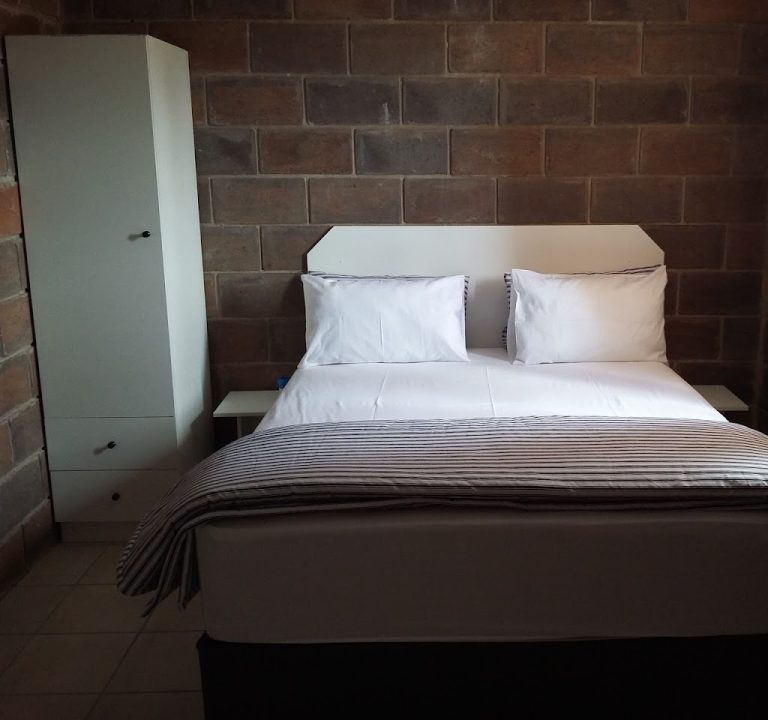
For accommodation that combines tradition with modern comfort, consider diverse options such as well-reviewed guesthouses, small hotels, and family-friendly lodges. One option for travellers seeking a central base with convenient access to Durban’s aquatic and urban attractions is the Bellair Hotel, which provides indoor lodging in a practical city location. More information can be found on the venue’s official website, which offers details on facilities, nearby attractions, and booking options: https://bellair-hotel.business.site/utm_sourcegmbutm_mediumreferral
Practical tips to help you plan a smooth stay:
- Book accommodation with flexible cancellation policies, especially during peak holiday periods.
- Confirm the availability of essentials such as air conditioning, reliable Wi‑Fi, and on-site parking if you’re driving.
- Ask about in-house guest information, such as maps, local dining suggestions, and transport tips from the property.
- Consider booking a mix of restful nights and activity-filled days to balance travel fatigue with city exploration.
- Keep a small, secure bag for day trips and carry a light rain jacket for unexpected showers in the summer months.
Durban rewards curious travellers with its sunshine, friendly city life and a gateway to coastal and inland adventures. By choosing a well-situated base, planning transport options ahead of time, and balancing activity with downtime, you can craft a stay that captures the warmth and character of KwaZulu‑Natal’s premier city.