Durban: Where to Stay, What to Do, and How to Plan a Memorable Visit
Durban, a coastal city in KwaZulu-Natal, blends subtropical beaches with vibrant culture, making it a versatile destination for travellers seeking sun, sand and South African hospitality. When planning a stay, consider the different neighbourhoods and lodging styles that suit your pace, budget and interests. From self‑catering flats and cosy guesthouses to modern hotels and family‑friendly resorts, Durban offers accommodation that can feel like a home away from home while placing you close to the city’s key sights and experiences.
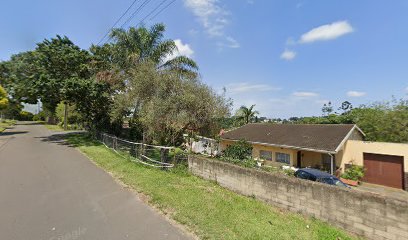
Areas to consider include the Golden Mile and central beachfront for easy access to beaches, promenades and casual dining; the Berea for a leafy, quieter stay with historic architecture and handy links to the city centre; and Umhlanga, a bit further north, known for newer hotels, shopping and a marine‑paradise setting. Durban North and the outskirts offer peaceful residential pockets and self‑catering options, often with parking and garden space, ideal for families or longer visits. If you want to stay in the heart of the action, the city centre and Durban’s harbour precinct provide a mix of stays with convenient transport connections and access to markets, eateries and cultural venues.
When choosing accommodation, think about what matters most for you. If you plan long stays or travel with family, a self‑catering apartment or a well‑equipped guesthouse with a kitchenette and laundry facilities can be invaluable. For couples seeking a boutique experience, a stylish hotel or a cosy B&B with personalised service might be preferable. For longer stays, look for properties with secure parking, reliable Wi‑Fi, practical kitchens or kitchenettes, and trusted housekeeping arrangements. Always check recent guest reviews for cleanliness, staff responsiveness and the accuracy of listings, and check cancellation policies that suit flexible travel plans.
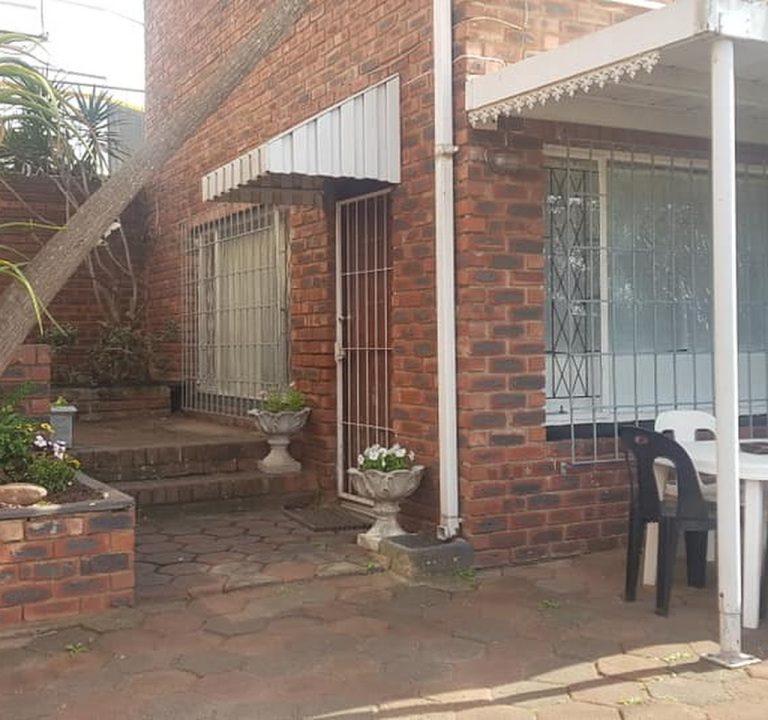
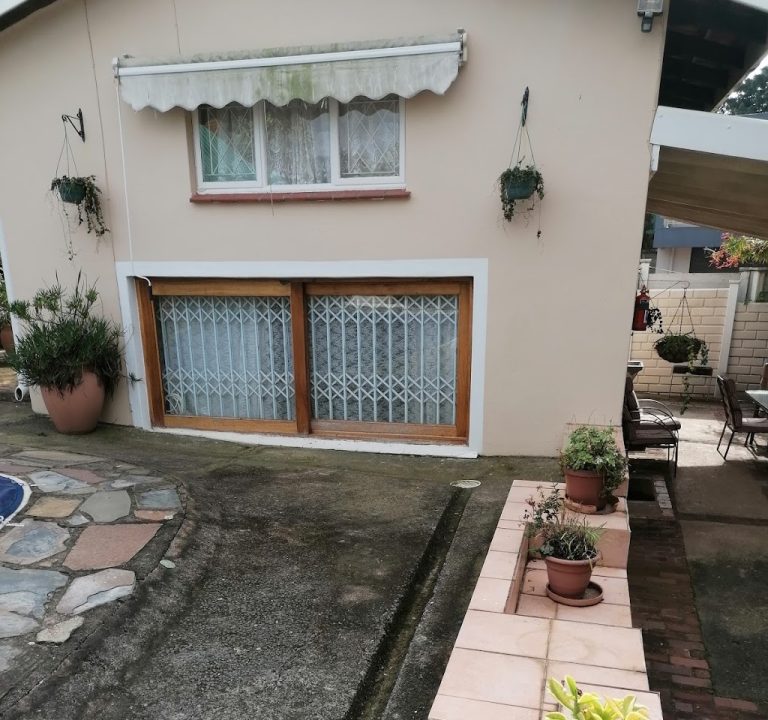
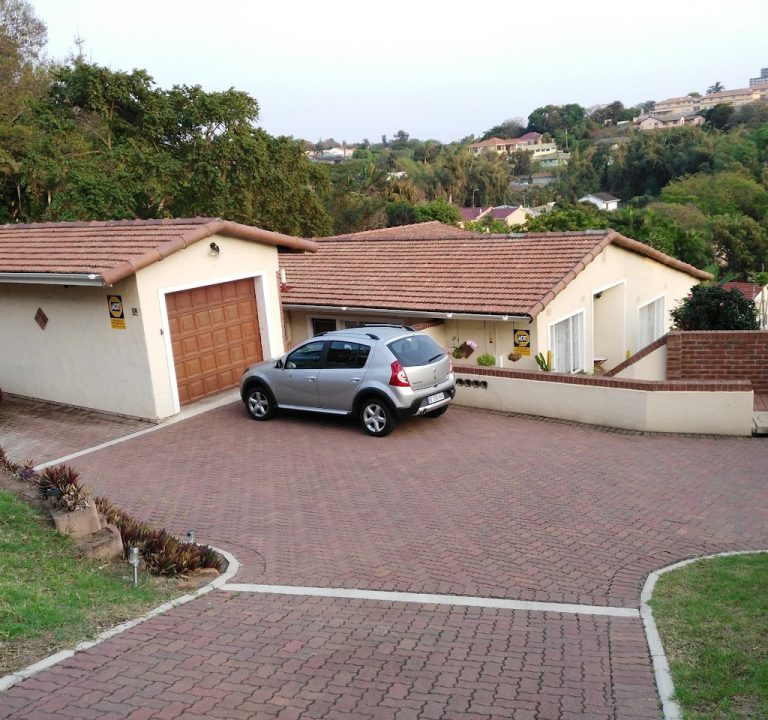
Typical amenities in Durban’s lodgings often include free or on‑site parking, air‑conditioning, secure access, and optional rural or coastal views. You may find rooms with balconies, in‑room safes, and in some places, access to shared or private courtyards and swimming pools. Self‑catering options frequently advertise full kitchens or kitchenettes, with supermarkets and fresh markets nearby. If you are visiting during peak season, request early confirmations for rooms with sea views or balconies, and consider proximity to beaches or well‑lit walking routes for evening strolls.
Transport is a practical consideration in Durban. The city is well served by roads, and road trips to nearby natural reserves or hillside communities are common. For city travel, ridesharing and taxi services are widely available, while some areas offer limited public transport connections. If you prefer independence, a car rental gives you flexibility to explore diverse beaches, viewpoints and cultural precincts at your own pace. When booking, verify access to parking, ease of entering and exiting the building, and whether there are any additional charges for late check‑in or luggage storage.
The best time to visit Durban is typically during its warm, subtropical climate. The summer months (roughly November to February) bring long days, holiday crowds and occasional tropical showers. Winter (June to August) offers milder temperatures and calmer surf, which can be ideal for beach walks, markets and inland excursions. Shoulder seasons can be especially pleasant for sightseeing and dining out, with fewer crowds. If you plan to combine a beach stay with inland activities such as nature reserves or hill country tours, align your dates with your preferred pace and weather expectations.
Durban’s attractions are broad and family‑friendly, with beaches forming a central draw. Along the coastline you’ll encounter promenades, parks and public art, while inland, nature reserves and rolling hills offer scenic drives and easy hikes. Cultural and historical highlights can be found in architectural precincts and markets, where you can sample local flavours and crafts. For food lovers, Durban’s dining scene is celebrated for its seafood, curries and fusion flavours reflecting the city’s diverse communities. In general terms, you’ll find a range of casual spots, family‑friendly eateries and more refined venues, with menus that typically showcase fresh produce and coastal influences. When planning meals, you can book table reservations in advance at busier venues or simply enjoy stroll‑up options in busy seaside areas.
To help you plan a smooth stay, here are practical tips to consider before you travel:
- Check cancellation policies and the exact location relative to beaches and transport hubs.
- Choose accommodation with parking if you are driving, and verify security features for your peace of mind.
- Look for self‑catering facilities if you prefer flexibility with meals and budgets.
- Assess access to reliable Wi‑Fi for work or streaming, especially in quieter residential areas.
- Consider what you want to do each day and pick a base that minimises long transfers.
For further inspiration and practical ideas, you can explore Durban’s tourism resources and official visitor information online. They provide guidance on where to stay within the city’s varied neighbourhoods, suggested day trips, and pointers to dining and shopping experiences. With Maryland beaches, vibrant markets and friendly hospitality, Durban remains a destination where a well‑chosen base can unlock a rich itinerary of relaxation, culture and adventure. Whether you’re seeking a self‑catering haven for a longer visit or a comfortable hotel as a springboard to nearby attractions, Durban offers options to suit most styles of travel.
Further information and ideas can be found at official Durban tourism pages and KwaZulu‑Natal visitor resources: Durban Tourism, KwaZulu‑Natal Tourism.