Durban: Accommodation Planning, Local Experiences and Practical Tips
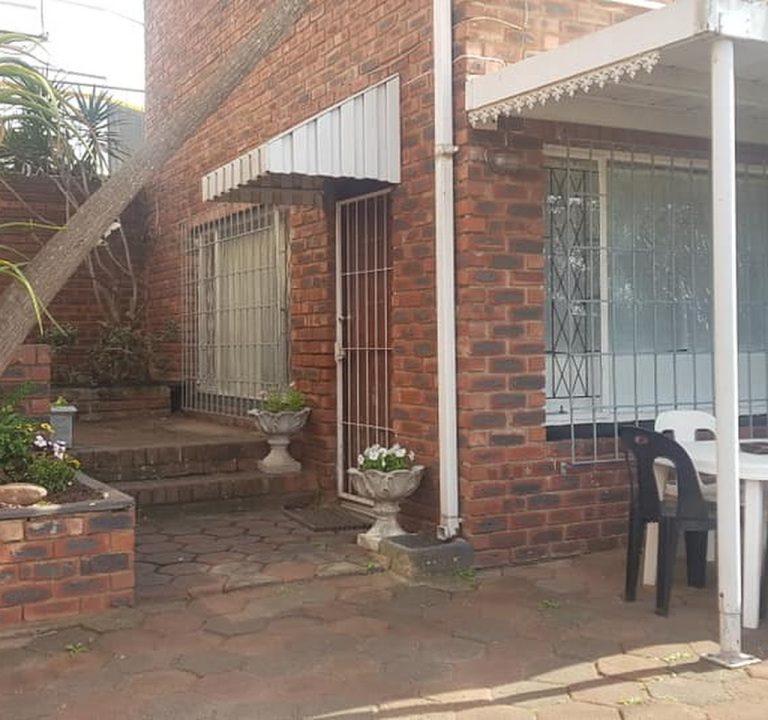
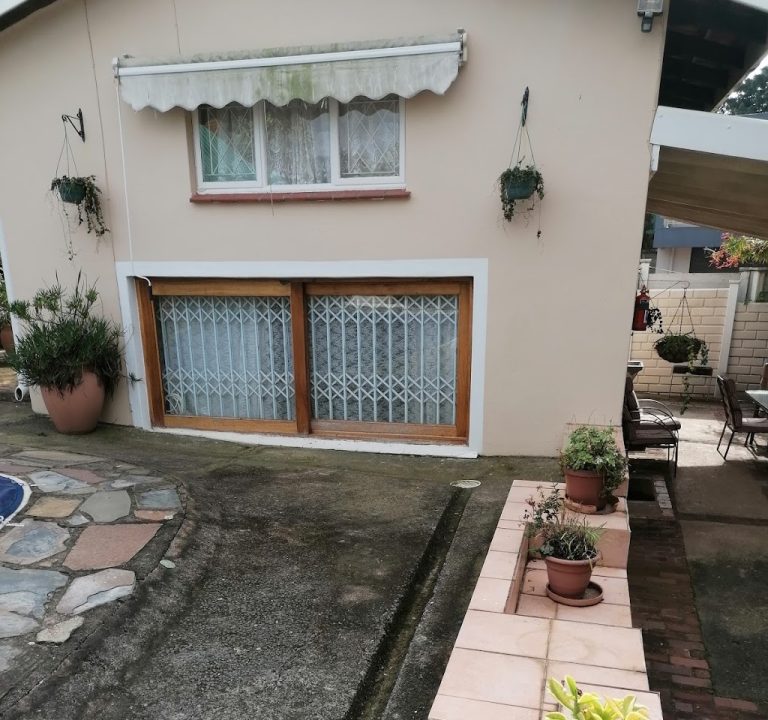
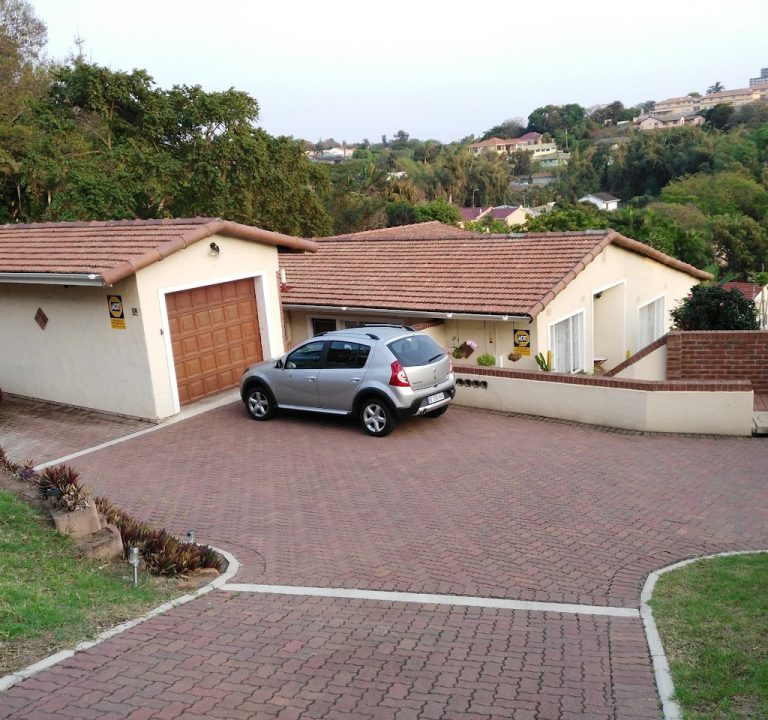
Durban, set on the eastern coast of KwaZulu‑Natal, offers a rich mix of tropical coast, vibrant urban life and subtropical hinterland scenery. When planning a stay, many visitors balance proximity to the Golden Mile and beachfront promenade with convenient access to cultural hubs, markets, and family‑friendly attraction options. A range of accommodation from stylish boutique guesthouses to larger self‑catering options provides flexibility for couples, families and longer stays. For those seeking a self‑catering base, Dove’s Nest represents one of several options in the region that combine practical living spaces with a continental climate and easy access to Durban’s highlights. For more information, you can visit the associated listing at http://www.mhppmg.co.za/.
Where to stay in Durban often comes down to a few key areas. The beachfront and Golden Mile area are ideal for guests who prioritise sea views, easy walks along the promenade, and quick access to beaches and casual dining. Popular inland districts offer a quieter, more residential feel with leafy streets, close proximity to markets and dining precincts, and easier parking for travellers with a car. For a taste of city culture and nightlife, staying near central Durban or the suburb belts near the business district can shorten travel times to major attractions while still offering a calm retreat after a day of sightseeing.
When choosing accommodation, consider the following factors to help you get the best value and comfort:
- Location relative to your planned activities, transport options and any planned day trips.
- Type of stay: hotel room, guesthouse, boutique hotel, or self‑catering apartment or house.
- Amenities that match your needs, such as kitchen facilities, private terraces, adequate parking, laundry, air conditioning, and reliable Wi‑Fi for work or streaming.
- Access to on‑site or nearby dining options, or the convenience of self‑catering with a well‑equipped kitchen.
- Guest reviews and transparent policies on cleanliness, check‑in times, security, and cancellation terms.
- Proximity to transport links, including bus routes, airport transfers, and the possibility of ride‑hailing services.
Typical amenities in Durban properties range from en‑suite bathrooms and secure parking to air conditioning and well‑equipped kitchens in self‑catering units. Many guesthouses and boutique hotels offer complimentary breakfast, while others operate on a room‑only or self‑catering basis. Look for properties with reliable housekeeping schedules, a clear description of what is included in the rate, and easy access to local information desks or in‑house staff who can offer recommendations for day trips and dining.
Transport in Durban is relatively straightforward, with a network of taxis, ride‑hailing services and bus routes. If you are staying near the beachfront, walking is a pleasant option for short distances, while for longer excursions a car rental or private transfer can save time. Some areas offer secure parking or limited on‑street parking; check this in advance if you plan to drive. For those who rely on public transport, ask hosts or reception for guidance on the best routes to popular attractions and practical tips on safety and peak‑hour timings.
The best time to visit Durban generally aligns with the city’s warm, subtropical climate. Summers (roughly November to March) are hot and humid with the possibility of tropical showers; winters (June to August) are mild and typically dry, making it a comfortable period for outdoor activities and scenic coastal walks. For beach lovers, shoulder seasons can offer pleasant temperatures with fewer crowds. If you are drawn to outdoor adventures, Durban’s coastal and inland parks are particularly enjoyable in the drier months, while cultural events and markets are year‑round draws that continue to attract visitors outside peak holiday periods.
Attractions and experiences in Durban span nature, culture and cuisine. Many visitors explore the iconic beaches and promenade, with opportunities for water‑based activities, cycling paths and sunset views. Cultural experiences may include markets, galleries and historic architecture that reflect Durban’s multicultural heritage. Family‑friendly options often centre on aquariums or nature reserves, and day trips can include nearby reserves or nature trails in the surrounding province. Dining in Durban tends to feature a blend of coastal seafood, Indian‑influenced dishes, and contemporary South African cuisine, with casual eateries and restaurants offering approachable menus and vibrant atmospheres. For a full plan, consult local visitor guides or hotel concierges who can suggest neighbourhood dining hubs and day‑trip itineraries based on your interests and pace.
Practical planning tips for a smooth Durban stay:
- Book accommodation with a clear cancellation policy and a practical check‑in window, especially if you are arriving late from the airport or rail terminal.
- Consider a stay that offers a balance of time near the coast and access to urban amenities, so that you can tailor days to weather and activity levels.
- Prepare for tropical conditions by packing light, breathable clothing, sun protection, and a basic rain layer for the occasional shower.
- Ask hosts or property managers for recommended safe walking routes, parking rules, and local transport tips to avoid delays.
- Check for laundry facilities if you are travelling with children or planning longer stays.
Durban’s accommodation landscape supports a flexible stay, whether you prefer a self‑catering base such as Dove’s Nest, a boutique guesthouse echoing local charm, or a modern hotel with on‑site dining. With thoughtful planning around location, amenities and transport, you can tailor a Durban visit to your pace and interests, making the most of the city’s coastal beauty, cultural richness and culinary variety.