Durban: Accommodation, attractions and practical planning for a traveller-friendly stay
Durban, on KwaZulu-Natal’s Indian Ocean coastline, offers a warm climate, vibrant street life and a rich blend of cultures. Whether you prefer a stylish hotel overlooking the Golden Mile, a tranquil guesthouse tucked away in leafy neighbourhoods, or a cosy lodge on the edge of the city’s buzzing suburbs, there are plenty of lodging options to suit different styles and budgets. When planning a stay, think about how you want to move around, what you would like to explore, and how much time you have to soak up the coastal atmosphere and inland scenery.
Areas to consider when booking include the central beachfront precinct, where many hotels and holiday flats put you within easy reach of the sea, promenades, markets and nightlife. For a more relaxed pace, consider the southern suburbs or inland pockets that offer quiet residential streets, leafy walks and proximity to regional parks. The central business district can be convenient for access to business facilities and cultural institutions, while the northern and southern gateways provide direct routes to major highways, shopping centres and the open spaces beyond the coast. If you are travelling with family or in search of a languid escape, look for properties with family rooms, secure parking and easy access to beaches or parks.
When you book, look for several practical amenities. A reliable air conditioner or ceiling fans are essential in Durban’s humid summer months. Good Wi-Fi, adequate storage for luggage, and a flexible check-in policy can make a big difference to the comfort of your stay. On-site parking is useful if you are hiring a car, which is often the most convenient way to explore wider KwaZulu-Natal. Many guesthouses and lodges offer inclusive breakfast, which can be a delightful start to mornings spent visiting markets or heading to the beach. If you are staying in a self-catering unit, verify the kitchen facilities, including a refrigerator, stove or microwave, and essential kitchenware.
Transport options in Durban vary by neighbourhood. The metropolitan area benefits from a coastal tram-like promenade spirit along the Golden Mile, taxis and ride-hailing services, and a growing network of bus routes. If you plan day trips to nearby towns, nature reserves or the Hawaan Forest, a car gives you flexibility. For those who prefer not to drive, choose accommodation close to a shopping centre or transit hub with easy access to organised tours or guided experiences. In all cases, check whether the property can assist with airport transfers or day trips, and whether they provide information on local safety tips for visitors.
Best time to visit Durban often depends on weather and events. The city enjoys a subtropical climate, with warm, humid summers and mild winters. Winter (June to August) is drier and comfortable for sightseeing and wildlife excursions, while summer (December to February) brings lively beaches and tropical showers. Autumn and spring can offer pleasant temperatures and slightly quieter streets. If you are aiming to experience local culture, look out for markets, music and food events that showcase Durban’s diverse communities, but be prepared for occasional showers if you are visiting outside the peak dry season.
Accommodation in Durban spans modern city hotels, boutique guesthouses, family-friendly lodges and secluded self-catering properties. A reliable approach is to shortlist two or three core priorities—beach access, proximity to dining and nightlife, or a peaceful garden setting—and then compare what each property offers in terms of room types, breakfast options, and guest facilities such as swimming pools, laundry services, or outdoor patios. For a more immersive stay, consider a property that can arrange recommendations for local experiences, from spice markets and crafts to nature walks and coastal safaris.
When it comes to experiences, Durban’s attractions lean towards its coastal charm and cultural diversity. You might enjoy walking along the promenade, visiting markets and art galleries, and sampling regional flavours in informal eateries and family-run restaurants. If you are interested in nature, the nearby harbour areas, coastal reserves, and forested walks offer refreshing day trips. For families, child-friendly parks and safe beaches provide straightforward days out. Plan at least one longer excursion to explore the broader KwaZulu-Natal coastline or inland landscapes, such as hill towns, game reserves or botanical gardens, depending on your interests and time.
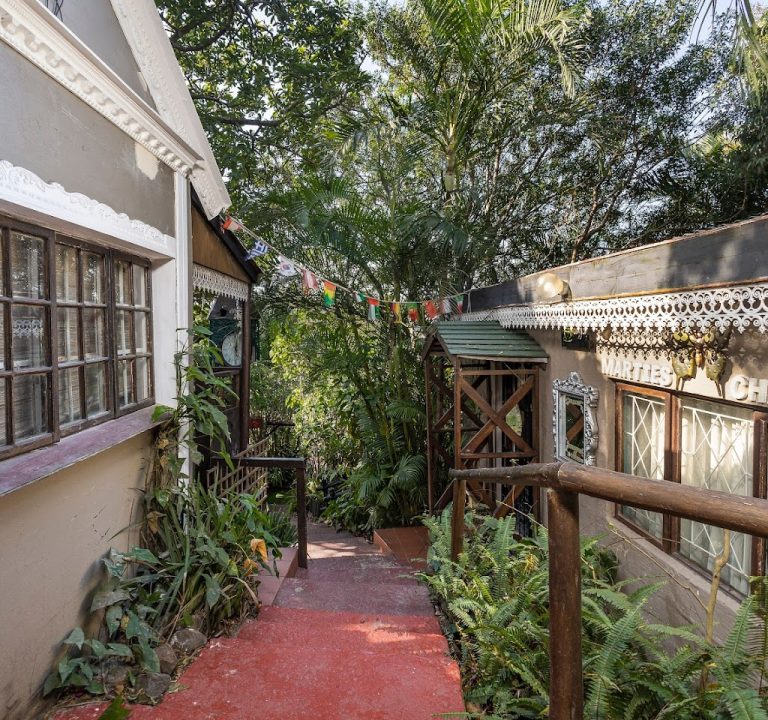
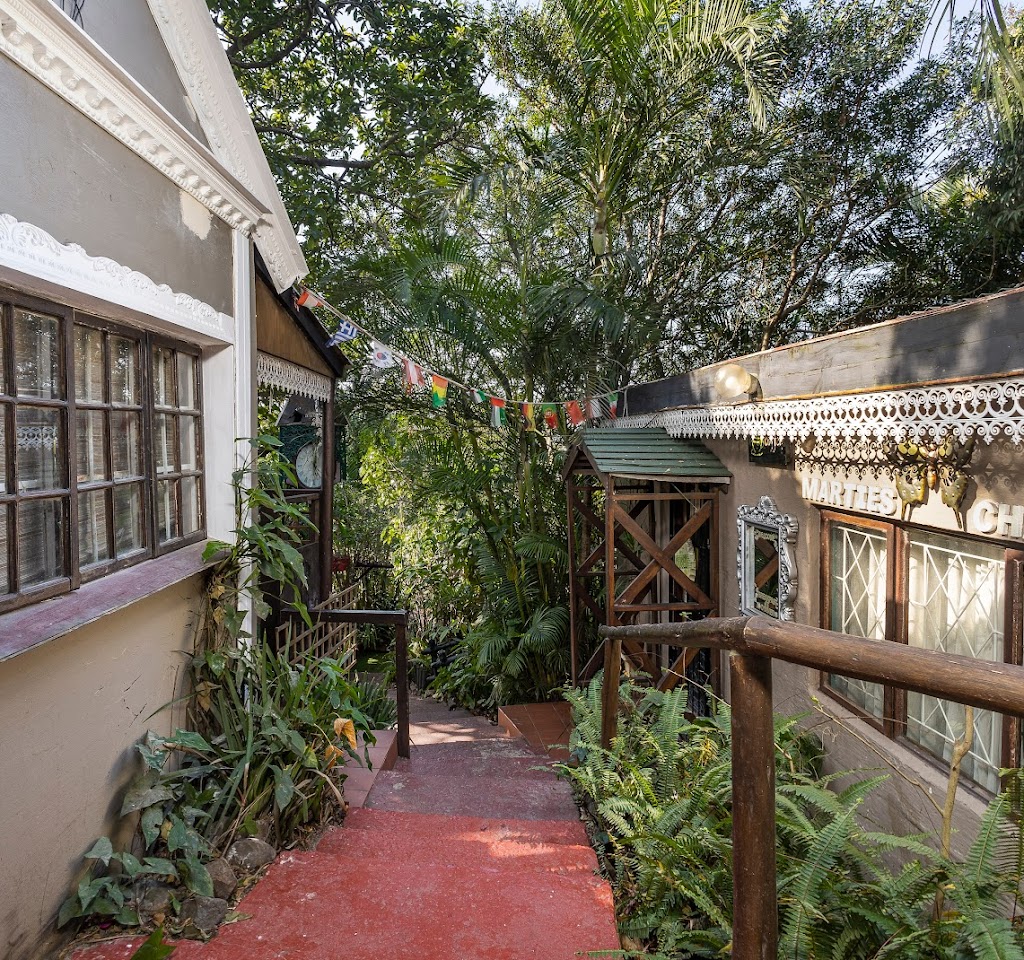
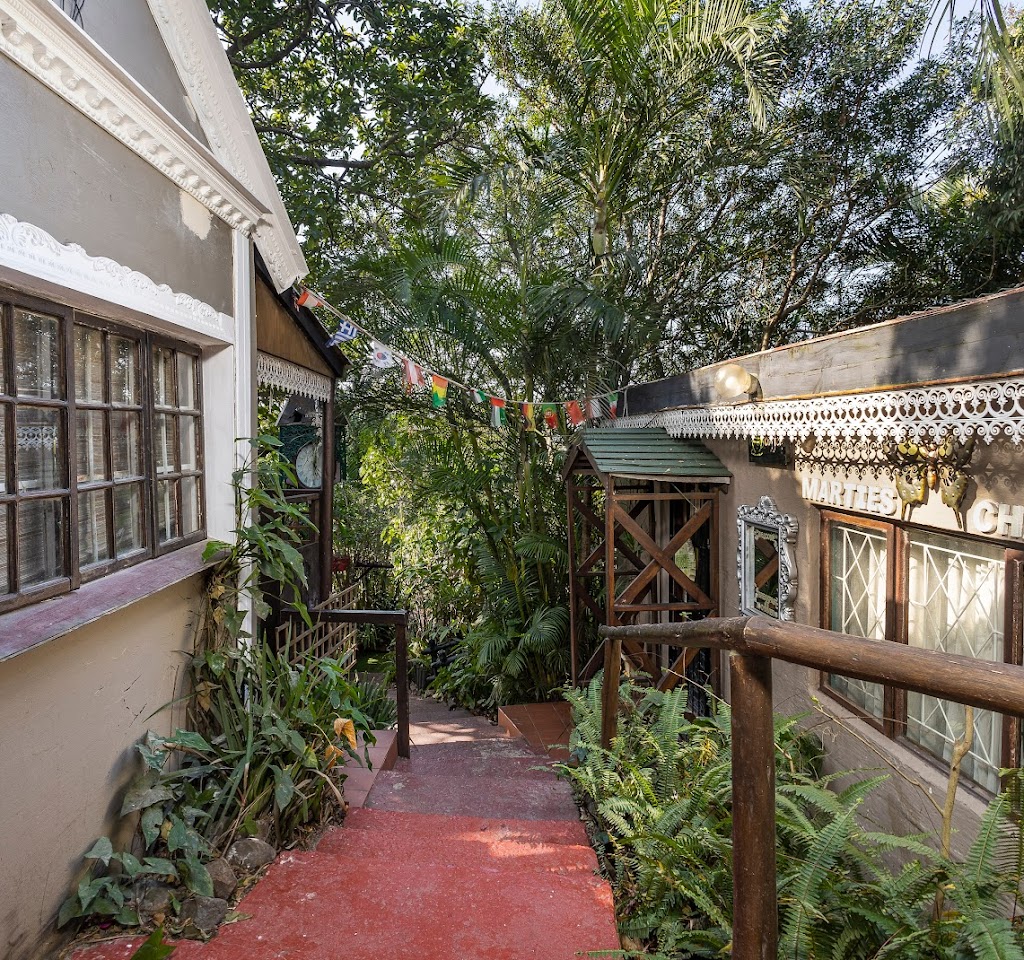
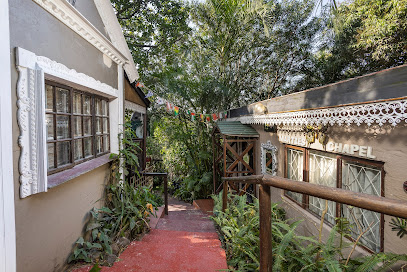
Notable lodging options in Durban include a range of characterful properties that match different tastes. One example property to consider is Eagle Forest Inn, a lodging option that blends a welcoming atmosphere with practical amenities. You can explore the property’s website for more details about room configuration, facilities and location, and assess whether it aligns with your plans for a calm base from which to explore the region: https://www.eagleforestinn.co.za/
Dining and nightlife in Durban are wonderfully varied. You may encounter casual beachside cafés offering fresh seafood and grilled dishes, as well as more formal restaurants celebrating fusion and traditional flavours. When choosing where to eat, consider proximity to your base, suitability for the time of day (breakfast versus dinner), and whether you prefer venues with relaxed atmospheres or a more polished dining experience. South African hospitality often means friendly service and generous portions, so it is worth leaving a little budget for a couple of leisurely meals to sample a range of flavours.
- Tip for planning: book accommodation with flexible cancellation policies where possible, especially if you are unsure about dates or travel health considerations.
- Tip for comfort: verify air conditioning, ventilation, and shade options in outdoor spaces to maximise comfort during warmer months.
- Tip for exploration: plan a basic two- to three-day itinerary that balances beach time with cultural sights and a nature excursion.
Durban offers an approachable mix of seaside leisure, cultural discovery and easy access to the wider KwaZulu-Natal area. By selecting a well-situated base, checking for key amenities, and planning a balanced mix of activities, you can tailor a stay that feels restorative yet energising. Whether you’re strolling along the shore, exploring markets and eateries, or venturing to nearby landscapes, Durban’s hospitality scene supports a comfortable and rewarding visit.