Durban: Accommodation and Attractions for a Memorable Stay
Durban, a dynamic coastal city in KwaZulu-Natal, blends warm Indian Ocean shores with a rich cultural heritage and a vibrant culinary scene. For travellers seeking a comfortable base, there are options to suit every style and budget, from boutique guesthouses tucked away in leafy neighbourhoods to modern hotels along the promenade and family-friendly lodges just outside the city centre. Planning a stay in Durban is as much about choosing the right neighbourhood as it is about selecting the right kind of room and amenities.
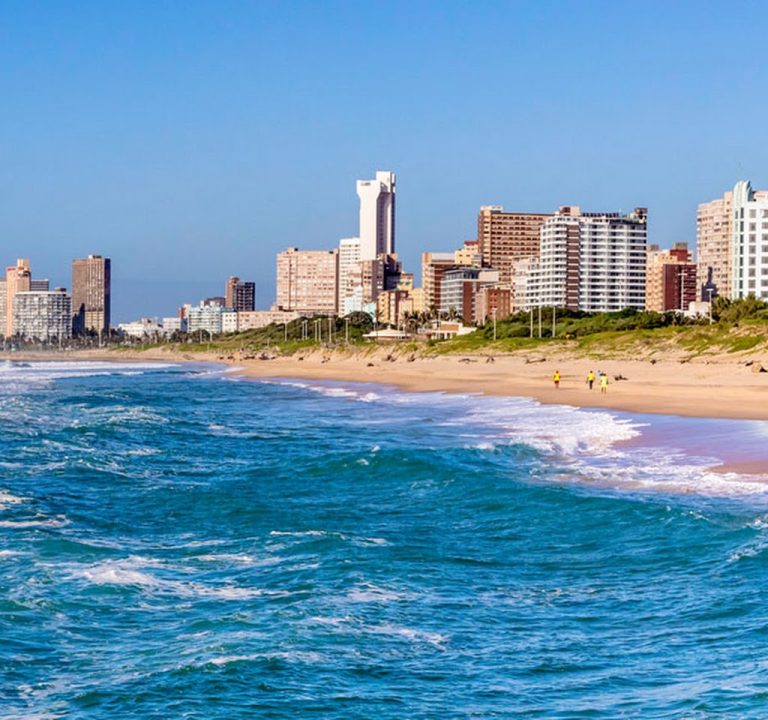
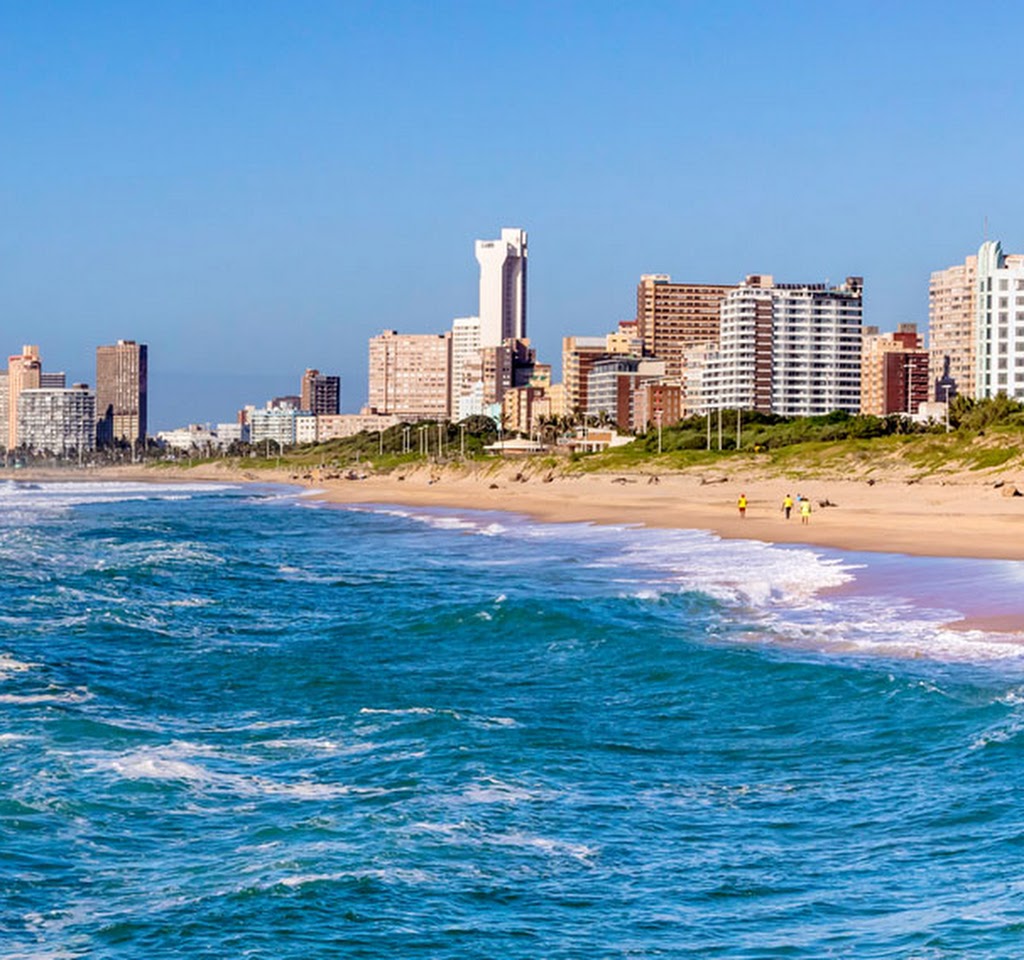
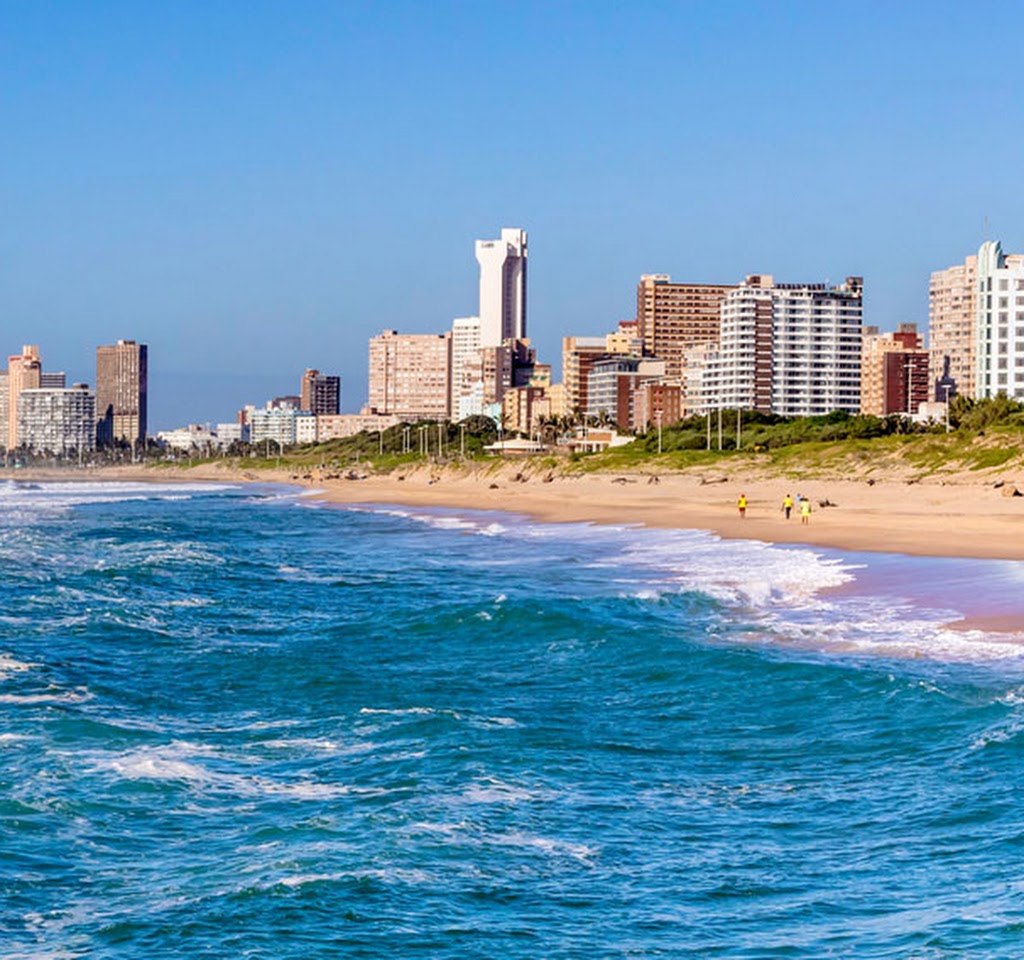
When choosing where to stay, consider the pace you want and the experiences you hope to enjoy. The north of the city tends to feel more resort-like, with easy access to long sandy beaches and a relaxed vibe. The central and central-south districts offer convenient access to commercial hubs, markets, and a mix of eateries, while the southern suburbs often provide quieter streets and leafy residential character. If you’re visiting for the waterfront and the promenade, stay within walking distance of the sea or easily accessible by car or public transport. For a culturally immersive stay, brace yourself for a short taxi or rideshare ride to areas with bustling street markets and historic sites.
Typical amenities to look for include reliable air conditioning in warmer months, especially from December to February, and good sound insulation if you’re near busy streets or night-time activity. Many Durban properties offer free Wi-Fi, on-site parking, and continental or full English breakfast options. If you’ll be exploring by car, confirm parking arrangements in advance, as some popular neighbourhoods have limited street parking. Practical touches such as a well-equipped kitchenette or coffee station can be a bonus for longer stays, while a small outdoor terrace or garden area is ideal for downtime after day trips.
Transport around Durban is generally straightforward. A combination of Uber or other rideshare services, local minibus taxis, and reputable taxi operators can get you between major sights and neighbourhoods. If you plan to venture beyond the city, consider renting a vehicle for greater flexibility, particularly if you want to explore the surrounding KwaZulu-Natal coast or inland reserves. For shorter hops, many accommodation options provide shuttle arrangements or can arrange trusted local drivers. If you’re arriving by air, the international airport is a common starting point, with several accommodation options offering easy access to and from the terminal.
The best time to visit Durban is influenced by its subtropical climate. Summers (roughly November to March) are warm and humid with regular sea breezes, ideal for beach days and outdoor markets. Winters (June to August) are milder and subtler, often pleasant for long walks and city exploring. The city’s weather is generally conducive to outdoor activities most of the year, but plan for summer thunderstorms and humidity. If you’re after quieter periods and potentially lower rates, shoulder seasons around spring and autumn can offer a more relaxed pace while still providing plenty of daylight for sightseeing and dining out.
Durban’s attractions span shorelines, nature, and cultural experiences. Along the coast, the promenade provides a scenic route for strolls, runs, and casual cycling, with chances to dip into beaches along the way. Inland, you’ll find markets, museums, and historic districts that tell the story of the city’s diverse communities. For outdoor enthusiasts, nature reserves nearby offer a chance to spot wildlife, enjoy hiking trails, and discover coastal ecosystems. Families might appreciate safe, interactive spaces suitable for children, while food lovers can expect a range of eateries that reflect the city’s multicultural influences without committing to specific venues here.
Food and drink in Durban showcase a fusion of influences, from coastal seafood to flavours inspired by Indian and African cuisines. Many accommodation providers partner with local restaurants or offer curated recommendations, so you can sample everything from casual eateries to more refined dining. When planning meals, consider trying a mix of casual lunch spots near your base and a couple of more special dinners that capture the region’s culinary spirit. If you’re self-catering, a property with a well-equipped kitchen and access to a grocery store can greatly simplify longer stays.
Putting together a practical itinerary involves balancing time between beach days, city sights, and chosen day trips. A typical approach might include mornings on the shore or a coastal walk, afternoons exploring markets or museums, and evenings sampling neighbourhood dining or beachfront cafés. Booking accommodation with a central or well-connected location can help you maximise time, reduce transit, and enjoy a calmer pace after busy days. If you’re organising a multi-day break, consider staying in more than one area to experience different facets of Durban without long daily commutes.
Useful pointers for a smooth Durban stay:
- Verify parking arrangements and access to essential services near your chosen area.
- Check cancellation policies and whether the property offers flexible dates or last-minute deals.
- Ask about breakfast options and available kitchen facilities to suit your plans.
- Inquire about proximity to public transport routes and main attractions to optimise your itinerary.
- Pack light clothing, a sunhat, sunscreen, and a reusable water bottle for comfort during warm days.
For further inspiration and practical planning, reputable Durban and KwaZulu-Natal tourism resources can provide current details on neighbourhood highlights, transport tips, and general visitor guidance. A useful starting point is the official tourism sites and city pages, which offer up-to-date information to help tailor a stay that suits your interests and budget. Whether you’re drawn to long beachfront stays, cultural explorations, or relaxed weekend breaks, Durban offers a welcoming base from which to explore one of South Africa’s most diverse coastal regions. For more ideas and background, you can explore general travel guidance at dedicated Durban and KwaZulu-Natal pages, and plan a stay that captures the city’s warmth and character.