Durban: where to stay, savour local flavour, and plan your visit
Durban, on KwaZulu-Natal’s subtropical coast, offers a warm, vibrant backdrop for a short break or a longer stay. From sun‑soaked beaches and bustling harbourfronts to leafy residential pockets and modern shopping districts, the city lends itself to a comfortable mix of relaxation and exploration. When choosing accommodation, consider not only price and style but also proximity to the areas you plan to explore and how you’ll get around.
For a city break that blends convenience with character, you’ll find a range of options. In the central and southern stretches of Durban, you can discover hotels and guesthouses that are walkable to the beachfront promenade, while the Berea and Greyville areas offer leafy avenues and easy access to museums, markets, and the Old Town. If you prefer a more contemporary resort vibe, the northern coast around popular beaches and seasonal dining zones can be a good fit. For university life or budget-conscious stays with a social scene, consider options around student-friendly pockets such as Montrose, where junior‑style digs and practical amenities might feature.
Montrose Student Residence (where applicable) and similarly styled properties can be integral to a stay that combines affordability with a lively, youthful air. These residences often provide self‑catering facilities, communal spaces, and secure access, which can be practical for families or groups seeking flexible dining and day trips along the coast.
What to look for when booking
- Location and access: proximity to the beach, major promenades, and your planned activities helps minimise travel time and costs. Consider easy access to main roads or public transport hubs.
- Amenities: reliable wifi, air conditioning, secure parking, self‑catering or breakfast options, and considerate housekeeping schedules can make a big difference for longer stays.
- Transport options: Durban is spread out, so check if the property is near taxis, rideshare pick‑ups, or local bus routes. If you’re renting a car, confirm on‑site parking and how convenient it is to reach key routes inland or to nearby towns.
- Guest reviews and safety: recent guest feedback about cleanliness, soundproofing, and helpful front‑desk staff is often a good proxy for what you can expect.
- Value and flexibility: look for transparent pricing, clear cancellation policies, and whether taxes or service charges are included in the quoted rate.
Typical amenities you may encounter
- Comfortable rooms with air conditioning and adequate storage
- En‑suite or shared bathrooms, with attention to cleanliness
- On‑site dining options, or easy access to nearby cafés and restaurants
- A comfortable lounge or communal kitchen for socialising or longer stays
- Parking and security features, such as controlled access and 24‑hour reception
- Information desks or staff who can assist with directions, tours, and transport
Best time to visit and practical tips
Durban’s climate is subtropical, with warm, humid summers and mild winters. The peak beach season runs from December to February, when sea temperatures rise and days are long and sunny, but these months can also be busy and pricier. The cooler, drier months from May to August are pleasant for outdoor exploration and city sightseeing, though sea swims may be brisk. For those keen on lush landscapes and wildlife drives, day trips to nearby savannah or mountain regions can be a highlight in spring or autumn.
Practical planning tips:
- Plan your route: identify a base that minimises backtracking between the beachfront, the Point precinct, and inland attractions such as botanical gardens or markets.
- Pack for humidity and sun: lightweight clothing, a hat, sunscreen, and a light jacket for coastal evenings are useful.
- Budget for transport: while rideshare and taxis are convenient, some days you may want to walk along the Golden Mile or use local bus routes for shorter hops.
- Dining ideas: Durban’s dining scene ranges from beachfront eateries to multicultural eateries in inner-city districts. You’ll often find superb Indian, African, and African‑Indian fusion dishes alongside modern cafes.
- Safety and comfort: keep valuables secure, especially in busy areas or after dusk, and use well‑lit routes when walking at night.
Attractions and experiences in broad terms
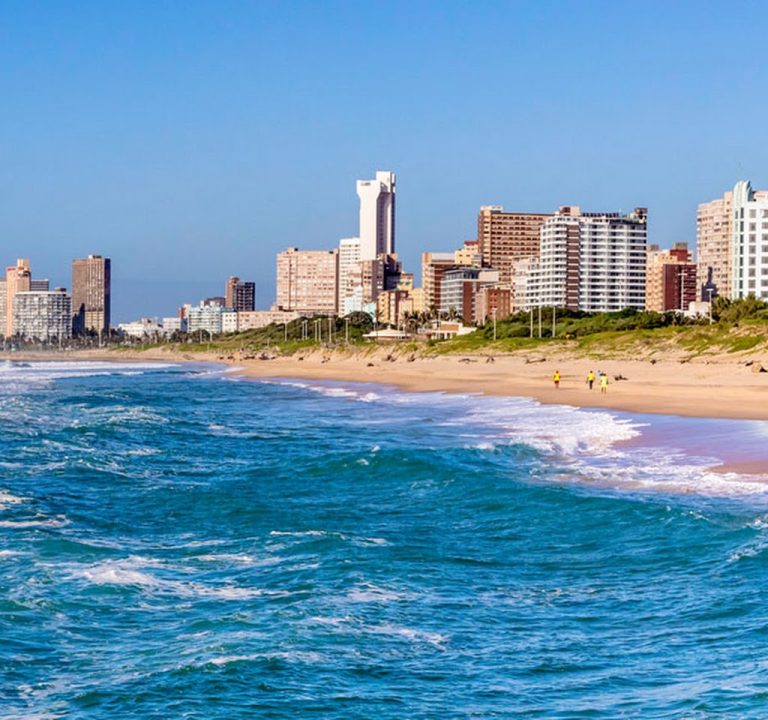
Durban’s coastline offers ample opportunities: long stretches of sandy beaches, promenades ideal for morning jogs or sunset strolls, and a harbour area that blends industrial character with cultural and culinary hubs. Cultural and natural highlights include botanical gardens, contemporary and historical museums, and scenic drives into surrounding countryside and hill country. For families and groups, there are kid‑friendly venues, interactive exhibitions, and markets that showcase regional crafts and cuisine. In parallel, Durban’s dining scene invites exploration of varied cuisines and casual eateries that celebrate coastal produce.
A few general pointers on where to base your stay
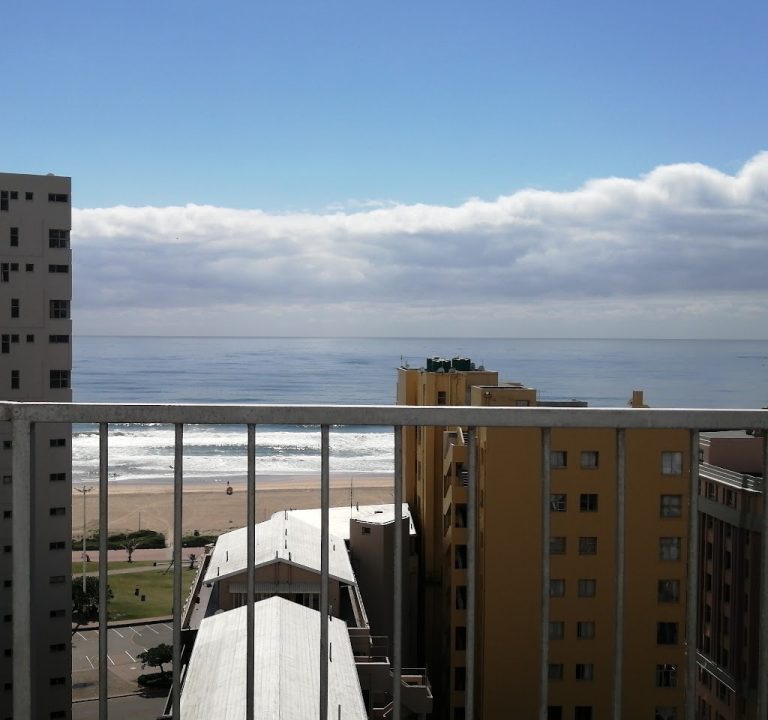
- Beachfront zones are convenient for everyday strolls, easy beach access, and simple city sightseeing.
- Inner suburbs with leafy streets and stylish guesthouses offer quieter nights and quick access to cultural walks and markets.
- Northern coastal areas provide resort‑style surroundings with proximity to new dining and nightlife scenes.
If you’re planning a Durban break, consider pairing a comfortable base with day trips to nearby natural spaces, cultural sites, and vibrant neighbourhoods. While exact restaurant offerings and prices will vary, the city consistently delivers a welcoming mix of coastal charm, diverse cuisines, and accessible transport options, allowing you to tailor your stay to both relaxation and discovery. For further ideas and practical planning, you may wish to consult Durban’s official visitor resources to align your bookings with current openings and routes.