Durban: accommodation and stays along KwaZulu-Natal’s coast
Durban offers a mix of sandy beaches, vibrant markets and subtropical temperament, making it a popular base for exploring KwaZulu-Natal. When planning a stay, consider neighbourhoods that best match your interests and pace—whether you want city sights, family-friendly beaches, or easy access to nature reserves and inland escapes. Durban’s accommodation sector ranges from boutique guest houses and lodges to modern hotels and self-catering apartments, each with a different flavour of hospitality and convenience.
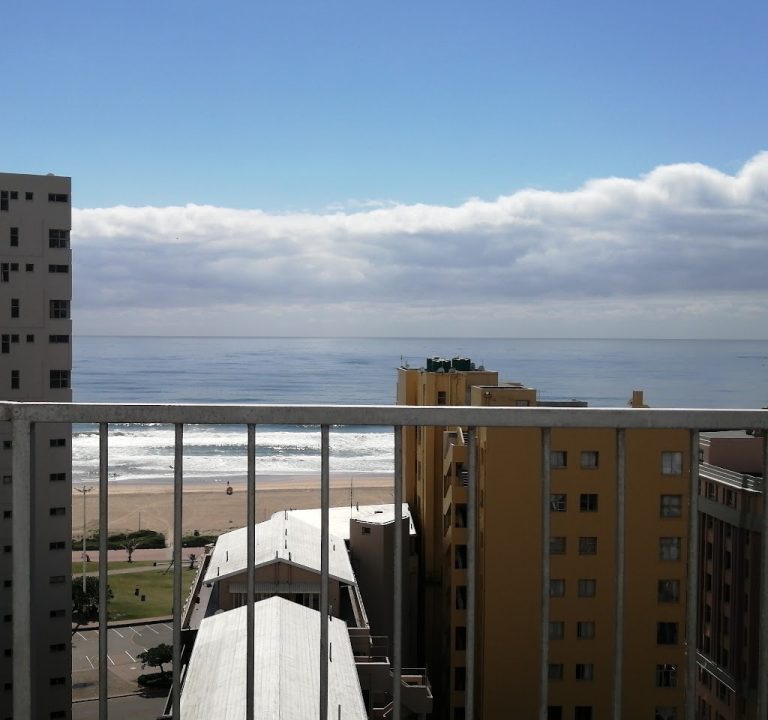
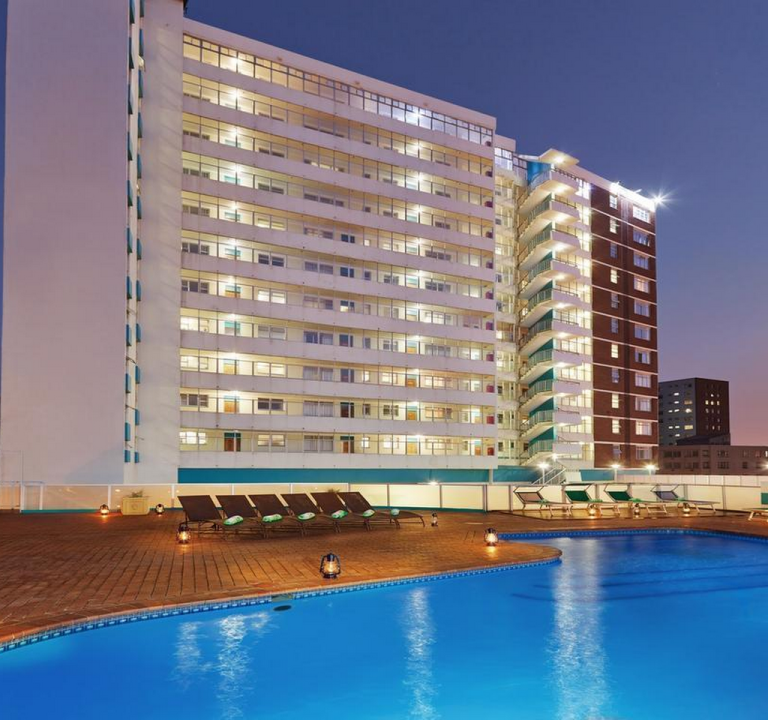
Areas to consider include the central beachfront and Golden Mile, which tend to be lively with a promenade and easy access to beaches, cafés and casual dining. The Berea offers leafy streets, older homes and a sense of neighbourhood charm, while Morningside and Umbilo provide convenient links to the airport, major highways and business districts. For families and longer stays, you might favour quieter residential pockets near the coast or within easy reach of the uShaka Marine World precinct and the harbour. If you’re seeking a more cultural experience, consider exploring the Glenwood area or the distinct flavours of Grey Street and surrounding quarters, where guest houses and smaller independents often sit close to eateries and markets.
When choosing a place to stay, look for clear descriptions of what’s included in your rate—comfortable beds, reliable hot water, and a dependable Wi‑Fi connection are basics, but many Durban properties also emphasise air conditioning for humid summers, secure parking, and access to guest lounges or outdoor spaces. For longer visits, a kitchenette or self-catering facilities can make a big difference, while a guest house that offers breakfast or convenient dining options nearby can simplify early starts for day trips along the coast or into the Valley of a Thousand Hills.
Transport around Durban is straightforward but planning ahead helps. If you’re staying near the coast, you’ll likely rely on a mix of taxi services, rideshares and local bus routes. For greater flexibility, look for accommodation with on-site parking or suggestions for reputable local transport operators. If you’re exploring beyond the city limits, it’s worth checking whether your chosen base has easy access to major arteries towards the inland regions or the iconic South Coast beaches. A map view of nearby attractions, supermarkets and medical facilities can be a helpful addition to any booking note.
Durban’s climate is subtropical, with hot summers and mild winters. The best time to visit for beach days is generally from late spring through autumn, though summer rain can arrive with sudden squalls. Winter visits are milder, cooler in the evenings, and often more comfortable for sightseeing, with fewer crowds at major attractions. If you’re planning outdoor activities such as coastal trails or wildlife reserves, consider shoulder seasons for pleasant weather and more comfortable hiking conditions. Always check local weather forecasts and plan accordingly, especially if venturing onto coastal paths or nature reserves.
Durban’s attractions span coastal recreation, wildlife encounters and cultural experiences. On the coast, long sandy stretches and a lively promenade invite strolls at any time of day, while inland you’ll find lush parks and viewpoints overlooking the city. The harbour and waterfront precinct offer family-friendly activities, museums and seasonal events; nearby wetlands and nature reserves provide daytime walks and birdwatching opportunities. For dining, Durban is renowned for its mix of Indian flair, African influences and coastal casual fare. Expect diverse menus that balance spicy favourites with seafood, curries, grills and lighter bites suitable for all ages. Many restaurants are walkable from popular guest houses and boutique hotels, with some venues offering outdoor seating to enjoy the coastal air.
Practical tips for a smooth stay include booking direct when possible to understand room configurations and cancellation terms. Read guest reviews carefully for notes on quiet hours, air conditioning, and accessibility. If you’re travelling with luggage or with family, a guest house with friendly staff who can advise on local transport and day trips can be particularly helpful. When packing, include light layers for evenings and a compact jacket for sea breezes along the coast, plus sunscreen and hats for daytime beach visits. A digital map of the area and saved links to reputable local tourism resources will help you plan day trips to nearby attractions and experiences.
Heritage and hospitality in Durban often blend seamlessly with a traveller-friendly approach. For those seeking a low-key base that supports a relaxed pace and easy access to both the sea and the hills, a well-reviewed guest house such as Mthonjeni guest house Durban (category: Guest house) may offer a comfortable, homely stay with personalised tips from hosts and convenient locations near public transport routes. While details and availability vary, many guest houses emphasise attentive service, comfortable bedrooms, secure parking where offered, and a friendly atmosphere that makes it easier to settle into Durban’s rhythm.
To explore further, browse official tourism pages and trusted travel guides for Durban and KwaZulu-Natal. Look for destination descriptions that highlight beaches, nature reserves, markets and a calendar of events, so you can weave your stay with memorable experiences without overloading your schedule. Planning a balanced itinerary—coastline days, light hiking, cultural tastings, and time to unwind—will help you make the most of a Durban visit, even on a short stay.
- Popular coastal areas for stays: near the promenade, beachfront hotels, and leafy residential belts with easy access to transport
- What to look for when booking: clear inclusions, reliable heating/cooling, parking, and proximity to amenities
- Typical amenities: ensuite rooms, Wi‑Fi, breakfast options, and access to common areas
- Transport tips: mix of rideshares, taxis, and local routes; consider on-site parking if you hire a car
- Best time to visit: spring to autumn for beach days; winter for comfortable sightseeing
For more inspiration and practical planning, visit Durban’s official visitor information pages and reputable travel guides to tailor your stay to your pace and interests.