Durban: Accommodation, attractions and planning your stay in KwaZulu-Natal
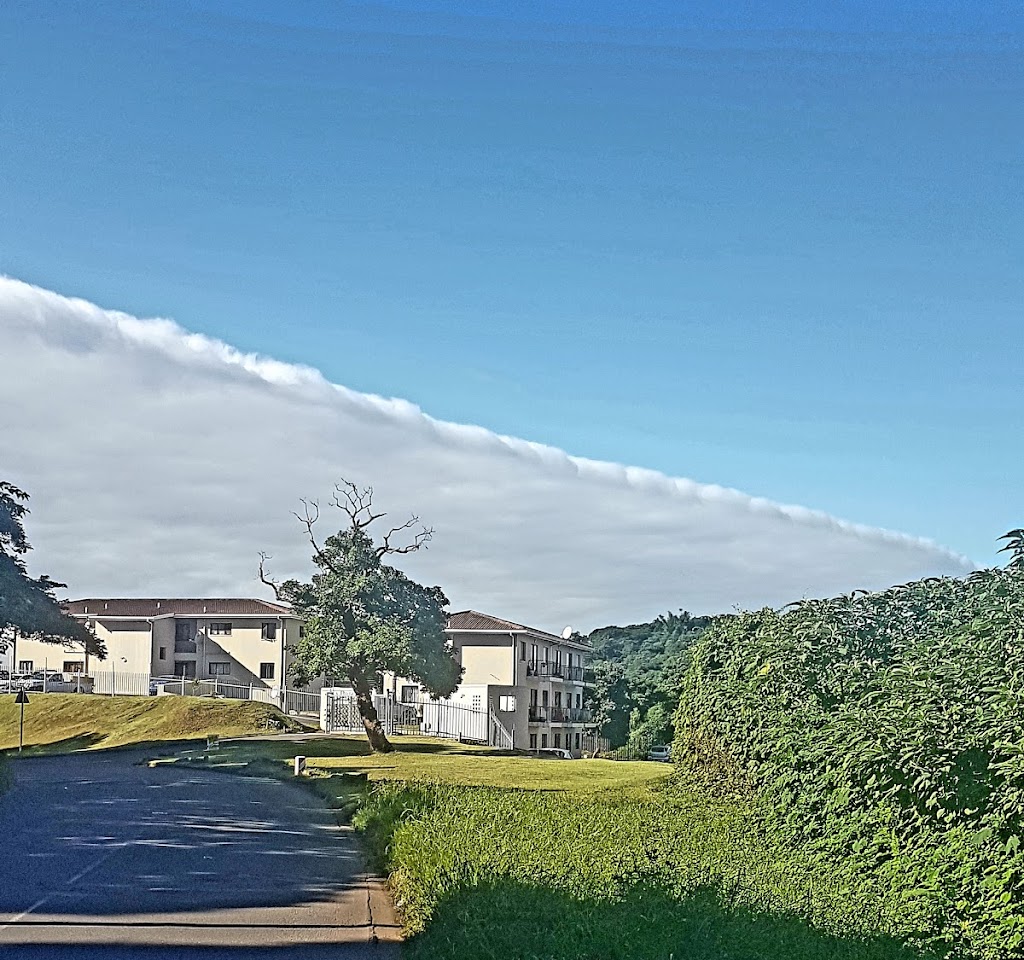
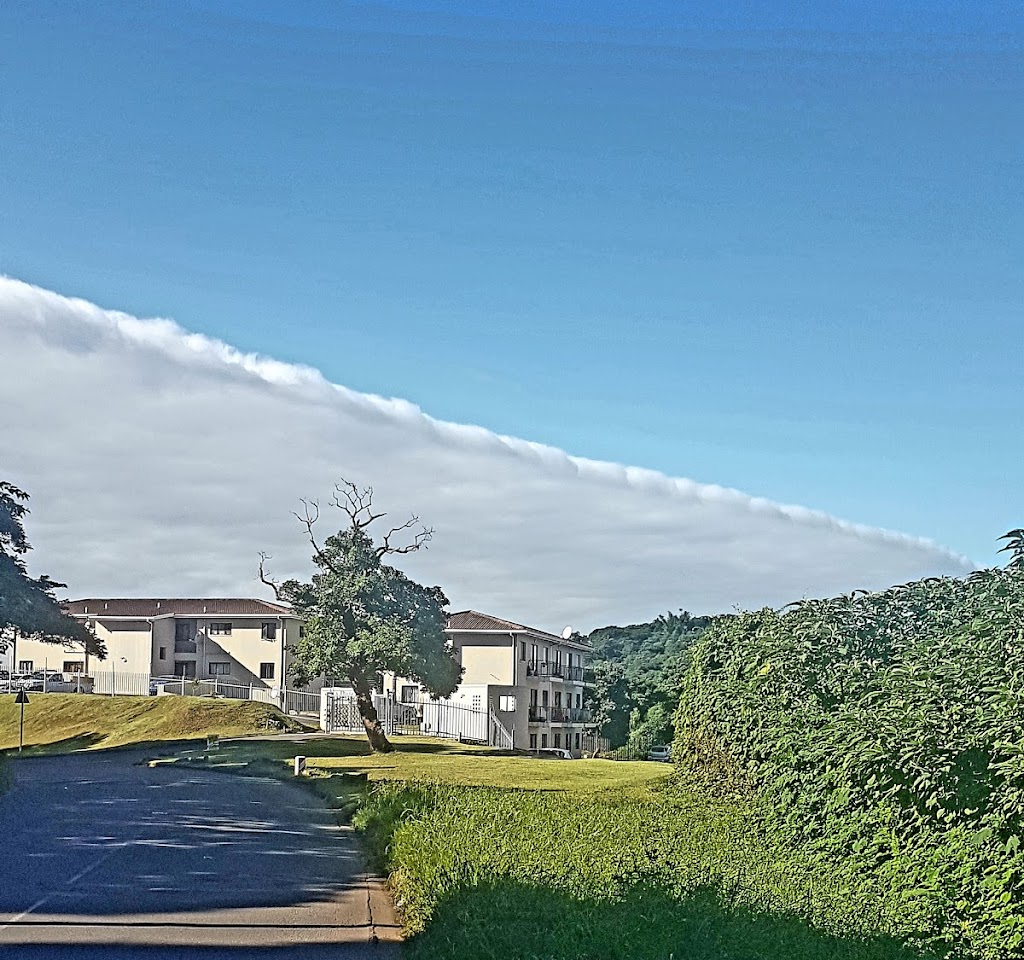
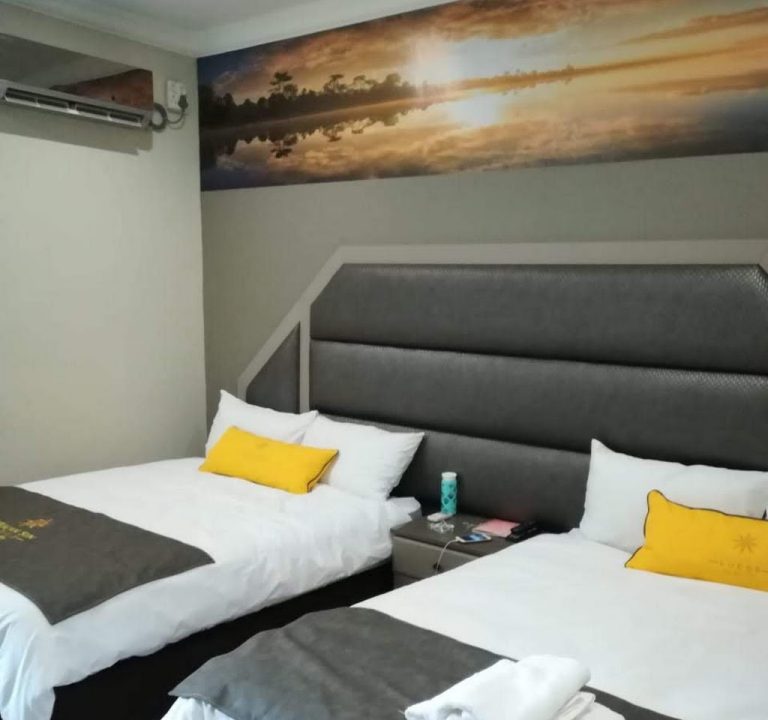
Durban is a dynamic coastal city that blends warm Indian Ocean waters, subtropical vegetation and a rich mix of cultures. For visitors, the key to a relaxed stay is choosing a neighbourhood that matches your plans—whether you want easy beach access, a calm residential vibe, or convenient proximity to nightlife and dining. Serviced apartments such as Seabreeze Suite offer a practical option for longer visits, combining the comforts of a private home with the convenience of hotel-style services. You can learn more about Seabreeze Suite at its official site: https://seabreezesuite.hotelonia.com/.
Durban’s most trip-friendly areas
- The Golden Mile and beachfront precincts: ideal for morning walks along the promenade, sunset drinks and proximity to beaches, cafés and casual eateries.
- Umhlanga and the newer coastal pockets: well suited to travellers seeking a polished, modern stay with easy access to shopping and a range of dining options, often with excellent sea views.
- Morningside and Berea: popular with families and couples who prefer central city access while staying close to parks, clinics and a variety of restaurants.
- Grey Street, the city centre and the nearby business districts: convenient for travellers who value rail or taxi connections and a broader urban experience, with cultural sites nearby.
What to look for when booking
- Location relative to your plans: if you aim to spend long days at the beach or exploring the Durban Botanic Garden and parks, a beachfront or nearby neighbourhood is sensible. If you’ll be working or visiting museums, a central apartment with good transport links makes sense.
- Size and layout: consider whether you need separate living and sleeping spaces, a kitchen for snacks or meals, and in-unit laundry facilities for longer trips.
- Air conditioning and ventilation: Durban’s subtropical climate can be warm, so a well‑ventilated or air‑conditioned space will help you stay comfortable.
- Security and access: look for on-site reception, secure entrances, and well-lit surroundings. Self-contained serviced apartments can be particularly convenient for those who prefer privacy with occasional housekeeping.
- Transport options: verify availability of on-site parking if you plan to hire a car, and assess the ease of access to Gautrain or other rail connections for day trips along the coast.
Typical amenities you might expect
- Fully equipped kitchen or kitchenette, with coffee/tea provisions and basic utensils.
- Comfortable living area, with suitable seating and entertainment options.
- En-suite or well-appointed bathrooms, with sufficient hot water and storage.
- Fresh linens and cleaning services on a regular schedule, with options for additional housekeeping.
- Reliable internet/Wi‑Fi, essential for travellers who need to work or stream.
- Secure entry and in-room safes or lockers for valuables.
- On-site or nearby dining options, whether it’s a casual café, a waterfront restaurant or a family-friendly bistro.
Planning your stay: practical tips
- Best time to visit: Durban enjoys warm winters and hot summers. The shoulder seasons (late spring and early autumn) can offer milder temperatures and fewer crowds, while the summer months are ideal for beach activities and outdoor markets.
- Food and markets: explore local markets for fresh produce, spices and ready-to-eat treats. Durban’s diverse culinary scene leans into coastal seafood, Indian-influenced dishes and fusion flavours—great for daytime lunches and evening rotations.
- Getting around: South Africa’s taxi and rideshare networks are the most convenient way to explore the city if you’re not driving. If you stay near the coast, enjoy walking along the promenade to view art installations and street performances. For day trips to the countryside or along the coast, consider hiring a car for the flexibility it provides.
- Safety and health: stay aware of your belongings in busy areas and follow local guidance on safe routes, especially after dark. Hydration is important in the subtropical heat, and sun protection is essential.
- Practical packing tips: pack light, breathable clothing for daytime heat, a light layer for cooler evenings, comfortable walking shoes, a swimsuit, a hat and sunscreen.
Dining, attractions and experiences (high-level overview)
- Beach and promenade experiences: long walks, kite-flying on certain beaches, and casual cafés along the waterfront are common features for visitors.
- Botanical and cultural sites: Durban offers green spaces and interesting cultural venues worth setting aside time to explore, as many areas blend architectural heritage with modern exhibitions.
- Food scenes: you’ll find a mix of casual taverns, seafood spots and contemporary eateries along the coast and in central districts. Plan a couple of restaurant outings to sample a spectrum of flavours without feeling rushed.
- Family and activity options: interests vary from relaxed garden escapes to more active pursuits, such as markets, workshops or gallery visits—afternoons can be filled with a balanced mix of rest and discovery.
Practical planning checklist
- Confirm the booking’s inclusions (cleaning frequency, linen changes, parking, and access to facilities such as a gym or pool).
- Check cancellation policy and any seasonal variations in rates.
- Review the proximity to your planned activities and the availability of late checkout if you have an evening departure.
- Bookmark a few reliable local websites for updated events, markets and seasonal happenings.
Durban is a city of sun, sea and neighbourhoods with distinct personalities. Whether you choose a stylish serviced apartment such as Seabreeze Suite or a classic hotel near the coast, with thoughtful planning you can enjoy a comfortable base from which to explore beaches, markets, parks and a vibrant dining scene.