Durban: Where Coastal Comfort Meets Heritage and Warm Hospitality
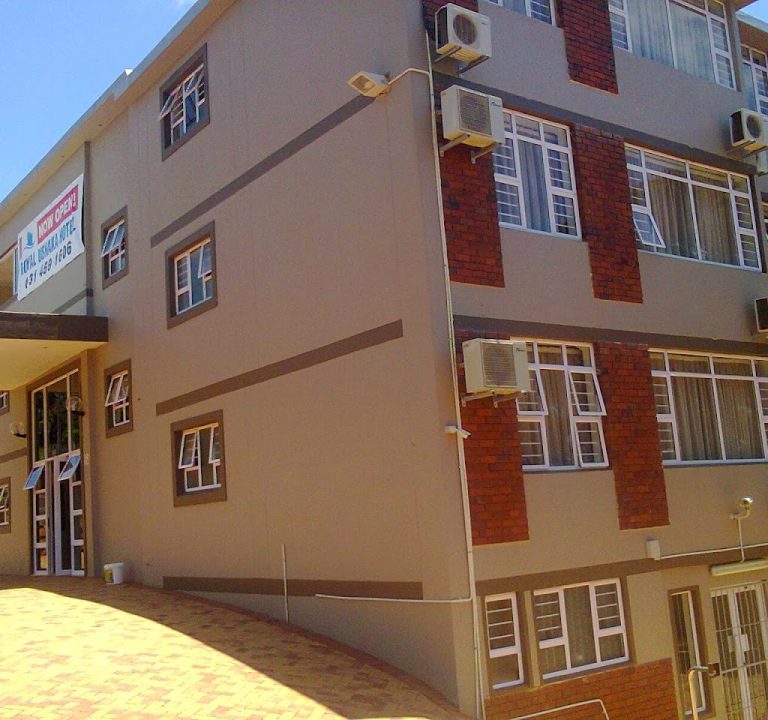
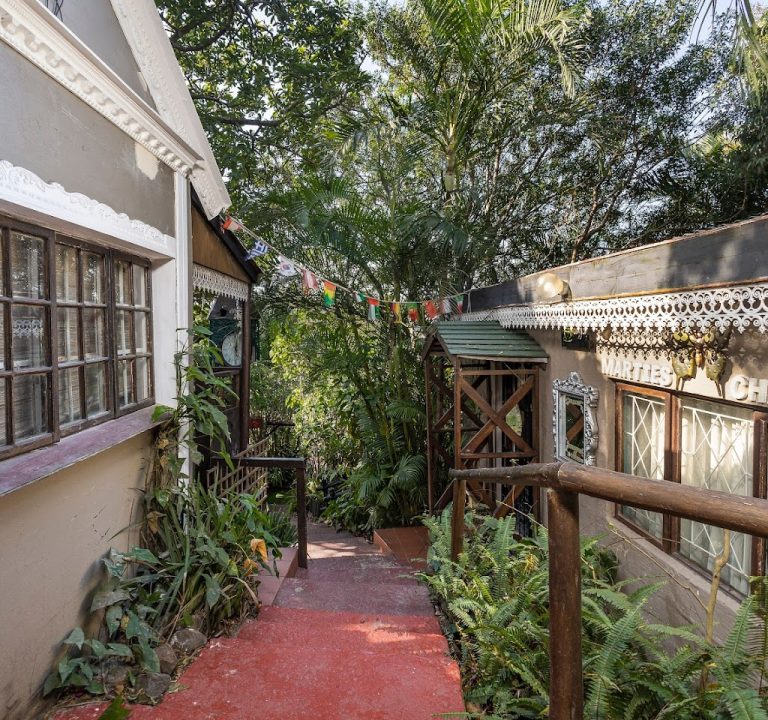
Durban, KwaZulu-Natal, offers a rich blend of subtropical climate, golden beaches, and a lively cultural scene. When planning a stay, it helps to think in terms of neighbourhoods, transport access and the pace you want from your trip. From lush botanical settings to bustling coastal streets and savannah-adjacent escapes, Durban provides a spectrum of accommodation styles—from intimate guest houses to contemporary hotels and self-catering retreats. An example guest house in the city, such as I. P. A. Guest House, illustrates how a well-sited, characterful property can serve as a comfortable home base during a Durban visit.
Where to stay matters as much as what you do. The Golden Mile and the beachfront precincts tend to attract travellers who want easy sea access, morning walks along the promenade and options for casual dining after a day of exploring. For a quieter atmosphere while still being within reach of the city’s main sights, consider inland suburbs with leafy streets, family-run guest houses and boutique inns. If you’re after a taste of Durban’s multicultural character, central and nearby inner-city areas provide convenient access to markets, heritage architecture and a broad spectrum of eateries.
When choosing accommodation, look for a few practical essentials. First, consider transport links: a place with a straightforward hop-off from the main thoroughfares or a short ride to the freeway makes day trips and airport transfers easier. Second, check on-site amenities that matter to you—air conditioning or ceiling fans for Durban’s warm months, reliable hot water, secure parking, and Wi‑Fi for work or planning. Rooms with en-suite bathrooms, adequate storage, and clear, helpful information about local transport options are signs of thoughtful hosting. If you’re travelling with family or a group, a guest house or apartment-style option with separate sleeping areas and a well-equipped kitchenette can offer convenience and value.
Typical stays in Durban can range from compact rooms to spacious suites or self-contained units. Expect a friendly, informal approach from most guest houses and boutique hotels, with hosts who are keen to share practical tips about the city—where to find the best sunrises, which markets are worth a morning visit, and how to navigate the public transport network. Breakfast options vary: some establishments offer a full cooked breakfast, others provide continental or self-serve arrangements. A self-catering unit gives you flexibility for early starts or late dinners after long days on the coast or out on a day trip.
Durban’s climate is temperate most of the year, but it is worth planning around the two main seasonal considerations. The summer months can be hot and humid with afternoon thunderstorms, while winter remains milder with cooler evenings. The best time to visit for beach activities is typically the spring and autumn shoulder seasons when the city is lively but not overly crowded, and sea breezes keep temperatures comfortable. If you are keen on outdoor safaris or nature experiences, plan a few longer day trips to surrounding coastal reserves or inland parks—these excursions are popular with visitors seeking a blend of city culture and natural scenery.
Practical planning tips to keep in mind:
- Book in advance during peak travel periods, especially for properties close to the beachfront or near popular markets and cultural sites.
- Check cancellation policies and whether the rate includes breakfast or access to leisure facilities such as a pool or garden area.
- Ask hosts or reception about parking arrangements, especially if you are hiring a car. Durban’s traffic can be lively in peak hours, and some neighbourhoods have limited parking options.
- Ask for recommendations on safe, well-lit walking routes for evening strolls and for local eateries that offer good value and variety.
- Plan your day around local transport options if you prefer not to hire a car. Major routes are well serviced by taxis, rideshares, and bus services, with some routes extending to outlying towns and reserves.
What to see and do is wonderfully varied. You’ll find expansive beaches and sea pools to enjoy, plus promenades ideal for morning jogs or family cycles. Cultural experiences can range from vibrant markets and street-food scenes to museums and galleries housed in architecturally interesting buildings. Dining options reflect Durban’s diverse communities, with a spectrum from casual eateries serving comforting dishes to places that offer more contemporary or seafood-focused menus. After a day of exploring, many visitors enjoy relaxing on a hotel balcony or on a guest house patio, listening to the sounds of the city while planning the next day’s adventures.
In summary, Durban offers accommodation that suits a range of itineraries, from restorative beach stays to engaging cultural city breaks. When choosing your base, consider proximity to the coast, transport access, and the level of local interaction you want. A well-situated guest house can provide a warm welcome, practical guidance, and a comfortable retreat to return to after busy days of sightseeing, dining, and discovering Durban’s unique blend of Indian, African, and colonial influences. For inspiration, explore the city’s official tourism resources and look for properties that emphasise a welcoming host culture and thoughtful guest amenities.