Durban: Accommodation, attractions and planning a hotel stay by the coast
Durban, situated on KwaZulu-Natal’s coastline, offers a warm, tropical atmosphere with a mix of stylish hotels, guesthouses and self-catering apartments that suit a range of budgets and travel styles. When planning a stay, it’s helpful to think about the areas that best align with what you want to do, whether you are after beachside mornings, city culture, or easy access to the wider KwaZulu-Natal attractions.
Popular neighbourhoods for visitors include the bustling beachfront precinct and the Golden Mile, which place you close to the sea, fresh air and a lively promenade. Nearby, the central business district and historic suburbs provide a different flavour, with heritage architecture, leafy streets and excellent dining options. For a seaside village vibe with breezy promenades, consider the northern coastal zones where many hotels and guesthouses offer sea views and direct access to wide, sandy beaches. If you prefer a quieter, residential setting with easy links to the town centre, other suburbs provide a balance of comfort, character and convenience. When choosing accommodation, think about how you will move around, whether you plan to walk, use public transport, or hire a car to explore beyond the city limits.
Typical amenities you can expect to help you plan a comfortable stay include reliable wi‑fi, air conditioning, on-site parking, and access to breakfast or light meals. Many properties in Durban offer en-suite bathrooms, well-equipped kitchens or kitchenettes, and outdoor spaces such as balconies or courtyards. Guesthouses and boutique hotels may provide personalised service, with recommendations for local eateries and experiences, while larger hotels could offer facilities such as pools, fitness rooms and business lounges. When booking, check whether the property provides transfers to the airport or rail links, and whether there are convenient shuttle options to popular attractions or beaches.
Transport in Durban is versatile. The city has a coastal road network that makes self-driving straightforward for those who prefer to explore at their own pace. Public buses and ride-hailing services are readily available in most tourist areas, and for routes along the coast, easy access to the beachfront hotels is common. If you plan day trips to the hinterland or nature reserves, a car is often the most convenient choice. For travellers who want to avoid traffic, consider staying within a short walk of the beach or a core hub where taxis and rideshares are readily available.
The best time to visit Durban is influenced by weather and crowd levels. The city enjoys warm, subtropical conditions most of the year, with hotter, wetter summers and drier winters. Winter (June to August) brings cooler evenings and pleasant daytime temperatures, ideal for exploring the city’s gardens and cultural sites. Summer (December to February) is typically lively and sunny, perfect for long beach days and outdoor dining, though it can be more humid and occasionally rainy. Shoulder seasons can offer a balance of pleasant weather and fewer crowds, making it easier to secure a good rate on accommodation.
When planning your stay, consider your priorities. If beaches and outdoor activity are top of the list, choose a property along the Golden Mile or in a northern coastal area where you can step out to sea breezes and broad promenades. For culinary exploration and nightlife, staying closer to the city centre or the Morningside and Glenwood districts can provide excellent access to a variety of restaurants, cafés and bars, with easy return journeys to your base after a day of sightseeing.
Guest experiences in Durban often revolve around light, coastal cuisine, markets and informal eateries focusing on seafood and regional fare. While specific restaurant names and prices vary, most hotels can point you toward places that offer fresh seafood, traditional favourites, and contemporary menus that emphasise local herbs and flavours. Alongside dining, you’ll find a range of cultural experiences and nature activities that suit different interests—from garden strolls in the city’s historic green spaces to viewpoints overlooking the coastline and inland valleys.
To help you compare options, keep a simple checklist in mind when you search for accommodation:
- Location relative to the beach, city centre, and planned activities
- Type of stay (hotel, boutique guesthouse, apartment or lodge) and size of the property
- Key amenities (wi‑fi, parking, breakfast, 24-hour reception, pool or gym)
- Transport links (proximity to transport hubs or offers of shuttle services)
- Cancellation policies and flexible rates in case plans change
- Guest reviews and safety features
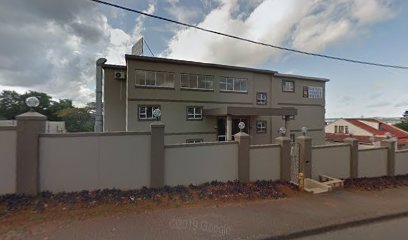
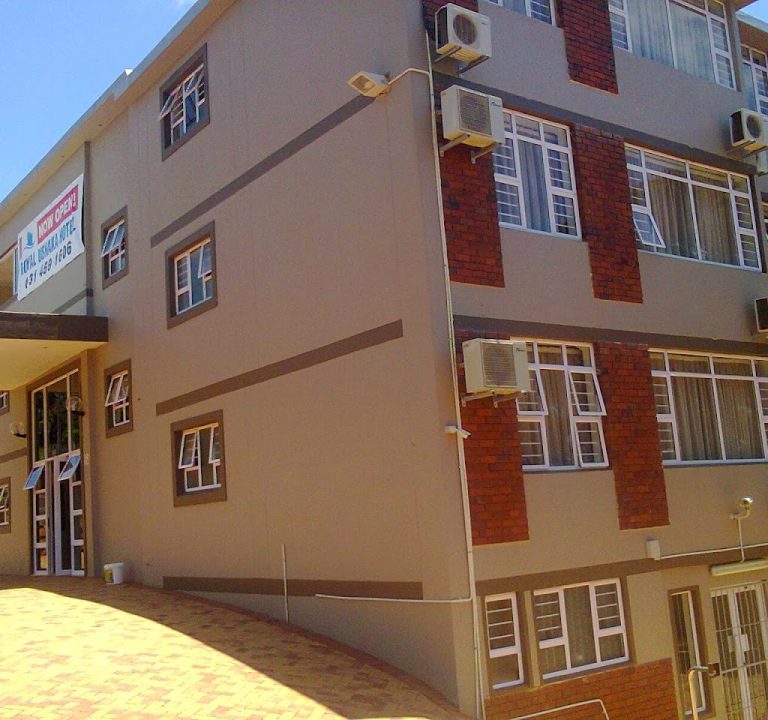
For visitors seeking a specific example of Durban hospitality, a range of established properties in the area, including city hotels and seaside options, offer an easy base for exploring both the coast and inland attractions. If you are staying in or near Durban and wish to explore further, consider a short excursion to nearby natural reserves, coastal viewpoints and heritage sites that reflect the region’s diverse culture and remarkable landscape.
Practical tips for a smooth stay: book with a little flexibility to adjust dates if you find a better rate; confirm check-in times and parking options; pack sun protection, comfortable footwear and layers for cooler evenings; and arrange a plan for how you will travel to and from the airport or rail links. A well-planned itinerary that balances time on the Blue Flag beaches with cultural and culinary excursions can help you enjoy Durban’s warmth, hospitality and scenic surroundings to the full. For more information and ideas, consult local tourism resources and the websites of the accommodation providers.