Durban: Where to Stay and What to Do for a Relaxed, Ocean-Front Experience
Durban, in KwaZulu-Natal, offers a warm, subtropical welcome, a mix of bustling coastal precincts and leafy residential areas, and a coastline that stretches along the Golden Mile. When planning a stay, travellers often begin by choosing a neighbourhood that suits their interests—be it beachside relaxation, easy access to city sights, or a quieter base for day trips. Durban’s guest houses, boutique hotels, and family-friendly lodges span a range of budgets and vibes, from coastal guest houses with sea views to comfortable city-centre boltholes within walking distance of cafés and shops.
Areas to consider include the beachfront precincts along the promenade, where many properties offer easy access to the beach, promenade walks, and the buzz of activity in the evenings. The central beach area is convenient for mornings on the sand, while the Point Waterfront and adjacent neighbourhoods are popular for longer stays that mix dining, shopping, and scenic harbour views. For a more residential mood, Durban North or Glenwood provide a calmer base with leafy streets, markets, and eateries a short drive from city sights. Morningside and Umbilo offer convenient access to universities, business districts, and a broad variety of dining options, often with comfortable guest houses and guest-friendly B&Bs nearby.
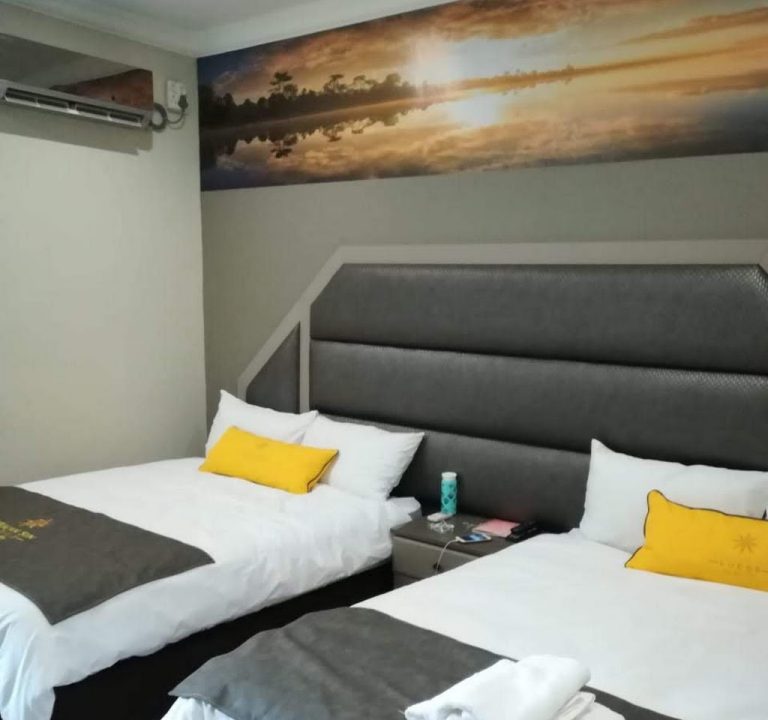
When booking, it helps to consider the type of stay you want. Do you prefer a room with a balcony and sea breeze, or a snug guest house tucked behind a quiet street? Check for features that improve comfort on longer visits, such as reliable air conditioning, a well-equipped kitchen or kitchenette, complimentary tea and coffee, off-street parking, and a helpful front desk or guest-lounge area. Durban's climate means warm summers and mild winters, but coastal humidity can be high; a property with good ventilation or ceiling fans can be a welcome amenity. If you are travelling with family or a group, look for family rooms, additional bedding options, and communal spaces that make stayovers easy.
Typical amenities and practical planning tips include:
- Quiet, well-lit rooms and secure entry for late arrivals
- Accessible public transport links or reliable car parking
- On-site or nearby dining options, with information on nearby cafés and markets
- Flexible check-in and check-out times where possible
- Clear cancellation policies and a straightforward booking process
- Nearby beach access, promenades, and safe walking routes at night
- Proximity to attractions, such as urban parks, museums, and cultural centres
Transport in Durban is well served by a mix of private taxis, ride-hailing apps, and some public options. If you plan day trips—whether to the Valley of a Thousand Hills, the hinterland, or coastal villages—having access to a car or arranging day tours can be convenient. For shorter hops, Uber and other ride-hailing services are commonly used, while some guest houses offer shuttle options or partners for guided excursions. When booking, verify parking arrangements or note the nearest reliable parking facility if you will be self-driving.
The best time to visit Durban tends to be in the warmer months from late spring through early autumn, when beach life and outdoor activities are at their peak. The city also hosts cultural events and festivals at various times of the year, adding a layer of seasonal appeal. Even in the shoulder seasons, Durban delivers a mix of sunshine, blue skies, and the opportunity to explore on foot or by gentle taxi ride without the peak-season crowds.
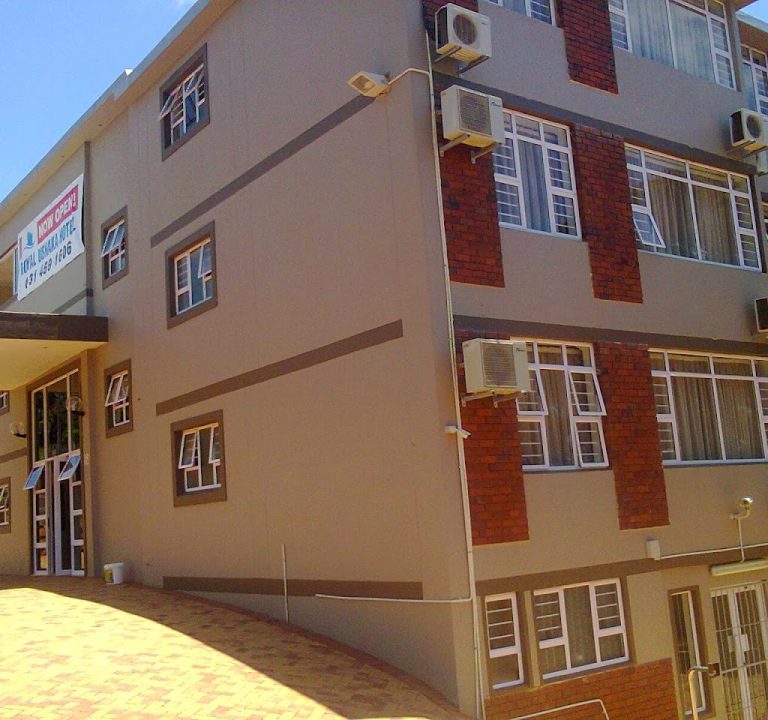
Accommodation in Durban often emphasises comfort and hospitality. Many guest houses—such as Sea View Guest House and similar properties—offer a personalised stay with a focus on local hospitality. Expect features like generous breakfast options, guest lounges, sometimes a plunge pool or garden space, and hosts who can offer local tips on dining and day trips. Booking a property with a variety of room configurations (from double rooms to family units) helps accommodate different travel plans, whether you are visiting as a couple, a family, or a small group.
When it comes to meals, Durban’s restaurant scene is diverse and dynamic, reflecting the city’s cultural mix. While you may want to sample a few well-known spots along the beachfront and in the city centre, there are plenty of options nearby guest houses and hotels that specialise in hearty breakfasts, light lunches, or dinner menus featuring shared plates and fresh, regional ingredients. If you prefer to dine out, ask hosts or front desk staff for recommendations that suit your tastes and budget, and explore local markets for fresh produce and artisan treats.
Practical planning tips for a smooth stay include confirming the exact location of your accommodation relative to the places you intend to visit, budgeting for transport within the city, and allowing a little extra time for traffic around peak hours. Durban’s coastline can be particularly busy on sunny weekends and public holidays, so booking a place with flexible arrival times and clear directions is helpful. Finally, pack a light layer for coastal evenings, sun protection for daytime beach visits, and comfortable footwear for strolls along promenades and through busy markets.