Durban: Accommodation, attractions and practical tips for a memorable stay
Durban, nestled on the eastern coast of KwaZulu-Natal, offers a vibrant mix of beachside charm, subtropical rainforest on the inland hills, and a cosmopolitan city centre with a rich cultural heritage. When planning a stay, consider the different neighbourhoods and what they best offer—from family-friendly beachfront precincts to leafy suburbs close to urban conveniences. Durban’s warm climate and subtropical scenery make it a year-round destination, though the best time to visit for beach days tends to be the dry season and late spring when outdoor activities are most comfortable.
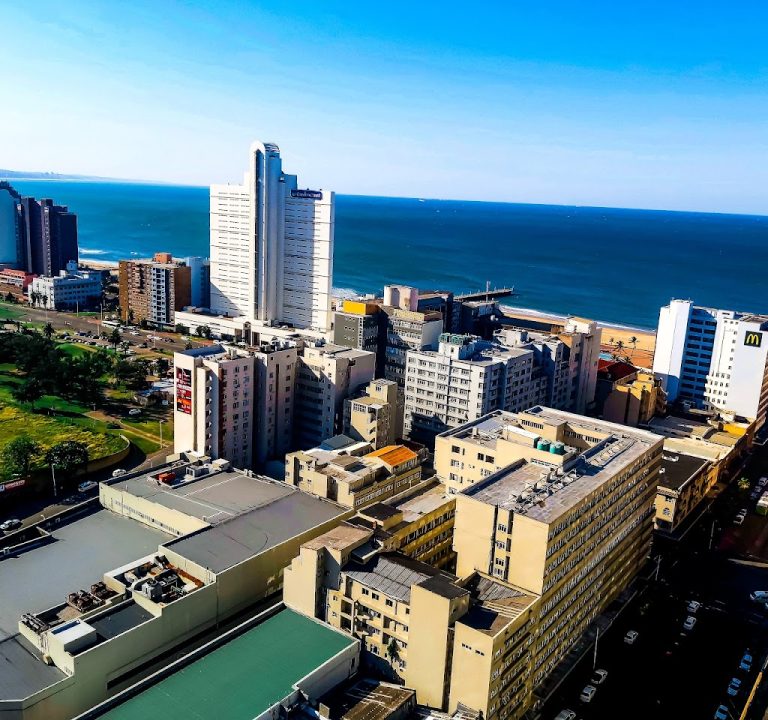
Accommodation in Durban ranges from boutique guesthouses and stylish city hotels to self-catering apartments and spacious family-friendly lodges. The choice often comes down to how you want to balance proximity to the beach, access to transport, and the kind of experience you seek. For a beach-focused stay, aim for locations along the Golden Mile or the beachfront stretches where morning jogs along the promenade and sunset walks are easy. If you prefer quieter, more residential settings with a touch of tranquillity, look to inland suburbs that preserve a calmer pace without sacrificing easy access to Durban’s main attractions.
When booking, start by identifying your priorities. Are you travelling with children, or are you seeking a romantic break? Do you value on-site dining, a pool, or easy access to public transport? Common and helpful amenities in Durban’s properties include free Wi-Fi, air conditioning (important in the warm months), ample parking, and flexible check-in/check-out options. For longer stays, look for kitchen facilities or serviced apartments, which make it easier to self-cater and feel at home. If you plan to explore extensively, consider properties with travel desk or concierge services that can help arrange tours, transfers, or restaurant reservations.
Transport is straightforward but depends on location. The city has a network of buses, taxi services, and ride-hailing options, with the beachfront areas being particularly walkable for short hops. If you are renting a car, you’ll have the flexibility to explore the coast, the inland valleys, and the nearby Lion’s River and forested areas. For those preferring rail, the central business district offers connections to outlying areas, while some properties can arrange reliable transfer services to major hubs and attractions. When planning day trips, it’s worth noting that Durban’s traffic can be congested during peak hours, so plan itineraries with a little buffer time between activities.
Top areas to consider for different kinds of stays:
- Beachfront and Golden Mile: ideal for sun, sea, and easy access to the promenade, cafés, and casual dining along the coast.
- UShaka Village and Grey Street corridor: close to cultural highlights and a lively dining scene, with a mix of boutique hotels and guesthouses.
- Morningside and Berea: convenient for access to main roads, shops, and a calmer residential feel while staying close to central Durban.
- Durban North and the northern coast: a more tranquil, family-friendly option with leafy streets and long beaches nearby.
Typical stays in Durban can range from stylish boutique rooms with personalised touches to larger family suites with separate living spaces. Look for properties that offer good privacy, reliable housekeeping schedules, and sustainable practices such as recycling, water-saving measures, and energy-efficient appliances. Some guests appreciate properties that provide flexible breakfast options or on-site dining that complements a busy itinerary. If you’ll be out exploring until late, check for well-lit walkways and secure access after dark in the building’s design.
Attractions are easy to weave into a Durban stay. The coastline invites strolls along the promenade, guarded beaches, and opportunities to sample coastal eateries with sea views. Inland, you can explore nature reserves and lush parks where rainforests meet rolling hills. Durban’s cultural institutions offer insights into Zulu history, music, and contemporary art, while markets and street food scenes provide a taste of local life. When planning days out, balance active explorations with downtime at your accommodation and on the nearby shores to fully enjoy the subtropical climate.
Restaurants in Durban span casual seaside spots to refined dining rooms, often showcasing a blend of local flavours, Indian influences, and seafood specialties. Rather than focusing on specific names, look for venues that offer fresh, seasonal dishes and terraces with breezy views. A well-rounded itinerary often includes a mix of beachside cafes for light lunches, vibrant casual spots for dinner, and markets or food stalls where you can sample a range of tastes. Vegetarian and halal options are generally well represented in the city’s diverse culinary scene, and many venues are happy to tailor dishes to dietary preferences.
Practical tips to make the most of a Durban stay:
- Pack sunscreen and lightweight clothing for day trips; evenings can be cooler in coastal breezes.
- Book accommodation with secure parking or reliable transfer options if you plan to drive to more remote areas.
- Check the beach’s safety flags and lifeguard presence, especially if you are with children.
- Reserve popular dining spots or tours in advance during peak travel seasons.
- Consider a flexible itinerary that allows for weather changes, including rain showers typical of subtropical climates.
Durban’s hospitality scene and warm hospitality make it an inviting base for discovering KwaZulu-Natal. By selecting the right neighbourhood, weighing amenities against your needs, and planning transport and day trips thoughtfully, you can craft a stay that balances relaxation, culture, and coastal adventures. For further inspiration, browse reputable accommodation providers and official tourist guides linked from hotel and guesthouse websites, which can help you tailor your booking to match your travel dates and interests.