Durban: Where to stay and what to explore in KwaZulu-Natal
Durban offers a vibrant mix of coast, culture and cuisine, making it a compelling base for visitors exploring KwaZulu-Natal. When planning a stay, consider a mix of coastal convenience and inner-city access to get the most from your time. Durban’s accommodation ranges from leafy boutique guesthouses and mid-range hotels to luxury properties along the Golden Mile and in the upmarket suburbs. Staying near the waterfront or in central Durban can save travel time on busy days of sightseeing and beach walks.
Areas to consider
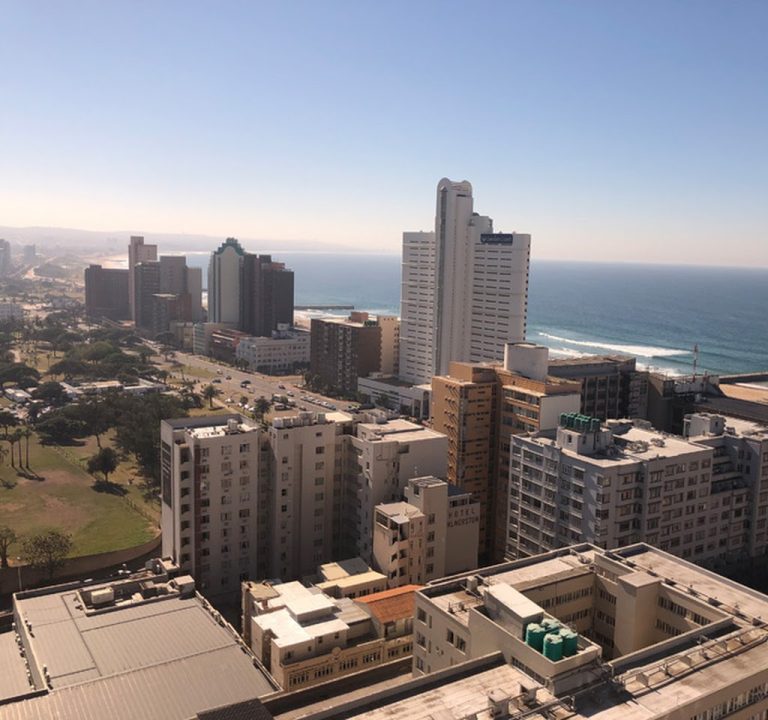
- The Golden Mile and central beachfront: ideal for travellers who want immediate access to the sea, long promenades and restaurant clusters. It’s a lively area with options ranging from comfort-focused hotels to stylish boutique stays.
- Umhlanga and the North Coast: renowned for pristine beaches, modern beachfront developments and a calmer pace. It’s well suited to families and travellers seeking a resort-like atmosphere with easy access to shops and dining.
- Morningside and Berea: a convenient hub for city sightseeing, with a variety of guesthouses and hotels housed in character properties. Good for visitors who want walkable access to cafes and markets.
- Grey Street and Durban CBD: for travellers who prioritise cultural experiences, markets and proximity to museums, theatres and historic sites. These areas can offer good-value stays with easy taxi or rideshare connections.
What to look for when booking
- Location relative to your planned activities: beach days, city sights or day trips to neighbouring towns.
- Room configuration and layout: check for quiet rooms, en-suite bathrooms, and facilities such as air conditioning and reliable Wi-Fi.
- Amenities that matter to you: on-site dining, pools, laundry services, parking, and security features.
- Transport access: proximity to taxi stands, bus routes or rail links, and whether the property offers shuttle services or easy access to car hire.
- Flexibility and policy: cancellation terms, minimum stay requirements, and whether breakfast is included or available for a reasonable add-on.
- Authenticity and character: boutique properties and guesthouses can offer a more personalised experience with generous local touches.
Typical amenities you may encounter
- Air-conditioned rooms, daily housekeeping, and secure parking.
- On-site or in-house dining with a focus on fresh, local produce and seafood dishes.
- Complimentary or paid breakfast options, often with continental and hot choices.
- Pools, sun decks, and easy access to the seaside promenade in beachfront locations.
- Conference spaces or business facilities, useful for longer stays or work trips.
- Concierge services to assist with local recommendations, tours and arrangements.
Planning practicalities
- Best time to visit: Durban enjoys a subtropical climate, with warm summers and mild winters. The dry season (roughly May to August) can be pleasant for outdoor activities, while the summer months offer beach weather and opportunities for water-based activities, though showers can occur.
- Getting around: Durban has a growing urban transport network and ride-hailing options. For trips along the coast or into the countryside, consider rental cars or guided tours. If you plan day trips to nearby towns, check whether your accommodation offers convenient checkout times or luggage storage.
- Safety and smart packing: carry a compact bag for day trips, keep valuables secure, and be mindful of personal safety when walking at night in less busy areas. Plan a sensible itinerary and share it with someone you trust.
- Dining and experiences: Durban’s culinary scene blends Indian, African and Zulu influences. Look for eateries near your stay that offer seafood, curry and locally inspired dishes. For a relaxed day, seek out venues with ocean views or coffee culture close to the coast.
Attractions and experiences (general guidance)
- Coastal walks and beaches: the long, sandy stretches along the Golden Mile are ideal for strolling, cycling or picnicking with sea views.
- Cultural and historic sites: the city hosts museums, galleries and markets where you can learn about KwaZulu-Natal’s diverse heritage.
- Marine and nature experiences: coastal attractions and nearby nature reserves offer opportunities for birdwatching, hiking and wildlife viewing.
- Family-friendly outings: water parks and entertainment precincts often cater to children with safe, engaging environments.
- Local dining and markets: a range of eateries and markets provide a chance to sample regional flavours and fresh produce.
Practical tip: booking and staying connected
- Book with reputable providers and read recent guest reviews to gauge consistency in service and cleanliness.
- Check cancellation policies and whether the rate includes breakfast or access to facilities such as gyms, pools or business spaces.
- Look for properties with flexible dining options or nearby foodie hubs to maximise your evenings without long detours after a day out.
Sample itinerary ideas (general)
- Day 1: settle in by the coast, stroll along the promenade and enjoy a sunset meal with sea views.
- Day 2: explore cultural highlights and a local market, followed by a relaxed dinner in an area with a mix of casual and refined options.
- Day 3: take a day trip to a nearby coastal town or nature reserve, returning in time for a coastal sunset.
Durban is a destination that rewards varied plans and a flexible approach to accommodation. By choosing a well-situated base, you can balance beach time, city sights and memorable meals, while enjoying easy access to transport and the warmth of KwaZulu-Natal’s hospitality. For inspiration and options, you can explore well-reviewed listings and official tourism guides to tailor your stay to your interests and budget.