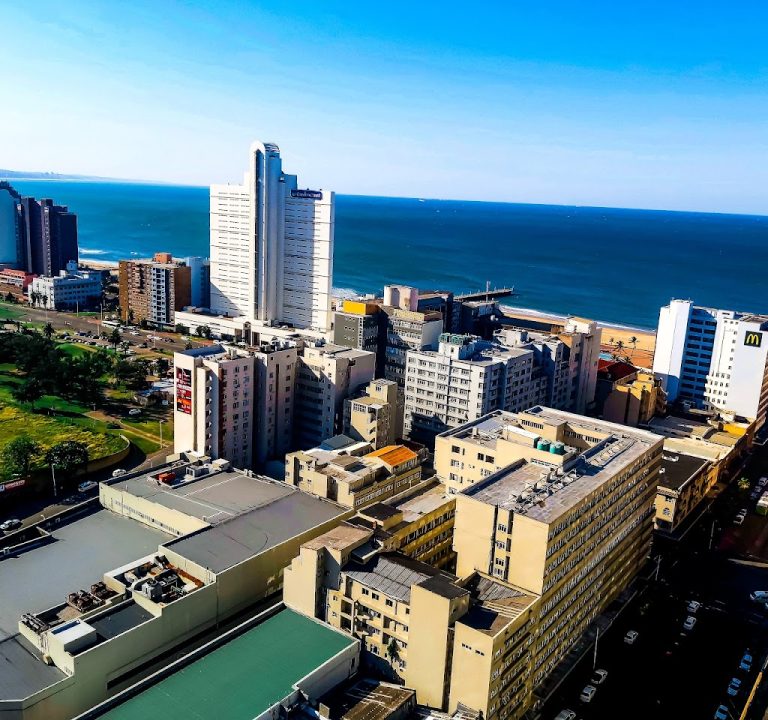
accommodation and experiences in Durban, KwaZulu-Natal: a guide to staying and exploring
Durban, on the east coast of South Africa, combines warm subtropical beaches with a rich blend of cultures and landscapes. When planning a stay, many visitors prioritise convenient access to the city’s waterfront, restaurants, and markets, while others seek quiet inland pockets with leafy streets and easy transport links. Durban accommodates a broad range of travel styles—from stylish lodges and boutique B&Bs to family-friendly hotels and self-catering apartments—so there are options to suit different budgets and preferences.
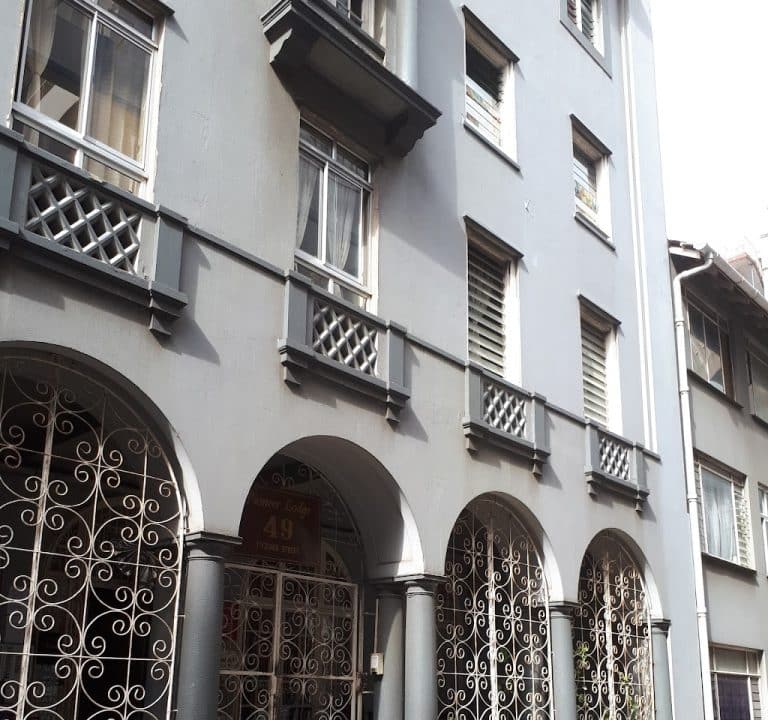
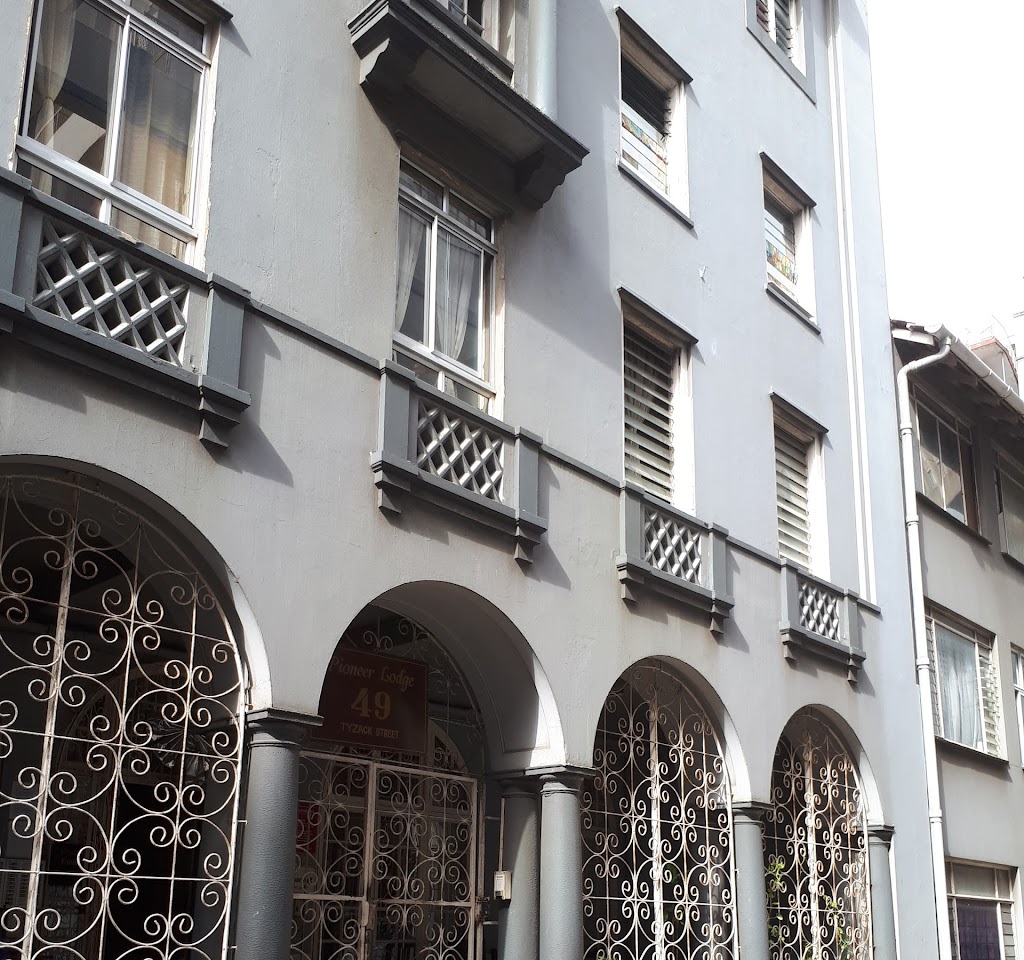
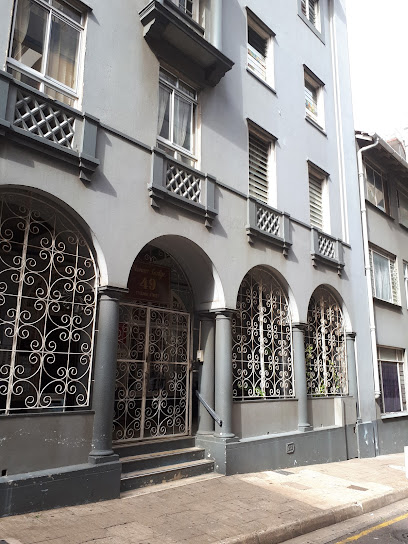
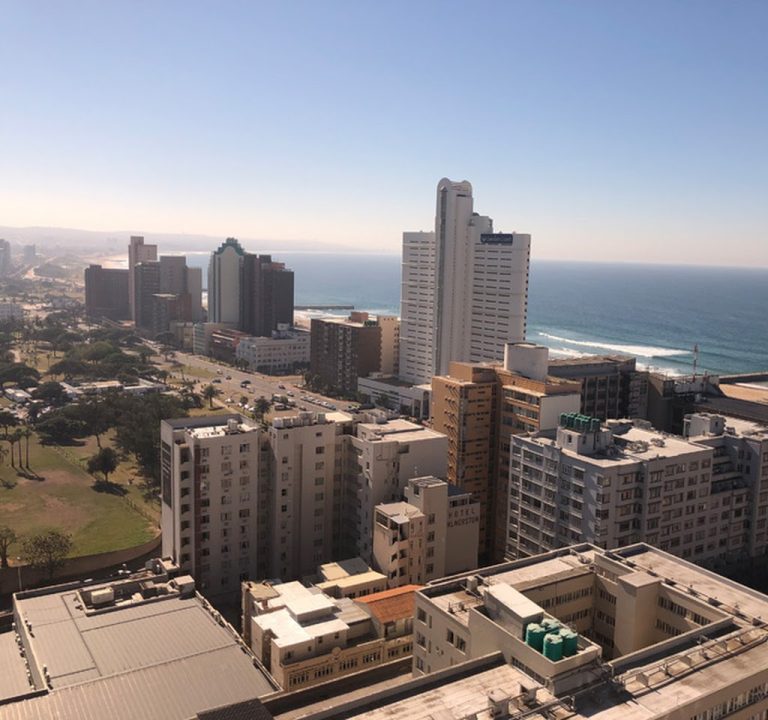
Begin by choosing a base that fits your plan. The beachfront precinct is ideal if you want to be within easy reach of the sea, promenades, and a lively atmosphere. For a more relaxed, leafy experience while still being close to the city’s main sights, consider the hillier suburbs or the inland districts with green spaces and convenient access to wheels or ride-sharing. If your focus is access to nature and wildlife, you’ll find several lodges and guesthouses within short drives of woodlands, reserves and coastal viewpoints. Pioneer Lodge, for example, represents a lodge-style option that blends comfortable, easy-going rooms with a location that can serve as a calm retreat after busy days of exploring.
Typical accommodation features to look for include reliable air conditioning or fans for Durban’s warm seasons, strong wi‑fi throughout the property, and clear access to secure parking. Proximity to public transport or major roads can save time, particularly if you plan day trips beyond the city. A compact but well equipped kitchen or kitchenette is welcome for travellers who prefer self-catering. Guesthouses and lodges often offer communal lounges, outdoor spaces, and sometimes breakfast as part of the rate, which can be a convenient start to a day of sightseeing.
When selecting an area, consider transport options. The integrated approach of Durban means you can usually reach beaches, markets, and historic sites with a short ride. If you are staying near the coast, you’ll have the advantage of walking access to coastal paths and the promenade, with opportunities to dip into cafés and casual eateries along the way. Booking a place with parking or easy access to reputable shuttle or taxi services can be a practical choice, especially for evening outings or trips to inland attractions such as markets, museums, or nature reserves.
Durban’s climate varies with the seasons, but the city is generally warm most of the year. The best time to visit is often considered the shoulder seasons, when the weather is pleasant and the city is less crowded than in peak school holiday periods. If you enjoy outdoor activities like beach days, surfing, or coastal walks, plan around moderate heat and occasional rain in summer. Winter (June to August) remains mild by many standards, though it can be cooler in the evenings. For programme planning, check the opening times and seasonal events for museums, cultural centres, and green spaces, which can provide engaging ways to fill a day.
Durban offers a diverse culinary scene without needing to travel far. You can expect fresh seafood, vibrant Indian-influenced dishes, and a mix of casual eateries and polished dining rooms. For a balanced itinerary, pair a day of sightseeing with stops at atmospheric neighbourhoods where street food, markets, and small cafés give you a flavour of daily life in the city. Since menus and hours vary, it’s sensible to consult the latest local listings or your accommodation host’s recommendations, which often include reliable, locally loved spots.
To plan your days efficiently, consider a mix of winsome experiences: a morning stroll along the beachfront, a visit to a cultural or historical site, and a relaxed lunch or coffee stop in a neighbourhood hub. Durban’s markets are a highlight for guests who enjoy artisanal crafts and fresh produce, offering a sensory glimpse into the region’s diverse communities. If you prefer guided insights, you can join small-group tours or hire a local driver for a customised day that takes in both well-known sights and hidden gems.
Practical planning tips:
- Book accommodation with clear cancellation policies and flexible check-in arrangements to adapt to weather, transport delays, or changed plans.
- Look for properties that provide clear directions, easy contact with the host or manager, and local tips tailored to your interests—be it beaches, markets, or nature.
- Confirm transport options from the property to the main sights, including whether there are safe walking routes at night or reliable taxi/rideshare access after dark.
- Review nearby facilities such as laundries, grocery shops, and eateries so you can plan daily routines without long detours.
Durban’s tourism ecosystem is well supported by official sources that highlight attractions, transport options, and visitor information. For general planning, you might explore the city’s official tourism pages and regional guides, which provide practical tips, event calendars, and maps to help you map an efficient stay. Links to trusted local information can help you create a balanced itinerary that blends relaxation with discovery, ensuring that your time in KwaZulu-Natal is memorable for all the right reasons.