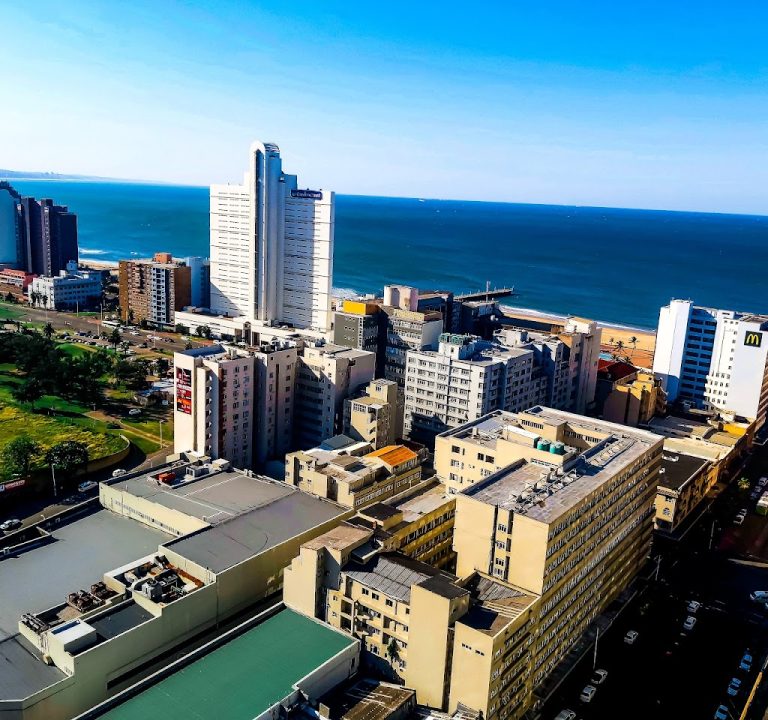
Durban: Where to stay and what to do in KwaZulu-Natal’s seaside city
Durban, perched on the east coast of KwaZulu-Natal, offers a mix of tropical climate, sandy beaches, and South African charm. When planning a stay, it helps to think about the rhythm of the city: sea breezes, bustling markets, and a sense of discovery that unfolds along the Golden Mile, the harbour, and the tree-lined streets of a growing urban centre. Durban’s accommodation ranges from modern hotels and guesthouses to family-friendly apartments, making it possible to tailor a stay to most budgets and trip aims. Whether you want a sea-facing break, a convenient base for business, or a culture-rich retreat, there are options to suit.
Durban is usually most comfortable from October to April, when days are warm and the ocean is inviting. The peak summer months bring busier beaches and more events, while winter months are milder and less crowded. Shoulder seasons can be ideal for people-watching, lower rates, and still-good beach weather. If you’re visiting during school holidays or major events, booking well in advance is advisable. For travellers driving, many hotels and guesthouses offer on-site parking, with some noting secure spaces and easy access to major routes leading in and out of the city.
Areas to consider for your stay include:
- Durban Beachfront and the Golden Mile, close to the sea, promenade walks, and a number of family-friendly attractions.
- Umhlanga and the north coast, known for luxury stays, broader dining options, and convenient airport access via King Shaka International (a short drive away).
- Durban Central and Grey Street, a convenient hub for exploring historic architecture, markets, and cultural venues, with a range of mid-range to boutique stays.
- Durban North and nearby suburbs, which can offer quieter neighbourhood vibes and more residential-style accommodation with kitchen facilities.
When booking, look for practical amenities that support a comfortable stay. These include reliable Wi-Fi, air conditioning or ceiling fans (the humidity can be high in summer), a good breakfast option or kitchenette for flexibility, on-site parking, and a safe, well-lit location. If you’re travelling with family, check that the property offers family rooms or suites, child-friendly spaces, and easy access to beaches or parks. For business travellers, proximity to the city centre, meeting facilities, and work-friendly lounges can be decisive factors.
Transport around Durban is straightforward but varies by area. Many visitors rely on taxis or rideshare services for short trips, while some hotels provide shuttle services to popular sights or the airport. If you plan to explore beyond the beachfront, renting a car offers the most flexibility. For city sightseeing, a coastal walk along the promenade is a pleasant way to start, with occasional stops at cafés and markets. If you enjoy public transport, you may find local bus services and rail links useful, but plan extra time for peak hours and security considerations in busy areas.
Key attractions and experiences fall into a few broad categories. For nature and water lovers, the coast delivers sandy beaches, warm tidal pools, and safe swimming bays. Inland trips can include nature reserves and scenic drives through valleys with indigenous flora. The city’s maritime heritage is evident around the harbour area, where you can observe ships and harbour life, often complemented by waterfront dining and casual cafés. Cultural highlights include galleries and markets that celebrate local crafts, food, and music. For families, a day out near the harbour or at a large waterside attraction can provide a mix of entertainment and relaxation without exhausting routines.
Durban’s dining scene is diverse and reflects its multicultural heritage. Coastal diners often specialise in seafood and light meals, while neighbourhood spots offer a mix of Indian-influenced curries and traditional South African flavours. South African hospitality generally shines through at mid-range guesthouses and family-run hotels, where staff can offer practical tips, such as quieter beaches by day and lively, pedestrian-friendly streets in the evenings. When planning meals, you might want to balance dining out with casual breakfasts at your accommodation that can fuel energetic days of exploration.
Practical planning tips:
- Book accommodation with easy access to the sights you want to explore, and check transport options for your intended days.
- Consider staying near the beachfront for easy beach access and picturesque walks, or choose a central base for proximity to markets, museums, and dining streets.
- Pack sun protection, a light jacket for evenings, and a reusable water bottle for all-day outings.
- Budget guidance: plan for flexible dining and activity costs, and keep an eye on peak-season price variations.
- Safety: stay on well-lit, populated streets after dark, keep valuables secure, and use reputable transport services when not walking.
For further inspiration, you can explore Durban’s official tourism pages and city guides for current events, markets, and seasonal activities. A well-chosen base in a well-positioned neighbourhood will help you balance restful seaside moments with the vibrancy of urban life, making a Durban stay both relaxing and memorable. If you’d like, you can browse a selection of accommodation options and plan a customised itinerary that blends beaches, gastronomy, and cultural experiences into a cohesive visit.