Durban: accommodation, attractions and practical planning for a memorable stay
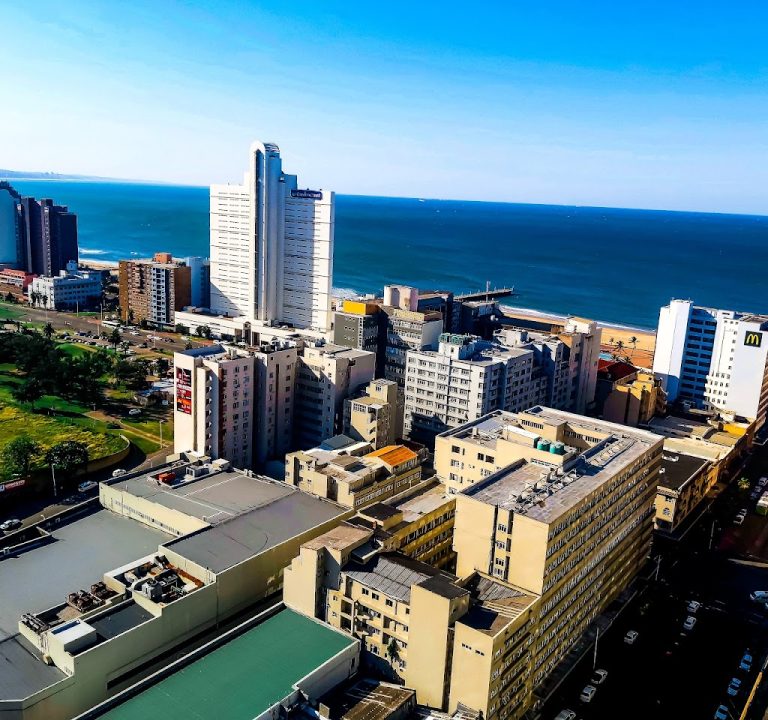
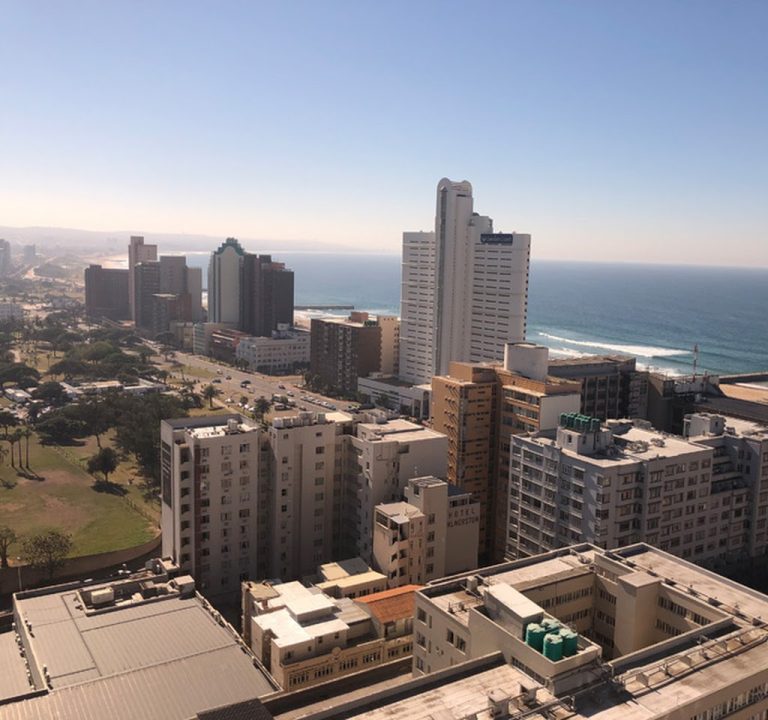
Durban, a coastal city on KwaZulu-Natal’s subtropical coast, offers a diverse mix of beaches, culture, and modern conveniences. When planning a stay, consider the different neighbourhoods that suit your pace and interests. The Golden Mile and beachfront precincts are ideal for easy access to sun, sea and lively promenade strolls. Berea and Morningside offer a blend of leafy residential streets with boutique cafés and restaurants, while Umhlanga and the Riverside precinct provide a more resort-like atmosphere with beaches within easy reach of upscale guesthouses and hotels. For a quieter escape, Durban North and the suburbs inland provide access to nature reserves, golf courses and family-friendly hospitality options.
Choosing the right type of accommodation matters. Durban ranges from mid‑range guesthouses and characterful B&Bs to modern hotels and serviced apartments. If you plan a longer stay or travelling with family, serviced apartments or hotel‑apartment combos can offer the comforts of a home with the conveniences of on‑site facilities. For a shorter break focused on the beach, a hotel or guesthouse near the Golden Mile can minimise transfers and maximise time by the sea. It’s worth checking what is included in the rate—some properties offer breakfast, access to pools or gym facilities, and guest lounges with shared kitchens or coffee stations.
Typical amenities worth looking for include secure parking, 24‑hour reception, reliable wi‑fi, air conditioning, and on‑site dining or easy access to nearby restaurants. In Durban’s humid subtropical climate, a refreshing pool, shaded outdoor spaces, and in‑room fans or air conditioning can greatly improve comfort. Access to lifts or stairs, luggage storage, and clear accessibility information are also useful considerations, especially for travellers with mobility needs. A property’s cleaning practices, quietness in the rooms, and soundproofing between rooms can influence the quality of a coastal stay.
Transport around Durban is straightforward but varies by area. If you plan to stay near the beachfront, you’ll benefit from proximity to the promenade and taxi or rideshare options for dinners out. For guests who prefer self‑drive flexibility, ensure there is parking available on‑site or nearby. The city’s public transport has improved in recent years, with bus networks and rail services linking major districts, but you may still find a car advantageous for exploring inland attractions and day trips along the coast. A short drive away, intercity routes connect to the inland game reserves, Valley of a Thousand Hills, or nestled coastal towns, so mapping a loose itinerary can help you balance beach time with cultural experiences.
Best time to visit Durban depends on weather and crowd levels. The city enjoys warm, humid summers with occasional tropical showers and cooler, dry winters. The peak beach season aligns with school holidays, when streets and venues are busier and restaurant terraces buzz with activity. For calmer conditions and lower prices, consider shoulder seasons when the sea is still pleasant and the city’s green spaces and neighbourhoods feel more relaxed. If you plan to travel for events or festivals, keep in mind Durban’s calendar when accommodation availability and rates can fluctuate accordingly.
When planning activities, Durban’s attractions are broad and approachable. Beach strolls along the Golden Mile, time spent at family‑friendly water parks, and exploring the harbourfront offer easy, low‑effort pleasures. Cultural experiences can include markets, art galleries and heritage sites that showcase the region’s diverse influences. For a day out beyond the city centre, consider a coastal drive or a guided tour that highlights coastal scenery, lush reserves and panoramic viewpoints. Dining in Durban ranges from casual beachfront cafés to stylish eateries with modern takes on regional flavours. You’ll find menus that reflect seafood specialties, vibrant produce, and cosmopolitan influences in areas with lively dining cultures. For those planning a longer stay, combining a few restaurant outings with relaxed mornings on the beach or in green spaces can make for a well‑rounded itinerary.
Practical tips for a smooth stay:
- Book with flexibility where possible, particularly if your plans may shift with weather or events.
- Check for family‑friendly rooms, especially if travelling with children or larger groups.
- Ask about parking arrangements and accessibility features before arrival.
- Look for accommodation with good wi‑fi and breakfast options to simplify mornings.
- Plan a transit strategy in advance, including rideshare apps or local taxi services, to save time.
An example of a comfortable base in Durban is a contemporary hotel with serviced apartment options, ideally located near the beachfront or central precincts, offering easy access to both leisure amenities and transport links. Should you prefer a stay with a distinct atmosphere, a boutique guesthouse in a leafy suburb can provide personalised service, quiet rooms and local knowledge to tailor day trips and restaurant choices. Durban’s hospitality scene rewards thoughtful planning: balancing comfort, convenience and a sense of place will help you enjoy city sights, beach life and culinary discovery in equal measure. For further inspiration and practical planning, you can explore Durban’s official tourism pages and trusted travel guides online.