Durban: accommodation and planning your stay in KwaZulu-Natal
Durban offers a vibrant mix of coastal charm and urban vitality, making it a versatile base for travellers exploring KwaZulu-Natal. When selecting a place to stay, consider whether you want easy beach access, proximity to the city’s historic sights, or a quieter neighbourhood with dining and cinema options nearby. Durban’s lodging scene ranges from welcoming bed-and-breakfasts and intimate guesthouses to larger hotels and modern apartment stays, many of which cater to a range of budgets and preferences.
Areas to consider, depending on your interests and pace, include the beachfront precincts for easy sea access and promenade strolls; the central business district for nightlife, markets, and cultural attractions; and leafy residential suburbs that offer a calmer ambience with traditional guesthouses and boutique stays. If you are visiting with family or a larger group, self-catering apartments and family-friendly lodges can provide flexible spaces and practical conveniences. When booking, look for properties that clearly describe sound insulation, parking arrangements, and access to local transport routes, as these details can significantly affect comfort and convenience during your stay.
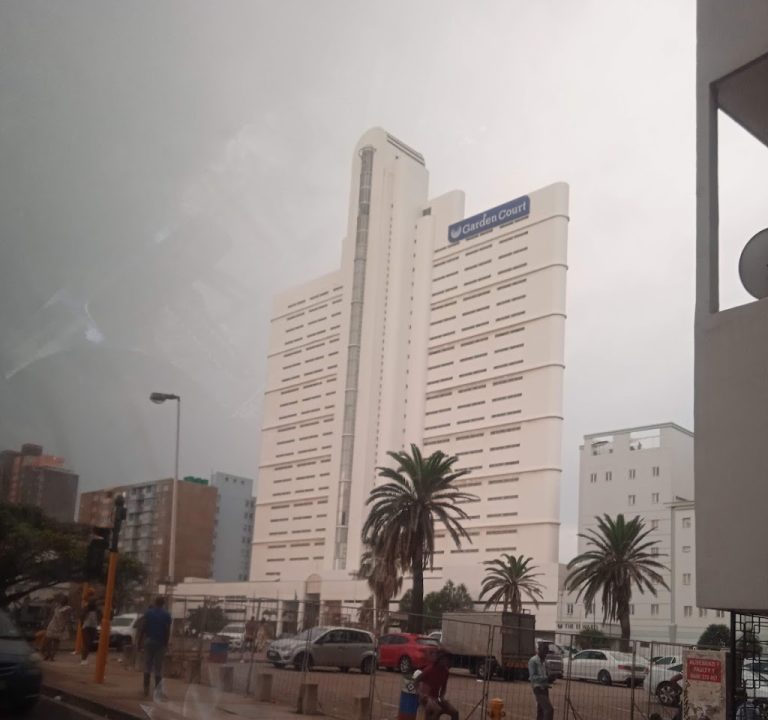
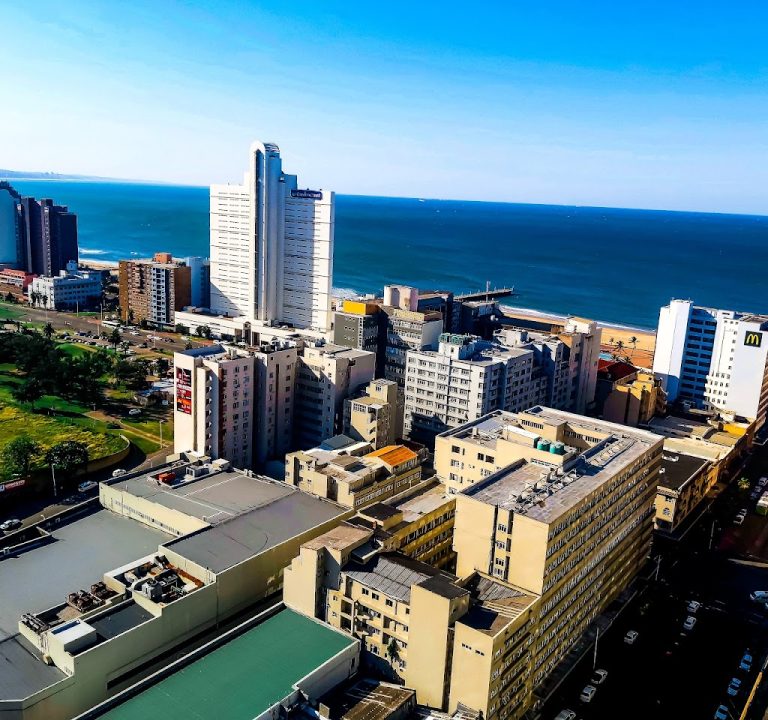
- Beachfront and Golden Mile area — ideal for those who want immediate access to sandy shores, scenic walks, and beachfront eateries.
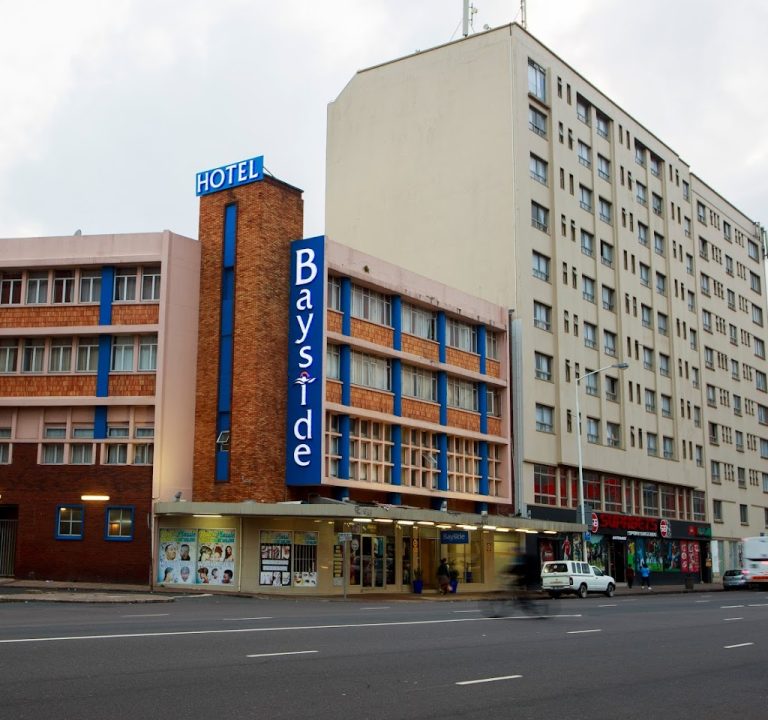
- Central Durban and the CBD — suits visitors who prioritise museums, markets, nightlife, and convenient transport connections.
- Morningside and Windermere — popular for leafy streets, easy access to shops and cafes, and a quieter lodging environment.
- Umhlanga and uMhlanga Rocks (a short drive north) — a modern resort area with upscale stays, promenades, and dining options by the sea.
- Durban North and nearby coastal villages — offer a more relaxed pace with guesthouses and intimate lodges.
When you book, pay attention to typical amenities that can make a big difference to your experience. Essential features include secure parking if you are travelling by car, reliable Wi-Fi, and a well-equipped kitchen or tea-and-coffee facilities if you prefer to self-cater. A comfortable bed and clean en-suite bathrooms are important for a good night’s rest after day trips or long walks along the coastline. Many Durban properties offer outdoor spaces, whether it’s a balcony with harbour or sea views, a shared garden, or a rooftop terrace—a nice bonus for taking in the ocean breeze.
Transport in Durban is relatively convenient, though planning helps. If you plan day trips to the surrounding coastline or inland attractions, a car provides flexibility. Public transport options, including ridesharing services and limited bus routes, can cover shorter hops within the city. Some properties offer airport transfers or shuttle services; it is worth checking this if you are arriving by air. For sustainability-minded travellers, consider staying in a property that promotes recycling and energy-saving practices, and plan a modest footprint for your activities to help protect Durban’s beaches and natural areas.
The best time to visit Durban depends on your weather preferences and the type of activities you have in mind. Summer (roughly October to April) brings warm to hot days, with higher humidity and the possibility of tropical showers. It’s a wonderful period for beach days and outdoor markets, but be prepared for busy resorts and higher accommodation demand. Winter (May to September) is mild and comfortable for exploring city culture, architectural heritage, and inland attractions without the intense heat. Shoulder seasons can offer a balanced experience with fewer crowds and pleasant, moderate temperatures. If you are planning a beach-focused itinerary, consider booking accommodations with easy direct access to the sea or promenade paths to maximise your time by the water.
Typical activities for visitors include coastal walks along the promenade, visits to museums and heritage sites, and enjoying the city’s diverse dining scene. Durban’s restaurant landscape ranges from casual eateries serving braai-style grills and seafood to more contemporary venues offering modern twists on regional flavours. It’s common to find options within walking distance of most mid-range stays, especially in the beachfront and urban districts. If you enjoy markets, be sure to explore local craft markets and food stalls which reflect the region’s vibrant culture, and consider making space in your itinerary for a relaxed meal in a venue with sea views or a garden setting.
Practical tips for planning a stay in Durban:
- Book in advance for peak seasons, especially in December and early January, to secure preferred locations near the coast or city centre.
- Read recent guest reviews to gauge current maintenance, cleanliness, and responsiveness of hosts or front-desk teams.
- Check for clear transfer options from the airport and reliable parking arrangements if you are driving.
- Consider a mix of lodging types if you want varied experiences; a couple of nights in a boutique guesthouse plus a beachfront apartment can provide a well-rounded stay.
- Bring sun protection and stay hydrated for outdoor days; Durban’s humidity can catch visitors by surprise if you’re not prepared.
For further inspiration on where to stay and what to see, you can explore regional tourism sites and general travel guides that cover Durban’s coastal pleasures, historic precincts, and the broader KwaZulu-Natal region. Websites offering curated itineraries and practical traveller information can help you tailor a trip that balances relaxation with exploration, all while keeping within realistic transport times and dining options. Whether you are drawn by sun-soaked beaches, cultural experiences, or simply a comfortable retreat after day trips, Durban provides a welcoming backdrop for a memorable South African break.