Durban, KwaZulu-Natal: Accommodation, Attractions and Practical Planning
Durban offers a dynamic mix of coastal charm and urban energy, with warm subtropical weather, sandy beaches and a growing scene of dining and cultural experiences. When planning a stay in this coastal city, consider the different neighbourhoods, access to transport, and the pace you want from your visit. A well-chosen base can make it easy to explore the Golden Mile promenades, leafy residential streets, and the inland pockets that reveal Durban’s multicultural flavours.
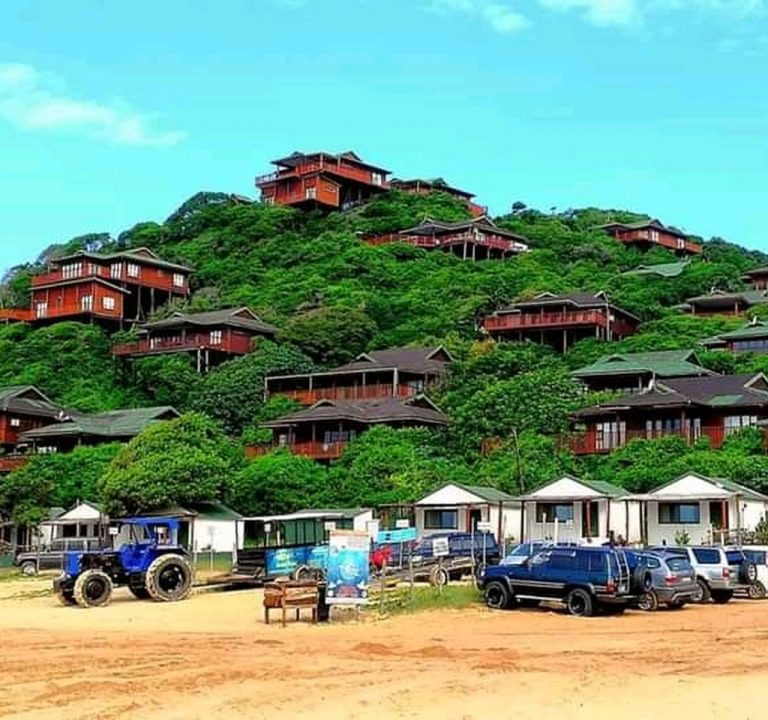
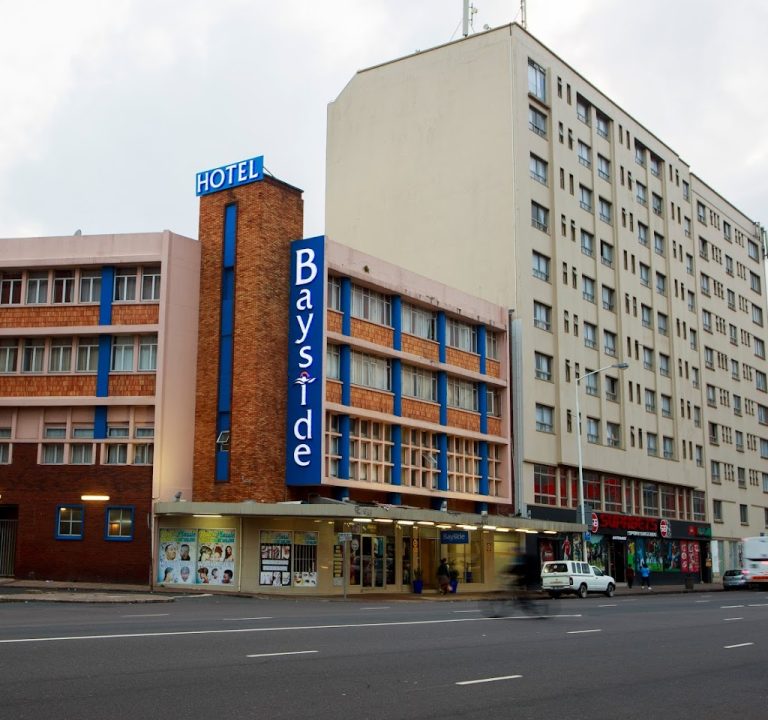
Areas to consider for accommodation include the beachfront precinct, where many hotels and guesthouses provide easy access to the sea, boardwalks and morning strolls along the shore. For a more tranquil escape, consider suburban suburbs that offer classic guesthouses or boutique hotels with pools and gardens, often within ten to twenty minutes’ drive of central Durban. If you’re seeking nightlife, markets and a vibrant food scene, a stay near the city centre or nearby neighbourhoods can provide convenient access to a range of restaurants and venues, with a short ride to the harbour and the urban parks that characterise the city.
Booking considerations include proximity to transport links, such as major roads, taxi routes, and public transit connections. Durban has a network of bus and rail services that can help you move around without relying on a car, though many visitors still prefer a vehicle for day trips along the coast or into the surrounding countryside. Check whether your accommodation offers parking, shuttle services, or easy access to rideshare options. Look for hostels, B&Bs and guesthouses that articulate what makes the area distinctive—whether it’s beachfront access, proximity to markets, or easy paths for short walks to cafés and bakeries.
Typical amenities to look for when choosing a base include free or affordable Wi‑Fi, air conditioning for the hot months, comfortable beds and quality linen, on-site dining or easy access to nearby eateries, and safe, well-lit entrances. If you plan to cook or prepare light meals, a kitchenette or self-catering option can be helpful. A dip in a pool, a spa treatment, or access to a fitness room are common features that can enhance a longer stay. For families, child-friendly spaces and secure play areas can be a priority; for couples or solo travellers, thoughtful extra touches such as quiet reading nooks, seating areas, and guided local recommendations often elevate the experience.
Transport tips include planning your daily routes in advance and allowing extra time for peak traffic, especially during morning and late afternoon. Durban’s coastline makes it straightforward to combine beach time with city visits. If you’re driving, check directions to your bedroom level or entrance from the street to avoid stairs late at night. For public transit, keep a small map or app handy that shows nearby bus stops or rail stations and the typical travel times to popular zones such as the harbour, markets, and major museums or parks.
Best time to visit Durban tends to reflect its subtropical climate. The city experiences warm summers with humidity and mild winters, making outdoor strolls, markets and beach days appealing most of the year. If you’re planning outdoor activities, spring and autumn offer comfortable temperatures for walking tours and nature excursions. Summer periods can be lively with festivals and events, though you may encounter higher humidity and busier beaches. Consider how seasonal variations might affect water activities, private tours, or dining reservations and plan accordingly.
Attractions and experiences tend to span nature, history, culture and gastronomy. Along the coast, you can expect promenades and beaches ideal for family days, jogs, and sunsets over the Indian Ocean. Within the inland districts, look for botanical gardens, museums and markets that celebrate the region’s diverse heritage. For a broader sense of the KwaZulu-Natal context, plan a day trip to surrounding natural reserves or scenic routes that showcase the province’s landscapes and wildlife. When it comes to dining, Durban’s restaurant scene reflects its multicultural influences, from eateries offering seafood on the coast to venues serving curry, braai and modern fusion menus. While I won’t cite specific dishes or prices, you’ll find a spectrum of options from casual cafés to refined dining rooms, many of which highlight locally sourced ingredients and seasonal menus. For a practical plan, prioritise a mix of experiences—one morning at a beach or harbour area, an afternoon cultural or shopping experience, and an evening meal in a neighbourhood known for its lively dining culture.
- Consider a multi-neighbourhood itinerary to minimise long hops between accommodation and activities.
- Choose accommodation with easy access to public transport or on-site parking if you plan to hire a car.
- Look for properties that offer flexible catering options and clear guest information on local eateries and routes.
- Check for quiet rooms or garden spaces if you prioritise a peaceful base after a day’s exploring.
- Plan a day trip or two to hinterland or coastal scenery to balance city sights with nature experiences.
For inspiration and practical planning, consider browsing official tourism resources and travel guides that highlight Durban’s enduring hospitality and the warmth of KwaZulu-Natal. With careful planning and a flexible approach, you can enjoy a comfortable stay and a broad range of experiences that reflect Durban’s coastal charm and cosmopolitan energy. Useful starter information and planning tips are available on official tourism sites and city pages that guide visitors to reputable accommodation and authentic local experiences: for example, city and regional tourism portals offer listings, neighbourhood guides and seasonal suggestions to help tailor your stay.